
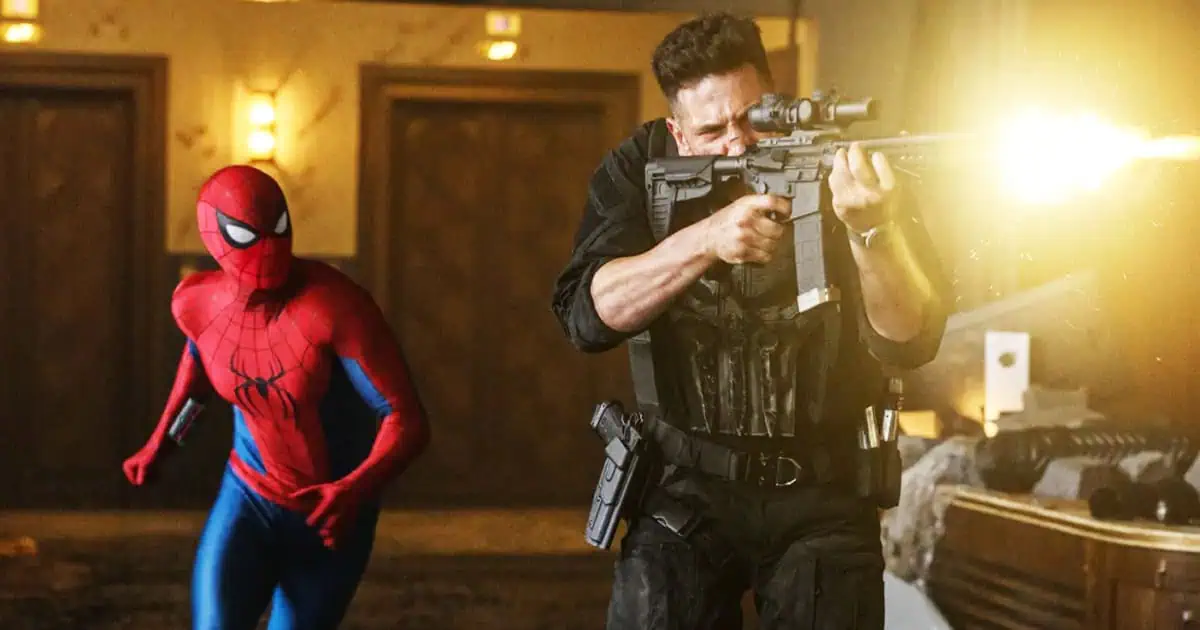
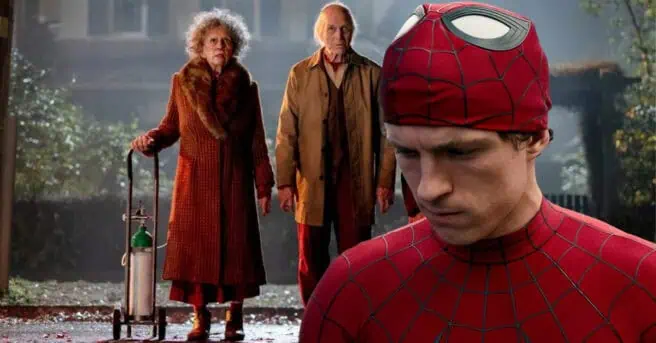
PLOT: Years after Dr. Strange cast a spell to make the world forget who Peter Parker (Tom Holland) is, including MJ (Zendaya) and Ned (Jacob Batalon), Spider-Man has become a more solitary hero. In the midst of dealing with a physiological change that increases the balance of arachnid DNA in his body, he must also tangle with a powerful new villain (Sadie Sink) who can control minds.
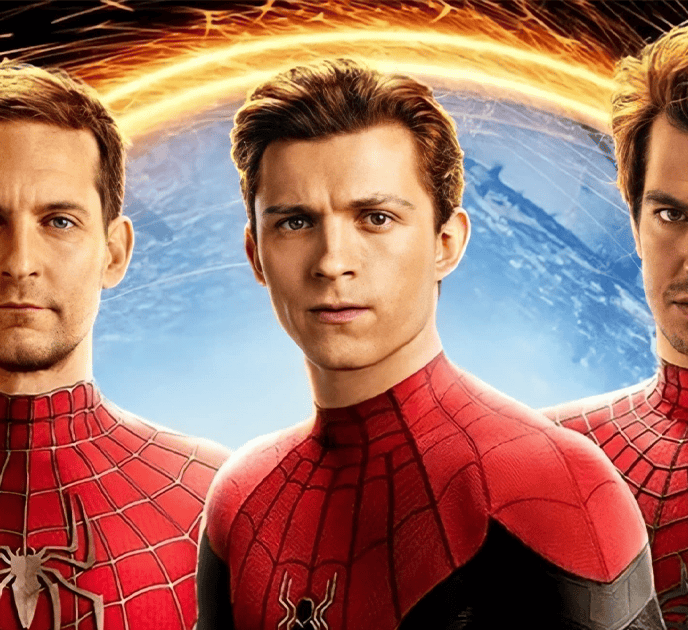
REVIEW: Where do you go after Spider-Man: No Way Home, not to mention the two incredible, animated Spider-Verse movies? It kinda feels like everything interesting that could be done with the character was already thrown out there, with it tough to compete with the spectacle of all three live-action Spider-Mans teaming up. Wisely, new director Destin Daniel Cretton doesn’t try to push the envelope even further in terms of spectacle, going somewhat lower-key in this fourth sequel. While it won’t blow people away like No Way Home did, it should still find a massive and appreciative audience, with it the most mature Spider-Man movie to date.
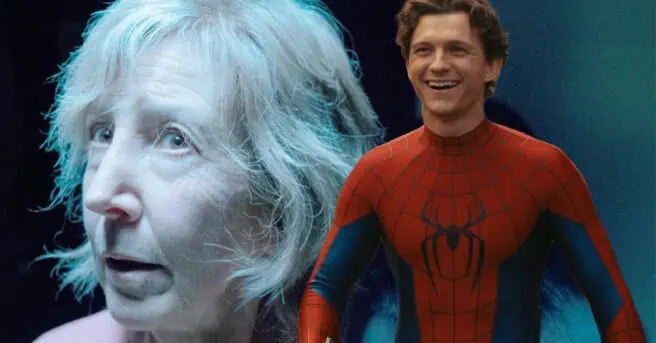
With the character no longer a teen, and cut off from his pals, Tom Holland’s webslinger is a bit less carefree than he was in other movies. He’s matured, and become a bit more of a tragic character, with the film heavily centered around the theme of loneliness—not only Spider-Man’s, but also the other characters’, specifically the villainess played by Sadie Sink (although I’m prevented from saying much about her), and—unsurprisingly—the movie’s other big superhero, The Punisher.
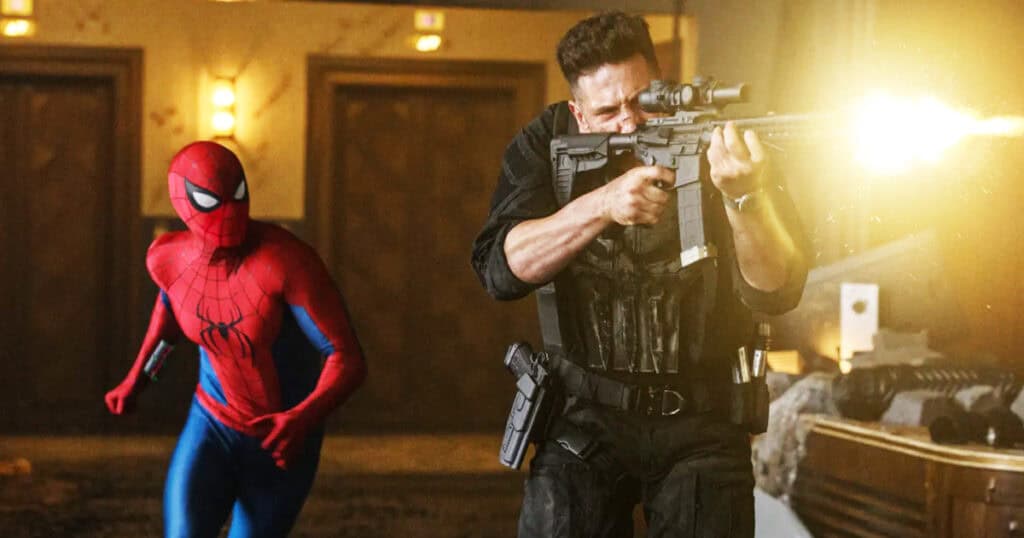
While the notion of teaming up the R-rated Punisher, once again played by Jon Bernthal, didn’t seem like a natural fit for the Spider-Verse, given Peter’s more isolated place in the world, their somewhat friendly rivalry is used to good effect—as they have their loneliness in common. They are kindred spirits, although Frank Castle’s darkness is admittedly toned down, with this perhaps the only version of The Punisher you’ll ever see that doesn’t really have much of a body count.
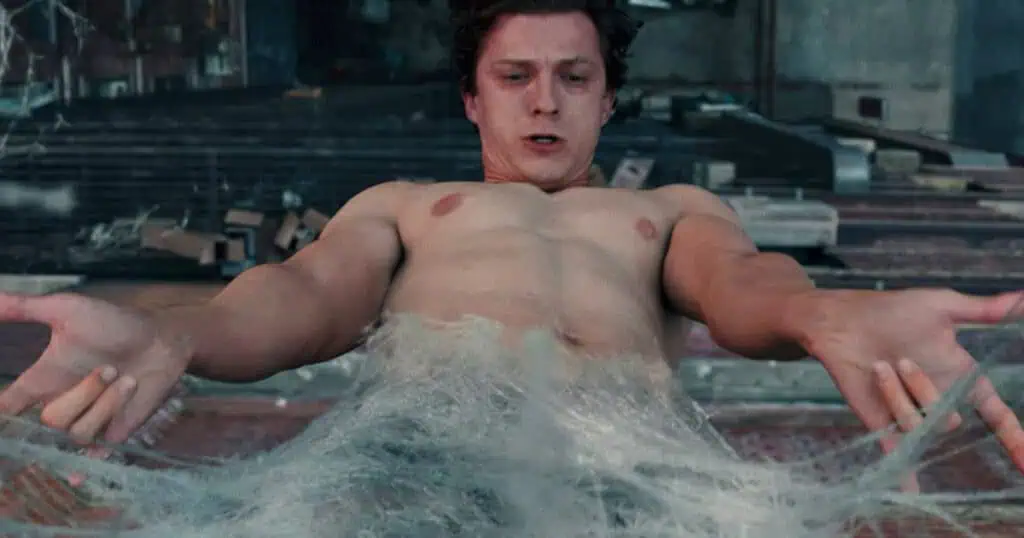
Holland and Bernthal have nice chemistry, with the latter’s sensitivity coming out in their scenes together. For his part, Holland is no longer the teenage whiz-kid he once was, as he’s matured into more of a young leading man, and he gets some pathos this time, mostly centered around his lack of human connection now that May is gone, and MJ and Ned no longer know him.
Both of those characters figure into the plot, with MJ worked in well enough to merit bringing an actress of the caliber Zendaya’s at back, although in terms of screen time she’s less central. Really the focus is on Spider-Man himself and his new, lonely place in the world, although don’t worry—there’s still a lot of action. The big set piece pits The Punisher and Spidey against Mark Ruffalo’s Hulk, who ends up on a full-on “Hulk Smash” rampage that generates lots of eye candy.
Visually, the film is really well shot by Cretton and Brett Pawlak, with it refreshingly bright and sunny, which is a nice alternative to the many ultra-dark tentpole movies I’ve seen lately (with Supergirl and the curiously desaturated Superman being prime offenders). Michael Giacchino is back to do the score, and there are easter eggs galore—but again I had to agree to avoid a laundry list of spoilers, so perhaps a follow-up will be needed in a few days to tackle some of the bigger ones and what they mean for the future of the MCU.
Whatever the case, I had a good time with Brand New Day. While it wasn’t the rollercoaster ride No Way Home was or as innovative as the animated Spider-Verse movies, I preferred it to the first two Holland-led Spider-Man movies. It’s surprisingly mature, with some strong characterization as the character evolves into a more adult-skewing hero.













The comment section exists to allow readers to discuss the article constructively and respectfully, focused on the topic at hand.
What’s Not Allowed