

While I’m not a dinosaur, I remember growing up in a time of VHS tapes, CDs, and eventually, DVDs and Blu-rays. These items still exist, but as time marches on, even something as widely available as Blu-rays is becoming something of a boutique item. They’re getting more expensive, but with that price comes something that streaming cannot offer: a sense of ownership. With streaming services able to yank titles off platforms seemingly at will, movie fans are becoming more protective of other ways to feel they’re getting the most out of the entertainment they love.
While gazing at the wall of physical media inside my home office, and knowing there are stacks of CD folders in my closet filled with movies that no longer have a case (I needed to recycle them to cut down on storage space), I started thinking about how movie fans retain a sense of connection with films they care about, and how streaming, while convenient, doesn’t feel as gratifying as when I interact with something tangible and everlasting. Whether it’s physical media, the act of making memories, or creating a sense of community, here are five things beyond streaming that bring movies to life in a time when digital media dominates the sacred space of cinema.
At a Glance
- Physical media: You actually own the movie.
- Boutique releases: Restorations and extras give movies added value.
- Collector’s editions: Physical movies can become collectibles.
- Premium cinemas: IMAX and 70mm offer an experience streaming can’t reproduce.
- Festivals and Q&As: Movies create communities and memories.
You Don’t Really Own What You Stream
Before I packed up my life and moved from New York to Canada, the living room of my rooftop apartment was filled to the brim with DVDs and Blu-rays. Throughout the years, I’d amassed thousands of discs, often purchasing multiple versions of my favorite movies. I have at least five copies of The Big Lebowski, including a Collector’s Edition in the shape of a bowling ball, and multiple versions of Fear and Loathing in Las Vegas. I had a lot more money to burn back then, and eventually, I needed to cull the herd before crossing the border. While I still mourn the loss of the cases I dismantled and recycled for certain titles, doing so let me free up space for other things in my collection.
The beauty of what’s left is that they’re mine. I can go to my shelf, or to my closet, grab the disc, and watch it to my heart’s content. No studio or corporation can take that away from me. I have multiple ways to watch what I own, with region-free DVD and Blu-ray players at the ready, and a TV dedicated to screening older formats. I even have a box of VHS tapes and a VCR next to my record player. Relax. I’m 45, not 100. Each DVD or Blu-ray feels like a trophy on my shelf, an archive of good times, questionable taste, and underappreciated gems. They’re movies I can touch, lend to friends, and sacrifice if things get tough and I need a little extra scratch. Anything I “own” on digital feels ephemeral, and that goes double for streaming.
Movies can disappear from streaming libraries when licensing agreements expire, while physical discs remain playable as long as you have the disc and compatible hardware.

Physical Releases Preserve Movies Streaming Doesn’t
Distributors that go the extra mile to preserve and present your favorite films like never before are another reason streaming can’t measure up to high-end suppliers like The Criterion Collection, Arrow Video, Scream Factory, Toy Robot Video, and Kino Lorber. When you purchase a physical edition from Criterion’s vast library, you’re not only getting the movie; you’re also getting premium packaging, a pristine restoration of the film itself, archival footage, printed essays, booklets, and more. Yes, each title is different, but when you purchase a film through one of these labels, you’re almost guaranteed more bang for your buck than a vanilla copy off the department store rack.
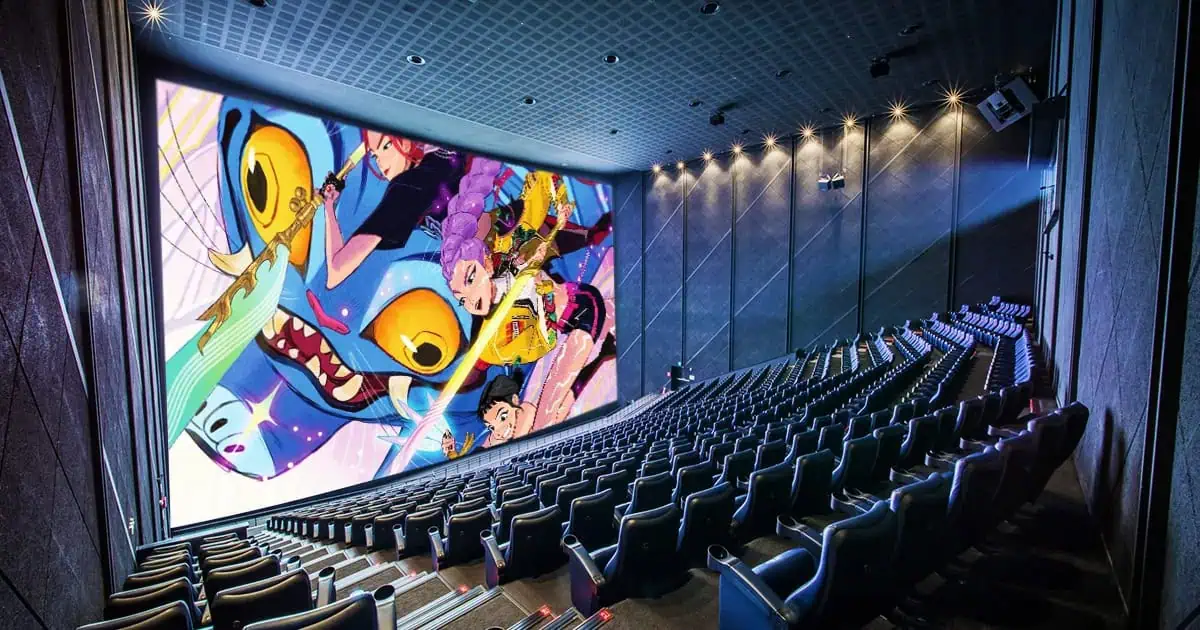
Boutique labels also inject more personality into the physical media purchasing experience. For example, the Criterion Edition of Netflix’s KPop Demon Hunters is shit hot, with box art that makes it feel like a crime to turn the movie on its side and slot it into a shelf. It’s the type of purchase you want to create a special spot for, make sure it’s facing out so when your friends walk past, they stop, and go, “Oh, wow!”
Boutique releases can also preserve alternate cuts, commentaries, interviews, documentaries, and other material that may never appear on a streaming service.
Collecting Movies Is an Experience Streaming Can’t Replicate
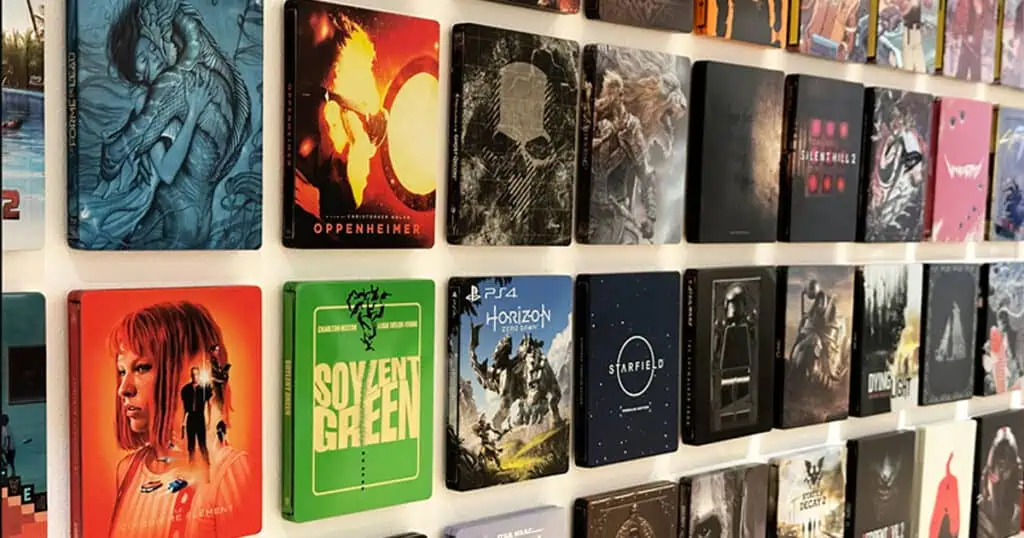
I’ve already talked about the value of DVDs, Blu-rays, and boutique releases, but if you want to kick things up a notch, let’s give a tip of the hat to Steelbooks and Collector’s Sets. For years, Steelbooks have been my kryptonite when it comes to fiscal responsibility. There’s nothing like discovering a slick, stylish, and smooth-surfaced version of your favorite films. I love the pop of opening a tightly sealed Steelbook, the sound of plastic and tinplate cracking at that first breach. There’s also the visual appeal of the cover art, an image produced by specialized industrial direct-to-metal printing processes. The right Steelbook can make any movie look like a five-star masterpiece, and when the sun hits the casing just right, those titles sing. Yes, that’s an Emperor’s New Groove reference. You’re welcome.
I don’t own as many Collector’s Sets, but I salute anyone with the patience to display them without it looking like a mosh pit of awkward packaging. The rub with Collector’s Sets is that many of them don’t fit on a shelf. Or, if they do, they destroy the feng shui of your otherwise uniform arrangement. I prefer sets that are like other Blu-ray releases, but wider. The kind that still fit next to other films without too much hassle. Once you start throwing long bois my way, like the James Bond Collection, or the Batman Beyond collection, I tend to get strung out. Still, it’s better than streaming, no matter how you slice it.
Nothing at Home Can Match a Great Theater Presentation
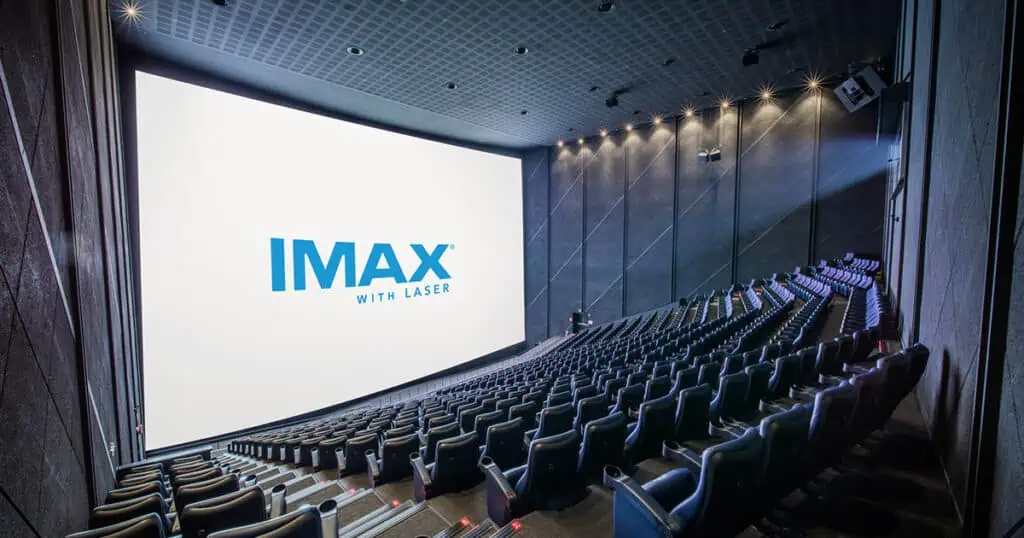
Going to the theater is fine and dandy. Still, when you get the opportunity to attend a premium format theater, that’s the good stuff. In 2024, I went to a real-deal IMAX in Toronto for a screening of Robert Eggers’ Nosferatu, and the experience was unreal. Think what you will about the movie, but the presentation was immaculate. In addition to the pristine picture, the sound design made my bones rattle. Those moments in the movie when you could hear Count Orlock breathing, it sounded like he was directly behind me, his sour breath curdling in my ears. It was unnerving and thrilling by the same measure.
If I had my druthers, I’d get in my car and go back to that same theater for the 70mm presentation of Christopher Nolan’s The Odyssey. However, I work seven days a week, and that is 2 1/2 hours away, plus whatever the traffic gods choose to throw my way. We have a local IMAX, but it’s awful. After seeing Thunderbolts* there, I vowed never to go back. While streaming is a quick means to a cinematic end, the premium theatergoing experience is difficult to top.
Movies Are Better When They’re Shared
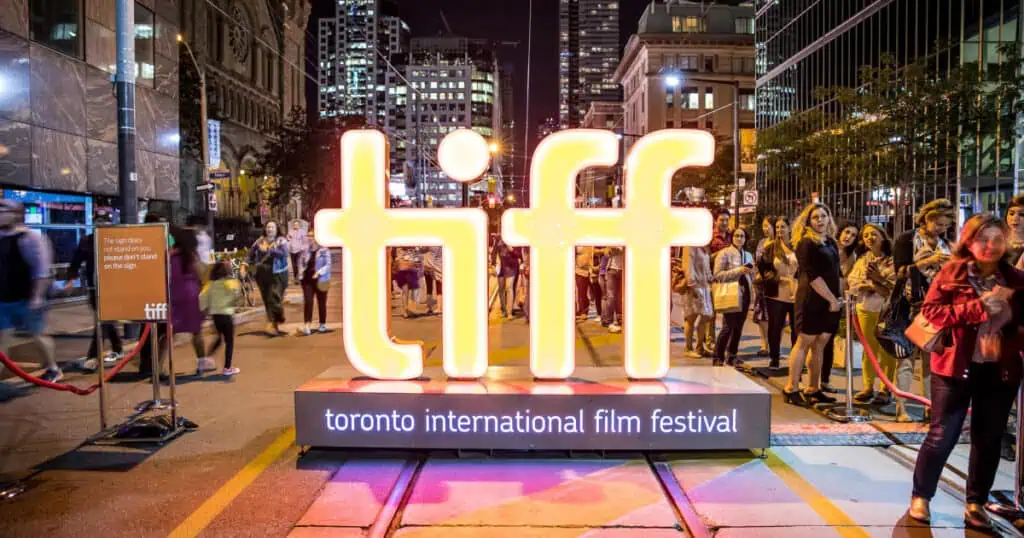
Finally, let’s focus on the film festival experience. Yes, they’re exhausting, but nothing gives you a sense of community like attending a celebration aimed directly at cinephiles. More often than not, film festival organizers go all out to show critics and guests a good time. These events are often held in some of the most beautiful parts of the world, and if there’s a Q&A on the schedule, that’s even better. Not only do you get to experience the film, but you often hear directly from the people who made it. Q&As are where you’ll hear some of the most exciting behind-the-scenes stories, directly from the filmmakers and cast. While my film festival experience is limited compared to my peers, I’ve been lucky enough to catch a screening at TIFF and have attended plenty of Q&As while I lived in New York. As much as my festival days are behind me, the memories they help create leave a more lasting impression than simply streaming a film in my living room.
Streaming is convenient, and I’m certainly not suggesting we give up our subscriptions. But convenience isn’t the same thing as ownership, presentation, or experience. A streaming service can give you access to thousands of movies, but it can’t put your favorite film on your shelf, reproduce the magic of a packed theater, or give you the experience of hearing a filmmaker talk about the movie you just watched. That’s why, no matter how dominant streaming becomes, physical media and real cinema still have something it can’t replace: the feeling that movies are more than content.























The comment section exists to allow readers to discuss the article constructively and respectfully, focused on the topic at hand.
What’s Not Allowed