


It’s pretty hard for a film to truly scare me nowadays. Most of what passes for horror leans on the old “loud noise = scare” formula, and it doesn’t cut very deep. With the exception of Hereditary and maybe The Witch, there hasn’t been a film to dig deep enough to get under my skin since The Blair Witch Project. I’m always chasing that feeling again…
It wasn’t always like this.
There were plenty of sleepless nights back in the day, nights spent staring into the dark, wondering why my dad and brother thought it was a good idea to drag me to movies that would emotionally destroy me. We laugh about it now… but if I ever snap and unleash some deeply buried evil from my scarred imagination, you’ll know exactly who to blame.
Editorial Note
This list reflects real childhood horror experiences shared by the JoBlo team, based on theatrical viewings and early home video exposure from the late 1970s through the early 2000s. While the perspective is personal, the impact of these scenes is widely recognized among horror fans.
How These Moments Were Selected
These scenes were chosen based on:
- First-time childhood exposure impact
- Long-term psychological effect
- Cultural recognition within horror cinema
- Effectiveness without reliance on modern jump-scare techniques
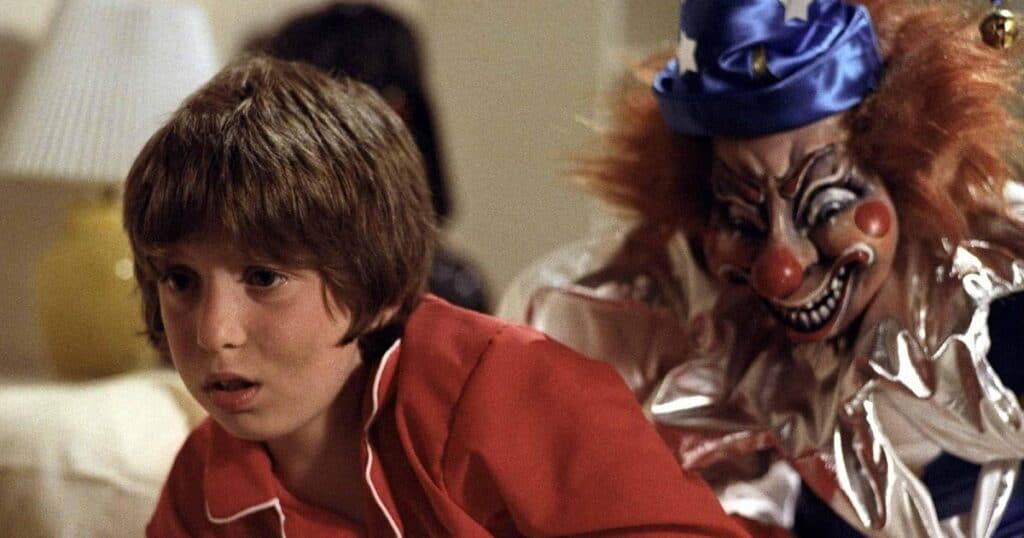
10. The Clown – Poltergeist (1982)
Type of Fear: Childhood insecurity / supernatural
Scare Style: Slow build to sudden attack
A supernatural horror classic produced by Steven Spielberg, Poltergeist lures you in with wonder before wrecking your sense of safety.
A new movie from the guy that did Raiders of the Lost Ark and E.T.? You bet I want to see it, Dad!
Big mistake.
What happened next will stay with those of us who saw it forever. The moment Robbie (Oliver Robins) looks back at that chair and the clown is gone, I’m not afraid to admit I peed a little. Everything went blank. “Where is that clown? Don’t look under the bed, idiot. It’s behind you!” As the credits rolled and I finally had time to wipe the tears off my face, I remember seeing a kid sitting in front that was younger than me. I’m pretty sure he had swallowed his tongue and his ears were bleeding and all I could think was, “What a pussy.”
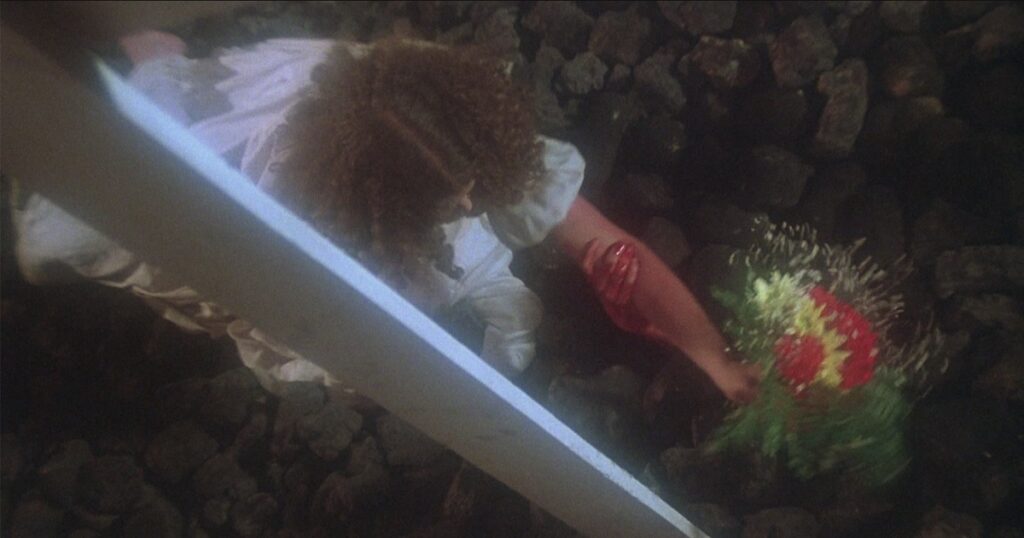
9. Grave Grab – Carrie (1976)
Type of Fear: Shock / false safety
Scare Style: Final jump scare
Directed by Brian De Palma, Carrie is a psychological horror film that builds tension before delivering one of the most infamous final scares ever filmed.
This has to be the closest I’ve come to dying. When that hand pops out of the grave, I swear my heart stopped for a couple of days. I was probably around five when I watched this on TV because I remember telling kids in my kindergarten class about it the next day. I wonder what my show and tell presentations were like back then.
“…. and this is my bucket of pig blood.”
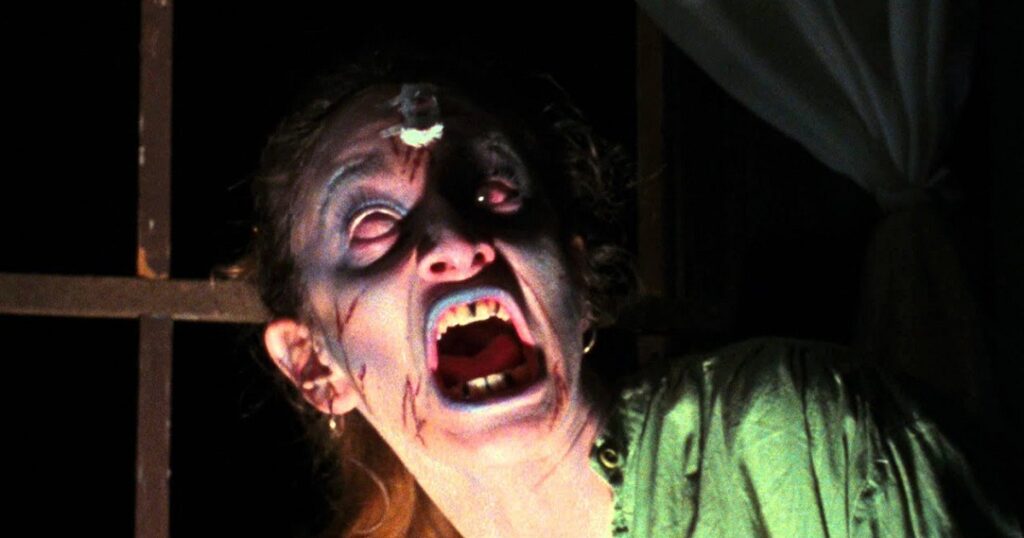
8. Card Play – The Evil Dead (1981)
Type of Fear: Chaos horror / possession
Scare Style: Escalating insanity
Sam Raimi’s The Evil Dead is relentless, blending supernatural horror with pure chaos.
My tiny brain felt like it was on fire as I watched a woman who just got attacked by a tree start to float around the living room and issue random death threats. And then the pencil to the ankle. Mother of God, how do you bring a seven year old in a theatre to see something like this? I can’t believe my other personalities haven’t made an appearance here yet.
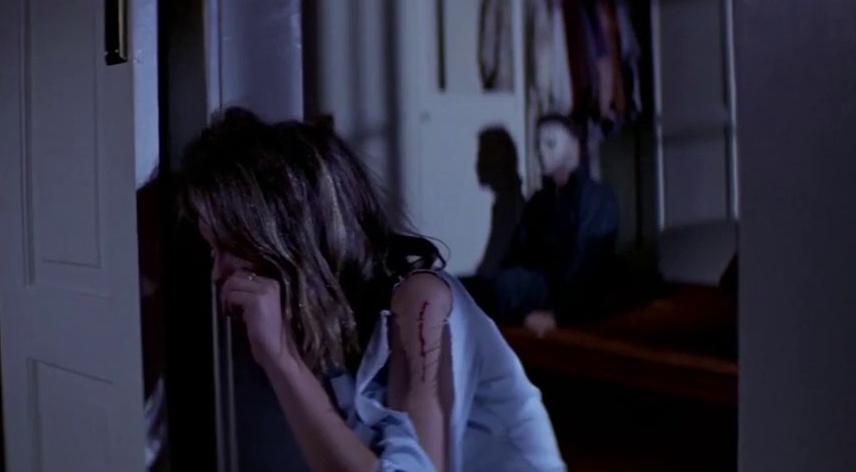
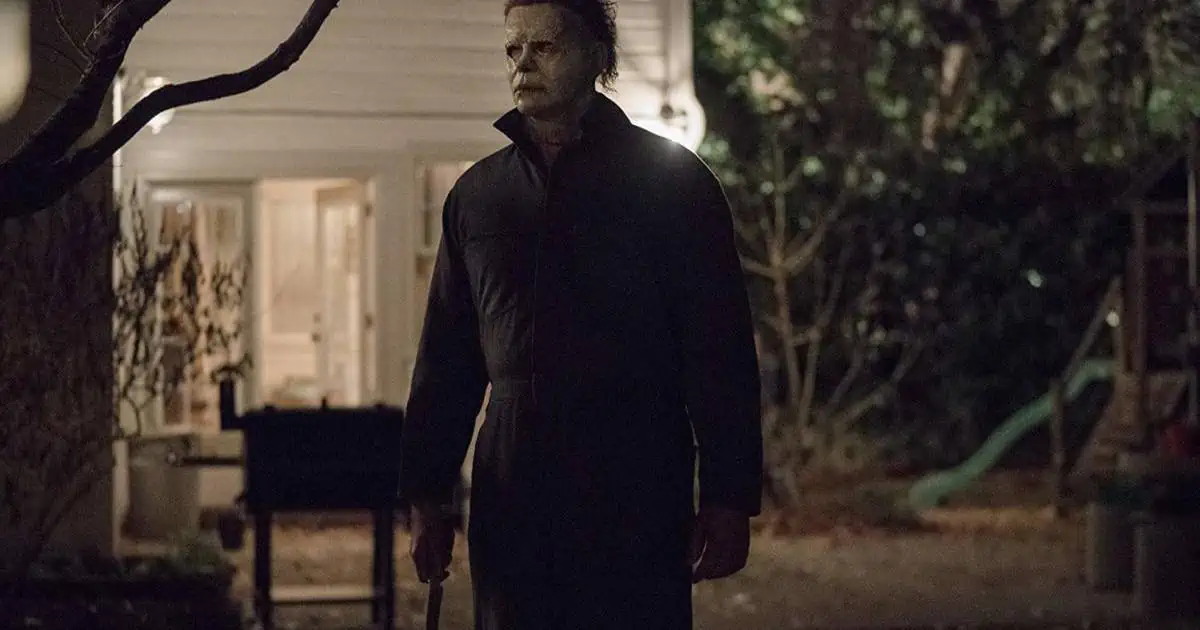
7. He Ain’t Dead – Halloween (1978)
Type of Fear: Stalker / unstoppable force
Scare Style: Subtle visual reveal
John Carpenter’s Halloween defined the slasher genre with its minimalist approach to terror.
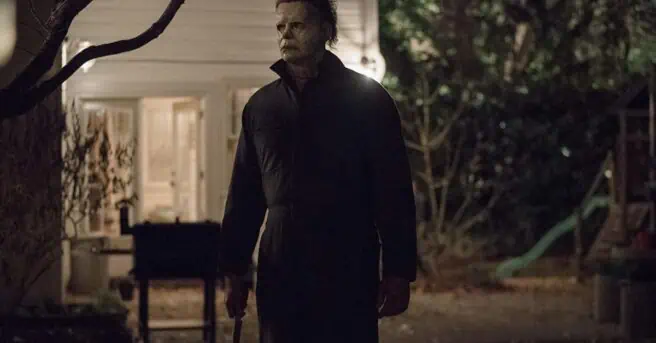
I’m pretty sure the first time I saw this was on TV, so some of the scares were sure to be toned down. It didn’t matter for this moment, though. The single creepiest movement of all time boxed within a perfect angle and it takes place just around the time you thought it was safe to breathe again. Michael Myers is the greatest villain of all time, and this is the moment he got my vote.
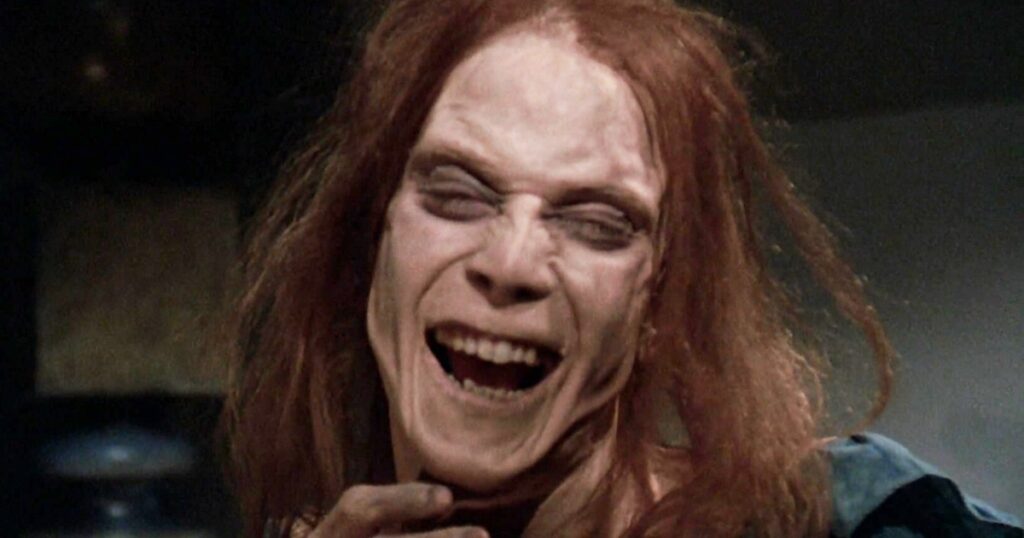
6. Zelda – Pet Sematary (1989)
Type of Fear: Physical deformity / psychological trauma
Scare Style: Lingering dread
Based on Stephen King’s novel, the Mary Lambert film Pet Sematary taps into grief and fear of death, but Zelda is something else entirely.
Compared to all the other films on this list, being fifteen years old for this one seems old enough to deal. That’s what I thought, too. Until Zelda came creeping into my life. Couple her with Gage, the cutest undead child in the history of film, and I had a few issues to deal with years after. Hearing Zelda call for Rachel every night as I lay in bed was (is) just one of them.
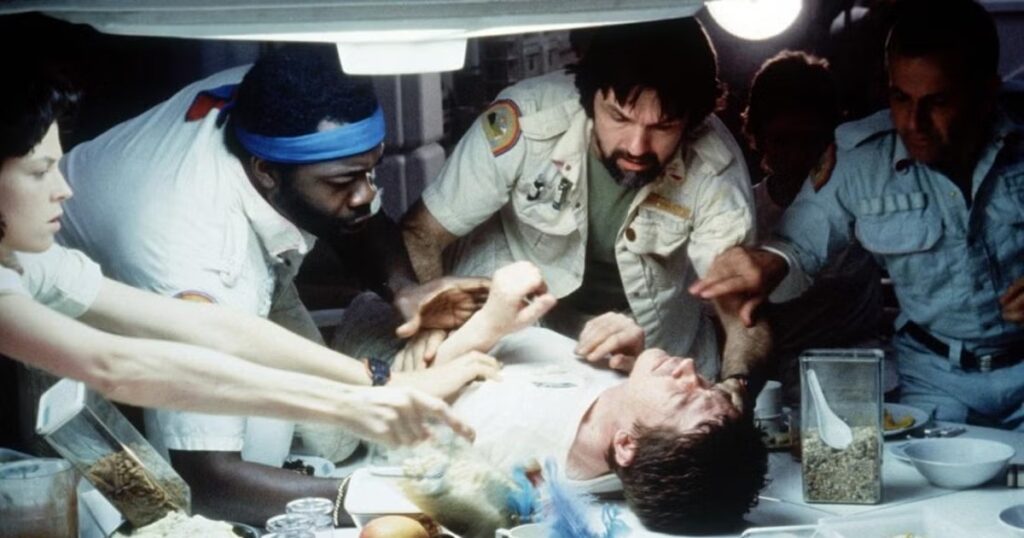
5. Chest Pains – Alien (1979)
Type of Fear: Body horror
Scare Style: Sudden eruption
Ridley Scott’s Alien blends science fiction with horror, creating one of the most shocking scenes in cinema history.
You did not want to be at our dinner table the night after I saw this. Too young to understand that the alien was implanted, I thought it was something he ate. The very same thing my mom was serving that next night. Convinced there was an alien egg hidden somewhere on my plate, I studied each bite like it might be my last. The slightest hint of heartburn and it was over for me. By the time dessert came, I was so nervous, I think I asked my mom to kill me.
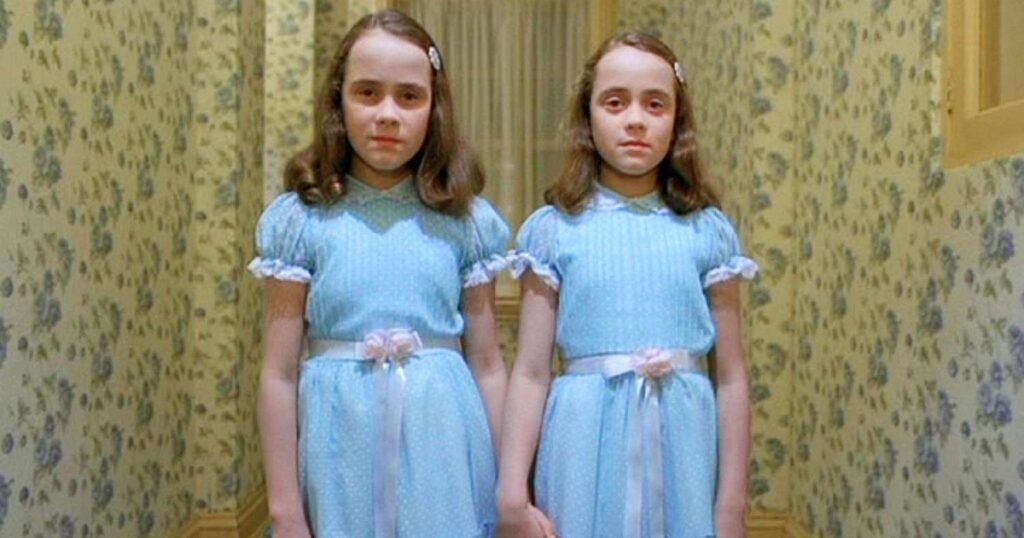
4. Living Dead Girls – The Shining (1980)
Type of Fear: Psychological / uncanny imagery
Scare Style: Visual imprint
Stanley Kubrick’s take on Stephen King’s The Shining thrives on atmosphere and deeply unsettling imagery.
I had enough problems with creepy little girls in ’80 stealing my lunch money and beating my ass at recess. What I didn’t need was these girls and their none-too-subtle images of axe-death. To cap it off, Danny (Danny Lloyd) forgets about rocking his Big Wheel and starts having a conversation with his finger. How did I make it through all this before puberty?
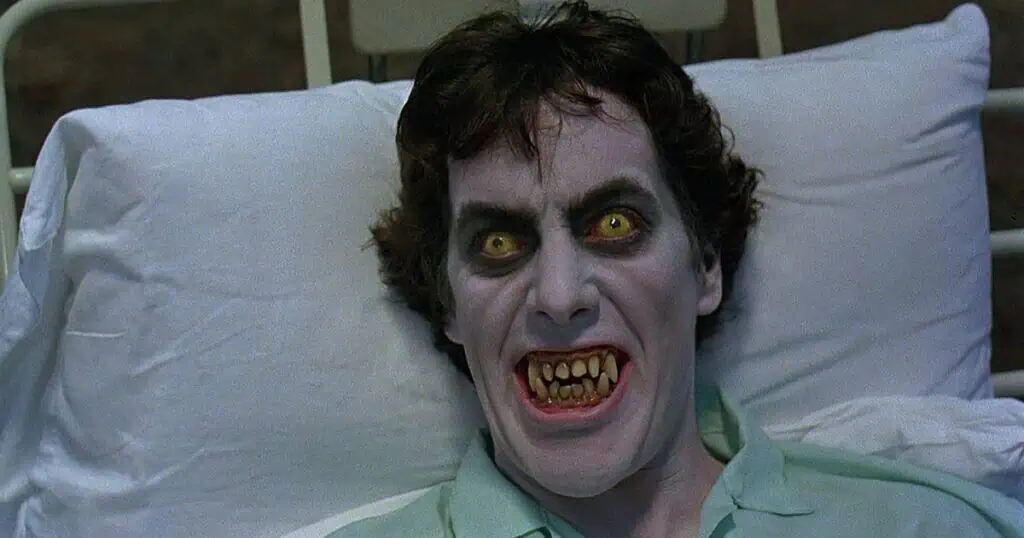
3. Dream On – An American Werewolf in London (1981)
Type of Fear: Dream invasion / transformation
Scare Style: False security to shock
John Landis’ horror-comedy is famous for its transformation scene, but the dream sequences hit even harder.
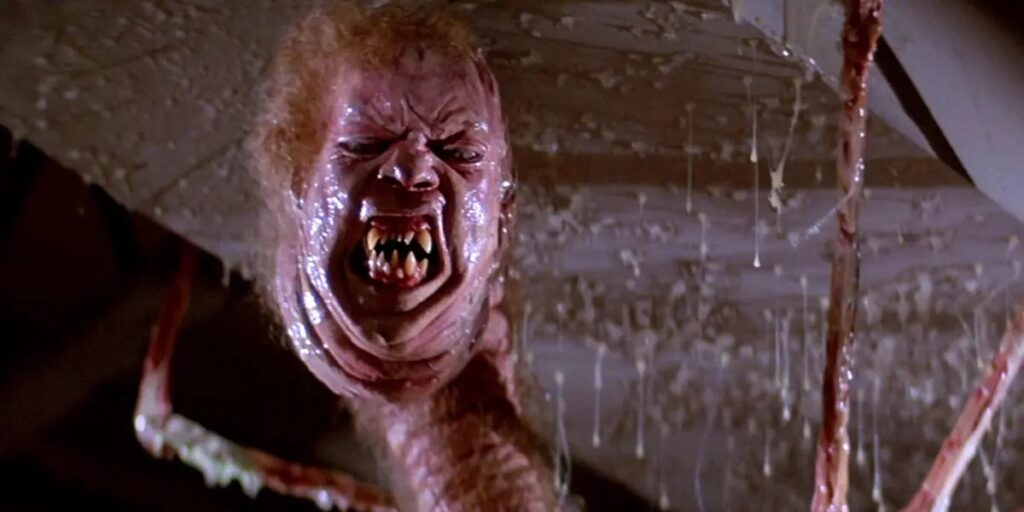
I remember sitting in the theatre watching this like it was yesterday. The part that did the most damage was not the famous “monster death squad” scene, but another dream sequence. As David (David Naughton) runs through the forest and stumbles upon himself in a hospital bed, I had a very bad feeling about this so, I covered my ears and closed my eyes so I might miss the impending doom. My dad, however, noticed my arms over my head and slapped them down. Worried about the people behind me, he told me to quit screwing around and watch the movie. So I did, and just as I looked back at the screen with teary eyes, the image above is what I saw…
2. Norris – The Thing (1982)
Type of Fear: Body horror / paranoia
Scare Style: Sudden grotesque transformation
John Carpenter’s The Thing is a masterclass in paranoia and practical effects.
How great is that scene where an attempt to help a heart attack victim with a defibrillator turns into a monster spectacle? Now imagine that you’re eight-years-old and have to try and sleep at night in a bedroom where every shadow looks exactly like giant spiders with human heads. Are you starting to get the point here? I wonder if I’ve ever killed a babysitter or something.

1. A Bigger Boat – Jaws (1975)
Type of Fear: Fear of the unknown / lurking danger
Scare Style: Delayed reveal
Steven Spielberg’s Jaws redefined blockbuster filmmaking and permanently altered how audiences viewed the water.
I don’t remember exactly how old I was when I actually saw this movie, but it was young enough to instill a fear of waterbeds. Seriously. It’s almost cruel how Spielberg hides the shark for the majority of the film and then slaps you in the face with him when you least expect it. I can honestly say I’ve never thrown bloody fish entrails off the side of a boat because of this scene. And God knows I’ve wanted to.

Honourable Mention: Floaty Kid – Salem’s Lot (1979)
Type of Fear: Supernatural / home invasion
Scare Style: Quiet dread
Even as a TV movie, Tobe Hooper’s adaptation of Stephen King’s Salem’s Lot delivered nightmare fuel that stuck for decades.
I usually don’t include TV movies in these articles, but this was just too unforgettable to leave off. Here’s my question though, where was my mom? If this was on TV, and I was five years old, where was my mom? It’s not like they rolled this thing out on a Saturday morning between G.I. Joe and Thundercats; this was some hardcore horror back in the day. To this day, if I ever heard someone scratching at my window at night, I’d shit my bed and force myself into a coma.
Why These Scenes Still Matter
These moments didn’t just scare audiences, they helped define how horror works. They rely on:
- Atmosphere over noise
- Unpredictability over formula
- Psychological impact over cheap thrills
And most importantly, they all share one trait: They make the familiar feel dangerous.
Frequently Asked Questions
What are the scariest movie moments for kids?
The scariest moments are the ones that invade familiar spaces and strike without warning. Scenes from Poltergeist and Alien are effective because they turn normal environments into threats.
Why do movies feel scarier as a child?
Children are more likely to see what’s happening on screen as possible. Without familiarity with horror tropes, everything feels real and unpredictable.
What makes a horror scene stick long-term?
Scenes that introduce new fears, disrupt safety, and use strong visual imagery tend to stay with viewers for years.
Are older horror movies scarier than modern ones?
Older films often rely on suspense and atmosphere rather than jump scares, which can create longer-lasting fear.
Why do certain scenes traumatize kids?
Because they combine shock, realism, and emotional vulnerability at a time when viewers aren’t prepared to process them.
Do childhood horror experiences affect you later in life?
Yes. They can shape long-term fears, increase tolerance for horror, and influence what types of scares remain effective.
Updated for 2026
This list has been revisited years after it was first written, but these childhood nightmares still hold up and probably always will.
Originally written by Jim Law and revised by Cody Hamman








The comment section exists to allow readers to discuss the article constructively and respectfully, focused on the topic at hand.
What’s Not Allowed