
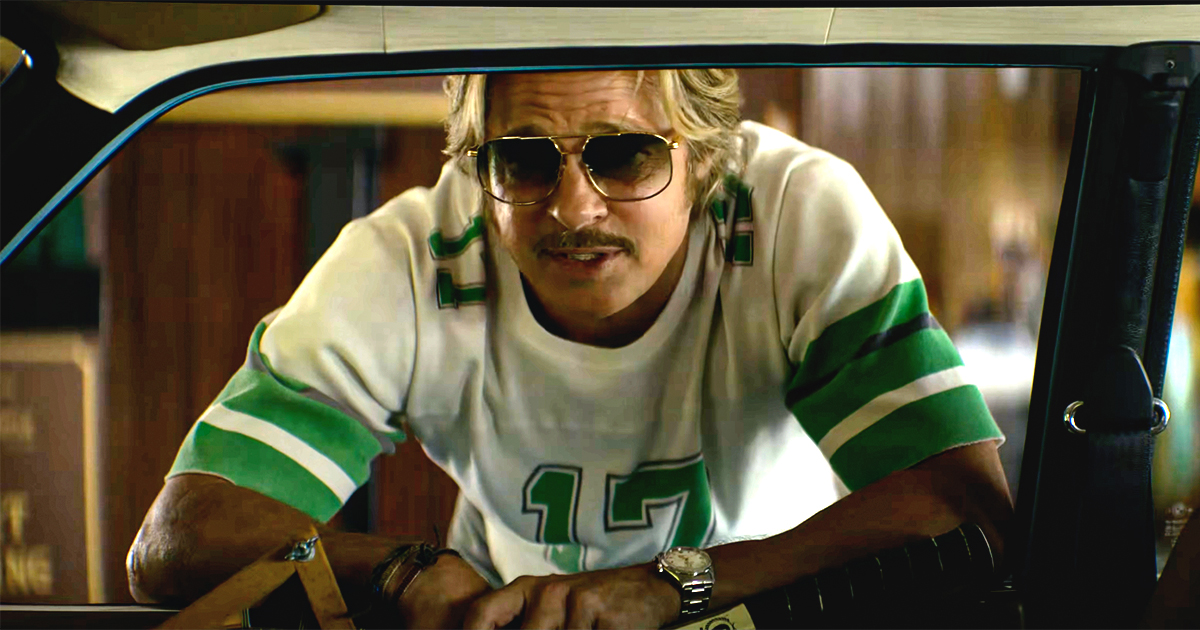

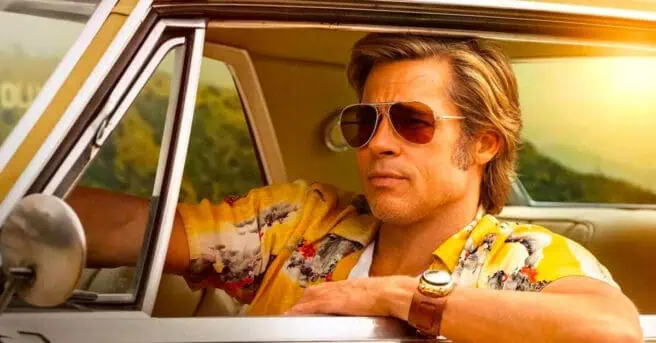
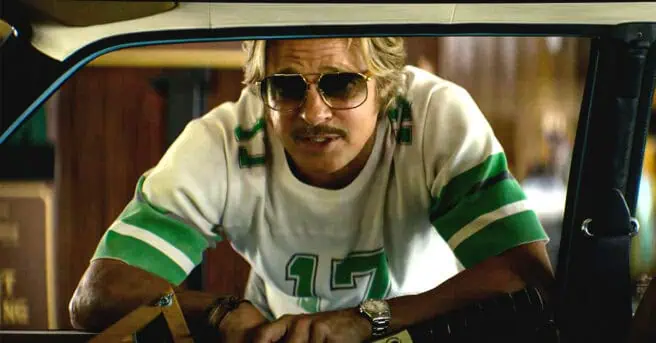
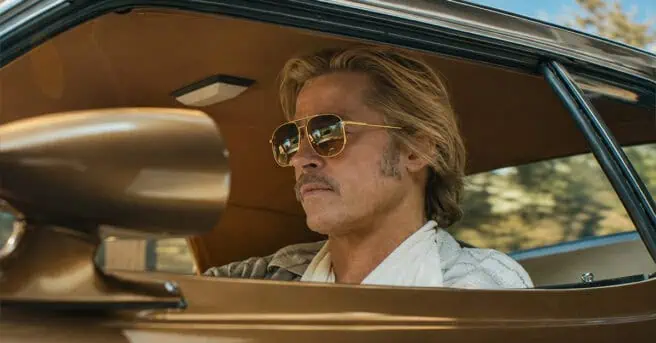
When I watched The Further Mis-Adventures of Cliff Booth last week, I walked out of the theater positively elated. Quentin Tarantino and David Fincher’s follow-up to Once Upon a Time in Hollywood was everything I’d hoped it would be. It was a fun, ’70s-style hang with Brad Pitt’s Cliff Booth, arguably the coolest character Tarantino has ever written. It had everything I’d want from a QT joint, plus the hard-hitting precision of a David Fincher movie.
I figured people would be excited to see it. It hits theaters today and starts streaming on Netflix December 23. Instead, the movie is already getting review-bombed on Letterboxd, where half-star reviews include “The AI use is revolting” and “Zodiac took 2 years to make and this took 2 prompts.” The Rotten Tomatoes audience score has yet to go up.
Where the AI shows up in Cliff Booth
Fincher has been upfront about using AI, which some fans are treating like a mortal sin. I can do without AI in movies, but I’d much rather hear a director explain exactly how he used it. Having seen the film, the only place the AI stood out to me was in clips from the fictional period TV shows that Scott Caan’s character, Charlie Peters, once starred in.
It reminded me of Tarantino using conventional CGI to put Leonardo DiCaprio’s Rick Dalton in The Great Escape. The effects in Cliff Booth are rougher, and I suspect Tarantino would have been fussier about how those shots looked. But the clips did their job. I bought them as glimpses of an actor’s old TV work, and they didn’t take me out of the movie.
Fincher also told Sean Fennessey on The Big Picture that AI let him adjust the actors’ lip movements to match replacement dialogue. That gave him more freedom to use the picture from one take and the audio from another. As he put it, “We’re not chiseling this out of marble. We’re working with plasticine.”
The backlash has gone too far
Big-budget, R-rated movies aimed at adults are already a tough sell. If using AI for a handful of shots helped Fincher stretch the budget on a movie like this, I can live with that. I understand why people worry about where it could lead. I also think it matters what the tool was actually used for, and how much of the movie it affected.
I don’t remember this level of outrage over Ben Affleck’s Animals, where the AI work was far more obvious to my eye. Affleck’s company, InterPositive, also worked on Cliff Booth. Here, a few wonky shots were a minor blemish on a movie I had a great time watching. A half-star rating over those shots feels wildly out of proportion.
Am I wrong? Would Fincher’s use of AI change how you feel about the movie? Let me know in the comments.













The comment section exists to allow readers to discuss the article constructively and respectfully, focused on the topic at hand.
What’s Not Allowed