
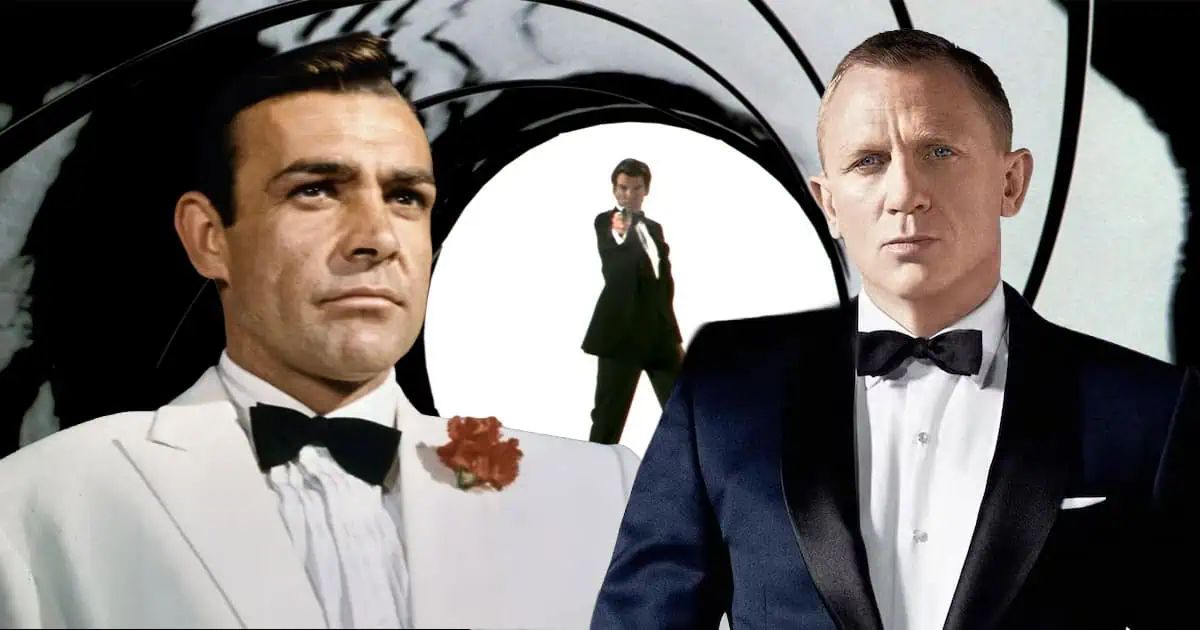

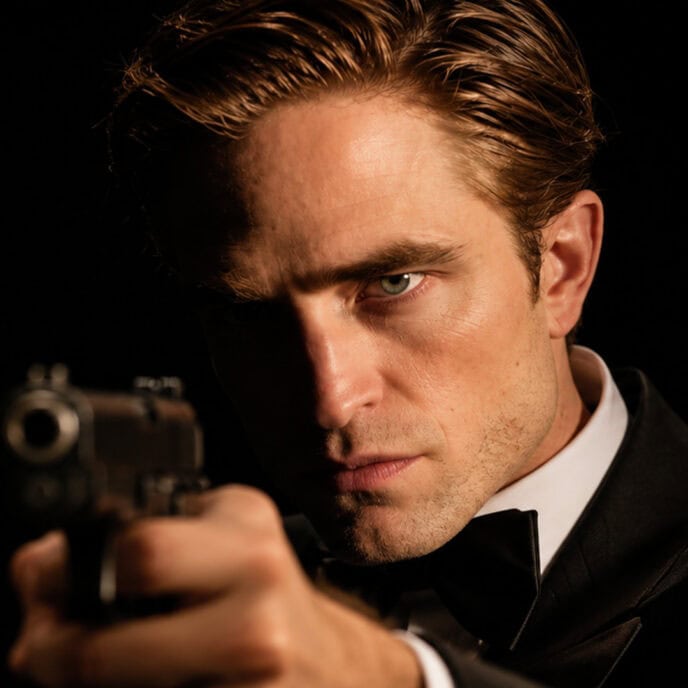
These are exciting times for James Bond fans, with us finally getting a new 007 in the guise of Robert Pattinson. Denis Villeneuve’s addition to the franchise — the first under Amazon MGM’s leadership rather than the Broccoli family’s EON Productions — is due in 2028. It’s the beginning of a new era for the superspy, with the Pattinson film being the 26th official Bond movie, although it’s actually the 27th if you include 1983’s Never Say Never Again (which I do), which was produced by a rival studio thanks to a legal loophole.
So, how do all the movies in the franchise stack up against each other? Let’s rank all 26 James Bond movies from worst to best.
26. Die Another Day (2002)
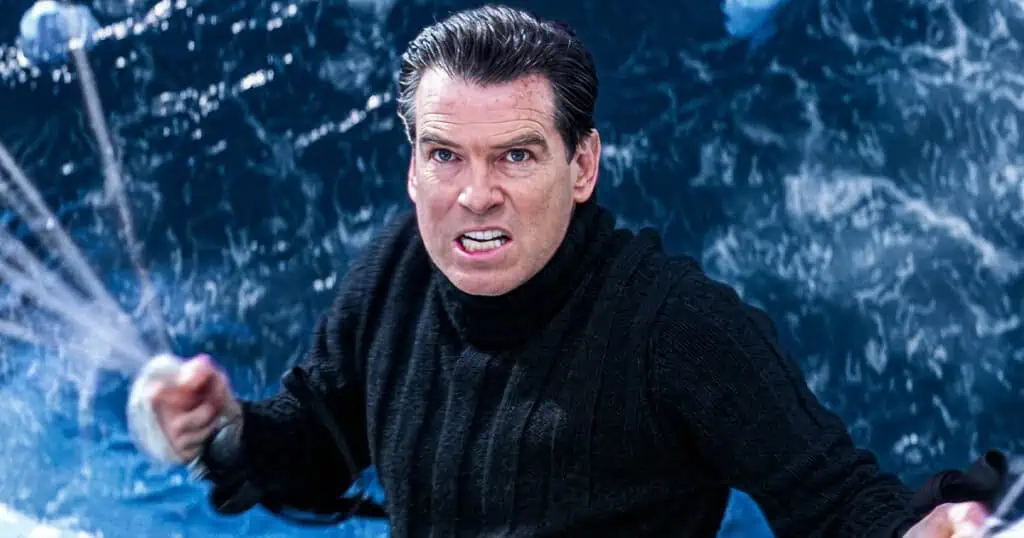
As far as the James Bond franchise goes, Die Another Day arguably marks its nadir. While the franchise has always been larger than life, where it sometimes went very wrong was when it got fantastical, usually because the producers were trying to compete with other popular action movies of the moment. In Die Another Day, they were trying to compete with trendy movies like The Matrix, The Fast and the Furious, Charlie’s Angels, and others very much of their time. As such, Die Another Day is horribly dated, with shockingly bad CGI (the windsurfing scene is notorious) and a silly plot. Even so, it was a smash hit, but EON knew they had made a bad film, which led to their decision to reboot the franchise. Yet, even the worst James Bond movies have their redeeming qualities, with Halle Berry and Rosamund Pike making for good Bond girls, and a mid-movie sword fight being an action highlight. Otherwise, this is as bad as it gets.
25. The Man with the Golden Gun (1974)

I know this Roger Moore 007 movie has its fans, mostly due to the nifty final cat-and-mouse hunt between Bond and the movie’s solid villain, Scaramanga (Christopher Lee), but otherwise, this is a bore. Like Die Another Day, it tried to get trendy by including some Bruce Lee-style kung fu (hand-to-hand action was never Moore’s strong suit), and they also tried to reinvent Moore as a Sean Connery-like he-man, which backfired badly (even in the commentary track, Moore dismisses the film and hates the scenes where he roughs up women). They wanted to crank this one out quickly after Live and Let Die was a hit, but it performed so poorly at the box office that producer Albert R. Broccoli knew they needed a big change before the next one.
24. Diamonds Are Forever (1971)

Roger Moore often takes a lot of flak for how goofy many of his James Bond movies are, with folks comparing him to the harder-edged Sean Connery. But, given the wrong material, Connery’s Bond could be just as goofy. Case in point: Diamonds Are Forever. Playing very much like a weaker Roger Moore film, you have 007 fighting campy villains, hanging out in Vegas like he’s in the Rat Pack, and throwing off terrible one-liners that still kinda work because, well, he’s still Sean Connery. Still, outside of the great score by John Barry, there’s not much to recommend about this one, especially given how it follows one of the all-time great 007 yarns, On Her Majesty’s Secret Service.
23. Quantum of Solace (2008)

While far from the worst Bond film, I’d wager Quantum of Solace is the most disappointing. The first direct sequel in the franchise’s history, it picked up right where Casino Royale left off, only minus all the style and craftsmanship that made that movie one of the best outings ever. The action scenes, which are all copying the Bourne series, are an indecipherable mess, with director Marc Forster seemingly having no real concept of how to shoot a movie like this. It’s also so short that it removes all the glamour and sophistication of the series to turn it into a very run-of-the-mill action flick. Granted, they had major script problems, as it was shot in the middle of a WGA strike, but it wastes one of Daniel Craig’s most physically committed performances of the series and was a huge letdown for fans.
22. Moonraker (1979)
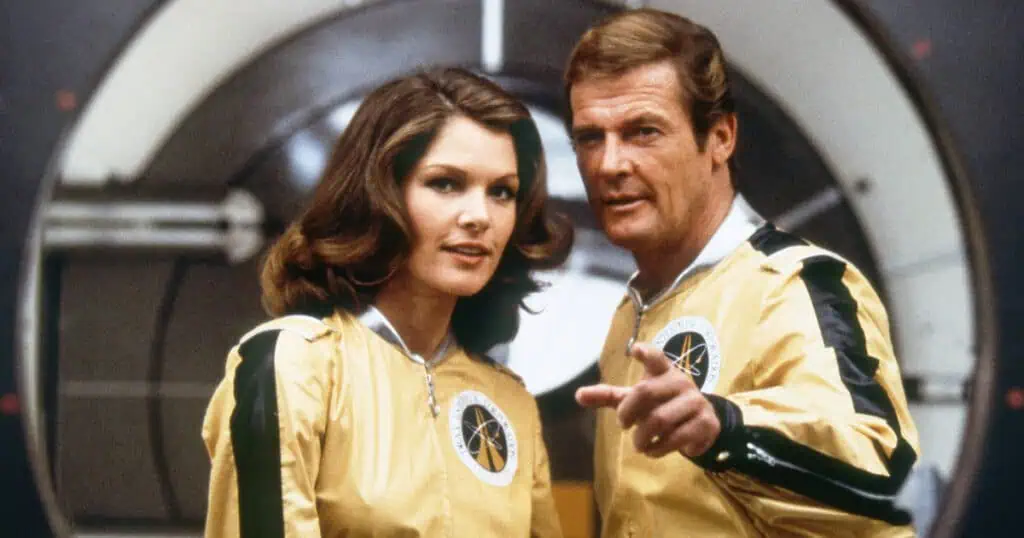
I’ll admit that I have a soft spot for Moonraker, even though many fans consider it the worst of the series. Just like with Die Another Day, this is a case where the Bond producers were afraid of being considered irrelevant in the wake of another hit, with it being one of the many Hollywood blockbusters that tried to cash in on the success of Star Wars. James Bond in outer space should never have happened, and the camp value in this one is high, with Richard Kiel’s memorable henchman, Jaws, being turned into a good guy in the finale because kids liked him in the previous film. Yet, like all the others, it has some good points, including remarkable (for the time) VFX and one of John Barry’s best scores.
21. Live and Let Die (1973)

I love Roger Moore, but his first two movies as 007 were pretty rough. This was a huge hit, likely due in part to how popular Paul McCartney and Wings’ theme song was, but Moore — at this point — really didn’t have a handle on the character. That would come with The Spy Who Loved Me. He’s too aggressive with the ladies in this one, which is not Moore’s style at all. It’s interesting that at one point EON wanted Burt Reynolds to play Bond, as it almost feels like this movie was written for him, complete with a bumbling Southern sheriff character (Clifton James’ J.W. Pepper, whom they inexplicably brought back for The Man with the Golden Gun). Yet, again, it has its good points, with Yaphet Kotto making for a strong villain (although he has one of cinema’s all-time worst death scenes), and the stunt work in this movie is incredible.
20. Never Say Never Again (1983)

There are a lot of legal reasons that Never Say Never Again isn’t the movie it should have been. Due to the complicated rights situation behind the movie, the producers were only allowed to do a straight Thunderball remake, and they had to stick closely to the source novel and screenplay, meaning this was never going to be more than a redux with too much boring underwater action. It also has an atrocious musical score by Michel Legrand that should have been dumped. However, it’s thrilling to see Sean Connery, in his fifties (and looking remarkably fit), play an older 007, and he’s surrounded by one of the best supporting casts ever in a James Bond movie, including Klaus Maria Brandauer as a menacing bad guy, Kim Basinger as the Bond girl, and an incredible Barbara Carrera as the classic villainess, Fatima Blush. It’s wild to me that this movie didn’t make a star out of her.
19. A View to a Kill (1985)
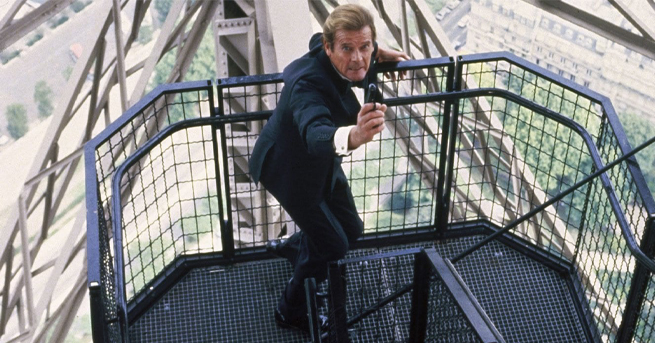
Even Roger Moore himself admitted that he did one too many 007 outings, with many over the years slamming this film for how old the star comes off. In reality, he was only fifty-seven when it was filmed, but in the eighties, that was older than it would be considered now. Moore liked the good life, so he’s clearly not in believable physical shape to be playing the greatest action hero of all time, with his doubling in the action scenes being legendary. At times, Moore doesn’t even seem to be throwing his own punches. Yet, there’s also something charming about how old he is, especially when juxtaposed with the then-cutting-edge Silicon Valley backdrop. Christopher Walken is at his most Walken-esque as the villain, Max Zorin, while Grace Jones is a dynamic (but sympathetic) henchwoman as May Day. It also has a great score by John Barry that tips its hat to the New Wave genre, with him collaborating with Duran Duran on one of the best 007 theme songs ever.
18. Spectre (2015)
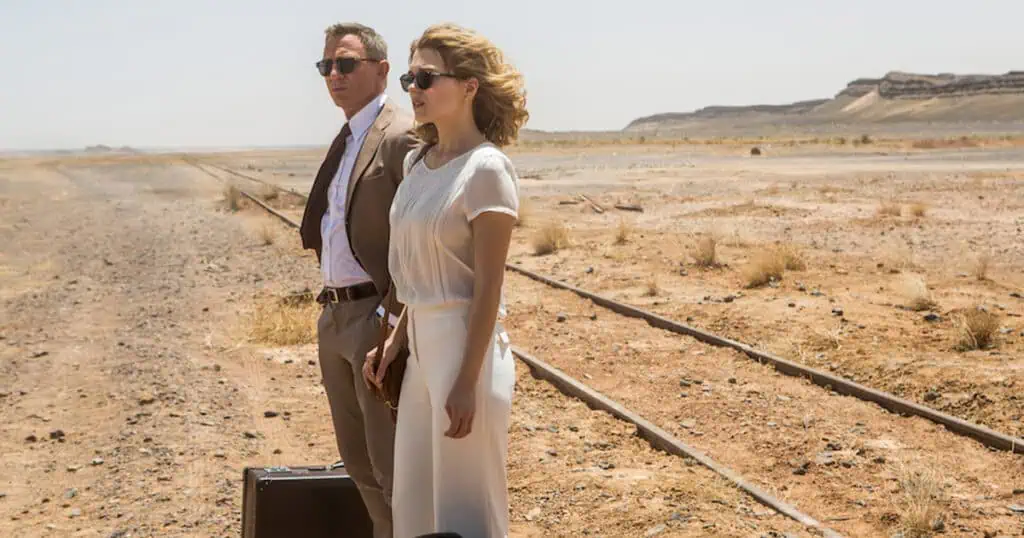
Sam Mendes made an undeniably great James Bond movie with Skyfall, but he shouldn’t have come back for a second film. He threw all his ideas into the last film and seems to be going through the motions here with a convoluted, badly scripted Bond adventure with some goofy touches, such as the Max Headroom version of M, which seems lifted out of a Brosnan yarn. While it does have a great teaser, with Mendes playing with the “oner” style he’d master in 1917, it’s among the most disappointing entries in the series, as they botch the long-awaited reintroduction of SPECTRE and Ernst Stavro Blofeld, who is played by a lacklustre Christoph Waltz.
17. The World Is Not Enough (1999)
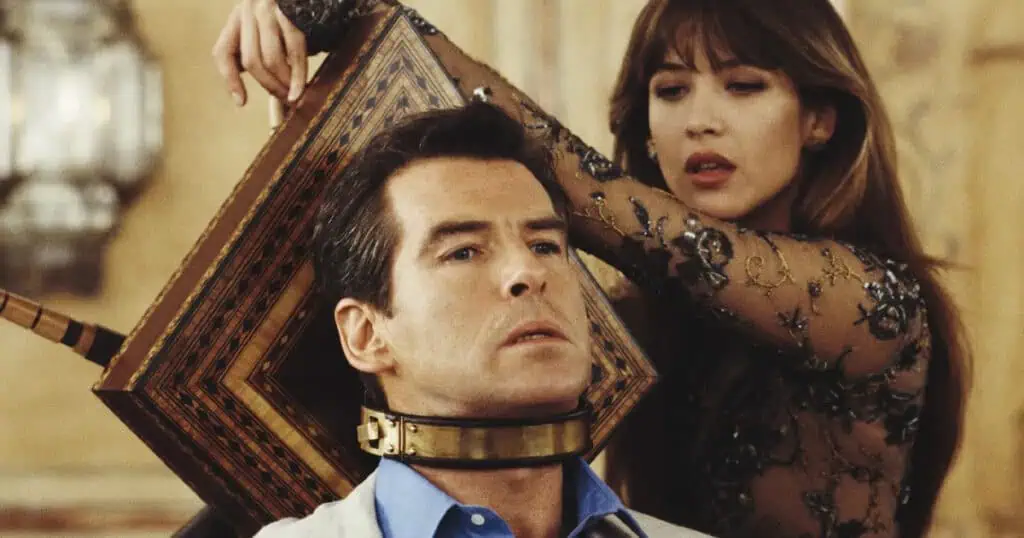
There are those who feel this is one of Pierce Brosnan’s better 007 entries, and indeed, it has some good elements. Sophie Marceau is excellent as one of the franchise’s rare female villains, while the opening boat chase is thrilling. That said, the rest of the action sequences are lacklustre, Denise Richards is poorly cast as a nuclear scientist (the now-infamous Dr. Christmas Jones), while Robert Carlyle’s Renard — inexplicably — is elevated to main villain status in the finale. Bad move — although it’s nice that Judi Dench’s M got a more prominent part, and I like how she and Brosnan’s Bond have a far colder, almost adversarial relationship compared to the surrogate mother-son one in the Daniel Craig movies.
16. Tomorrow Never Dies (1997)

I go back and forth over which Brosnan film is better, this or The World Is Not Enough, but I’ll give this the edge because it has better action sequences. The remote-controlled BMW chase is nifty, and the score by David Arnold is a classic, with it memorably featuring collaborations with Propellerheads. Michelle Yeoh and her Hong Kong stunt team elevate the action, although she does overshadow 007 a bit, as she was in her physical prime at the time. Teri Hatcher also seems miscast, although Jonathan Pryce has fun as the Rupert Murdoch-style villain.
15. No Time to Die (2021)

The movie that killed 007! I don’t dislike Cary Joji Fukunaga’s film, which is stylishly directed, but I don’t feel like 007’s death was truly earned, mainly due to not one but two lacklustre villains (Christoph Waltz’s returning Blofeld and Rami Malek’s Safin), and the fact that his romance with Madeleine Swann (Léa Seydoux) never really hooked me. The action, though, is great, with Ana de Armas having a show-stealing turn as an agent who helps 007 out of a jam. It’s also cool that Hans Zimmer finally got to score a James Bond movie (I suspect he’ll return for Villeneuve’s movie).
14. You Only Live Twice (1967)

By the time he made his fifth James Bond movie, Sean Connery was more than over playing the role, as evidenced by the way he sleepwalks through what’s otherwise a fairly exciting Bond movie. It’s beautifully shot by Freddie Young on location in Japan, with John Barry contributing an exotic score and a great theme song sung by Nancy Sinatra. It has some really silly moments (such as Bond posing as Japanese), but Donald Pleasence, for my money, is the best Blofeld ever, and it has some incredible set pieces, such as the climactic ninja attack on SPECTRE’s volcano base.
13. Octopussy (1983)

I’ll admit that I seem to be the world’s biggest fan of this one. Many consider it an inferior Roger Moore entry, but I’ve always thought it was action-packed and a blast, sporting one of John Barry’s best scores. It came out on the heels of Raiders of the Lost Ark, so this one plays like a unique hybrid. At times, it’s a dark Cold War drama about a rogue Russian general (played by classic eighties bad guy Steven Berkoff), but then there’s a large chunk set in India, where 007 pursues an Afghan prince, Kamal Khan, that is very much in the high-adventure mode of an Indiana Jones film. It also has curious similarities to Indiana Jones and the Temple of Doom, which came out the next year. Moore is older in this one but still looks good and fares well opposite a more mature leading lady, with Maud Adams as the title character.
12. Thunderball (1965)
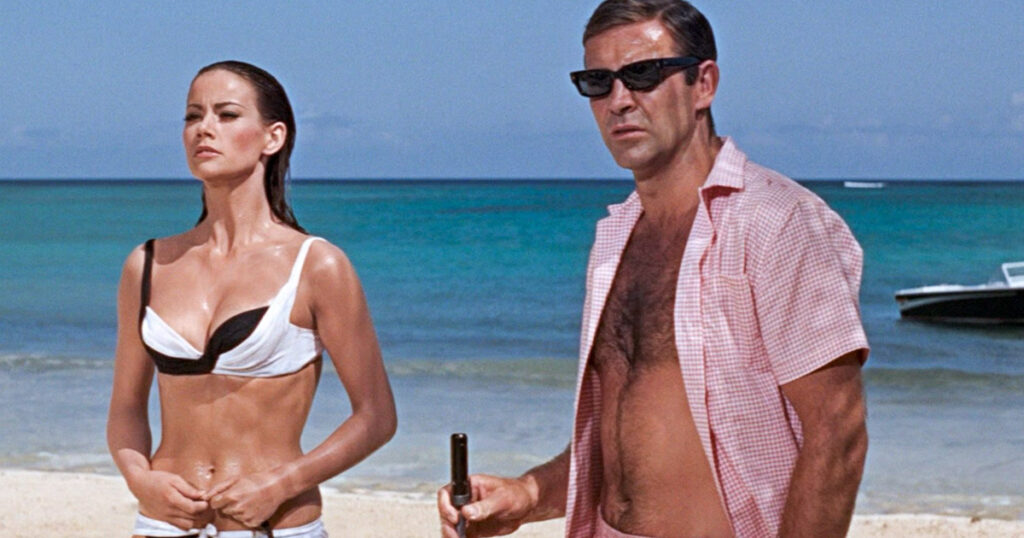
This was my first James Bond movie. I caught it on ABC’s Sunday Night Movie on New Year’s Eve 1989, going into 1990. It was the first Bond movie to come out in the midst of Bondmania, with the previous film, Goldfinger, having been such a huge hit that James Bond became a pop culture icon on the same level as the Beatles. As a result, this had a massive scale and budget, with some of the best-looking Bond girls ever, played by Claudine Auger and the deliciously evil Luciana Paluzzi. The flaw, though — and it’s a big one — is that the movie contains way too much underwater footage, which slows the movie down significantly. Had that footage been cut in half, this would have been an elite-level Bond movie.
11. For Your Eyes Only (1981)

By the time EON made this one, they’d realized they’d gone too far into sci-fi territory with Moonraker and opted to make this a more down-to-earth adventure for 007. They also had a leading man who was in his fifties, and Moore was given the opportunity to play a more rough-edged, weary Bond who’s not always at the top of his game and needs quite a lot of help as the movie goes on. It gives him great allies, with Carole Bouquet’s vengeful Melina being one of the best-written Bond heroines (although her performance being dubbed does her no favours), while Fiddler on the Roof’s Topol steals every scene. The stunt work is also amazing. The flaws? Bill Conti’s score is a bit too over-the-top at times for my tastes (although the Sheena Easton theme song is a classic), and the villains are dull.
10. Dr. No (1962)
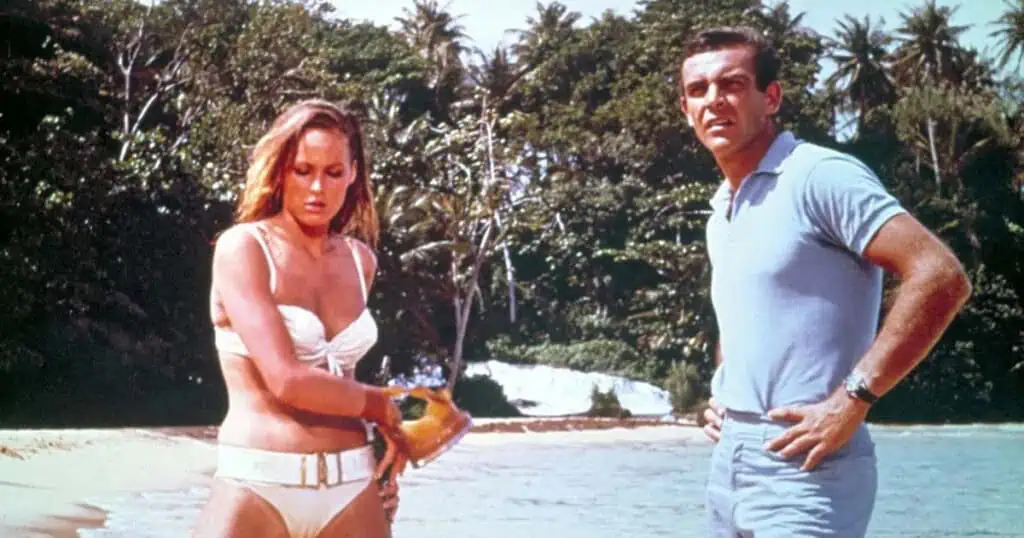
The one that started it all. Compared to what was to follow, Dr. No feels dated, with a Fu Manchu-like villain, lots of bad dubbing, and a slow pace. But Connery nails the role right off the bat, and there are some classic scenes, including Ursula Andress’ introduction as Honey Ryder and the memorable confrontation between Bond and Professor Dent (“That’s a Smith & Wesson, and you’ve had your six”). It’s the prototype that would be perfected in later films.
9. Licence to Kill (1989)
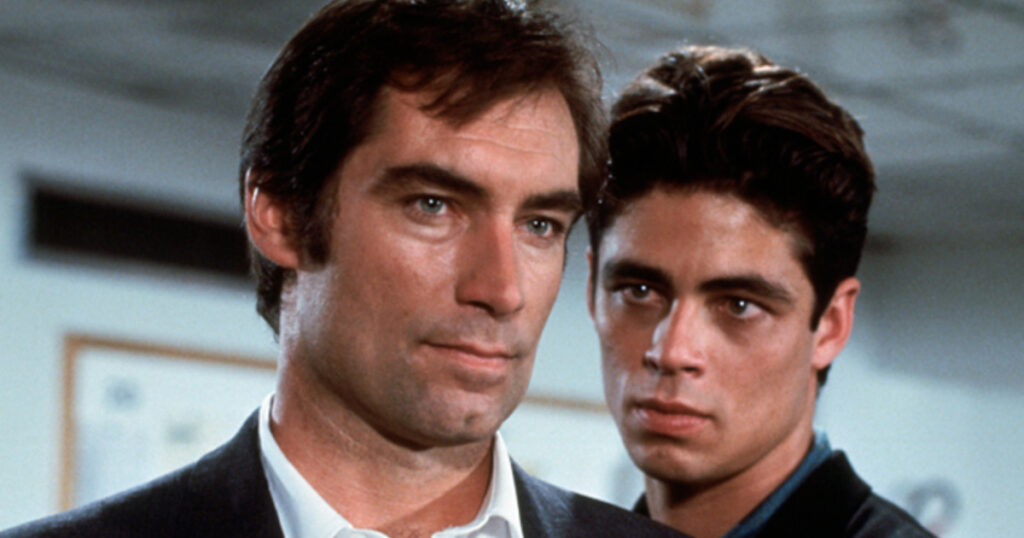
No actor ever got a more unfair deal than Timothy Dalton. He took the series into darker, more dangerous territory, with him basically doing Daniel Craig-style Bond movies twenty years before they became fashionable. Licence to Kill is the most violent Bond movie, with it being cut at the last minute to avoid an R rating (the version on physical media is uncut). Very much resembling an American action movie of the era, complete with a Michael Kamen score, Dalton is at the top of his game as a vengeful 007 who wants to kill the Colombian drug lord Sanchez (Robert Davi — an all-time great Bond baddie), who maimed Felix Leiter and killed Leiter’s wife. The action is brutal, with Benicio del Toro (in an early role as Sanchez’s henchman Dario) having a death scene that’s still quite sadistic. Carey Lowell as Pam Bouvier is also one of the best Bond girls of the era, with this being one of the times where 007 more than meets his match, with her proving to be a valuable ally who also happens to look incredible with short hair. Lest it get too serious, they wisely bring in Desmond Llewelyn’s Q for his biggest role in the series to date, as he goes out into the field to help Bond at Moneypenny’s behest once he (gasp) resigns from MI6.
8. GoldenEye (1995)

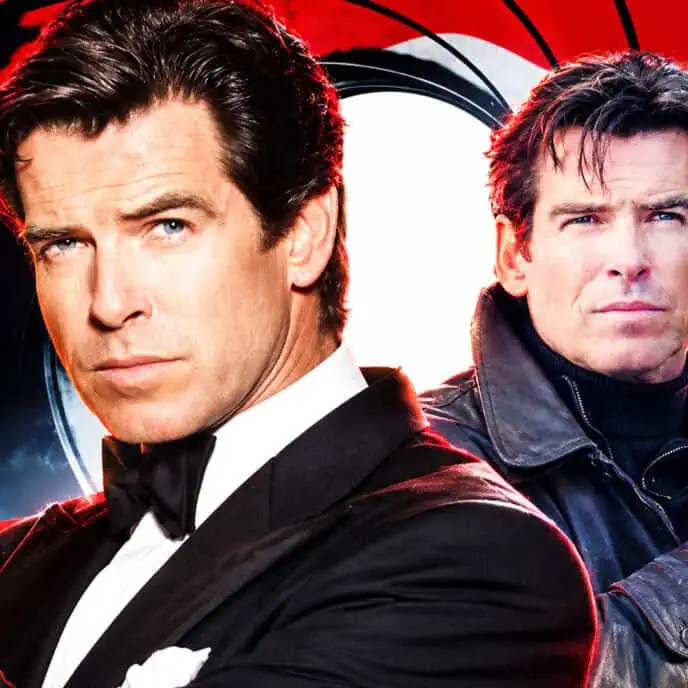
When Pierce Brosnan made his debut as 007, it had been six long years since the last James Bond movie, and many thought the franchise was kaput. EON and MGM threw everything but the kitchen sink into this one, with Martin Campbell doing such a good job reintroducing Bond that they would have him repeat this feat with Casino Royale over a decade later. Brosnan is a perfect 007 for the nineties, with Sean Bean making for a solid villain as 006, while Famke Janssen steals scenes as the villainess, Xenia Onatopp. My only issue is that the score by Éric Serra is too low-energy at times. Still, this is Brosnan’s best Bond outing by a wide margin.
7. The Living Daylights (1987)

Timothy Dalton’s introduction as James Bond was a great way to reintroduce the character, with this being a far more vigorous action flick than Moore had played in previously. It has epic action that was meant to compete with big-budget action movies of the era like Rambo, but it also has a nice veneer of class to it, with John Barry’s elegant score being one of his best. My only complaint is that the villains are terrible, although Bond has a great fight with the henchman Necros, with his dispatching of the character being a memorably cold-blooded, well-staged bit of business.
6. The Spy Who Loved Me (1977)

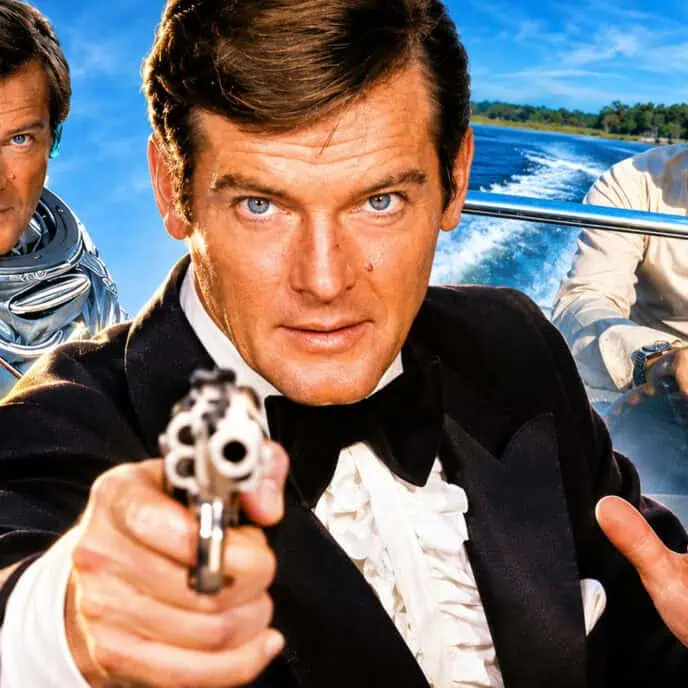
This is the moment Roger Moore came into his own as 007. Rather than have him imitate Connery, Moore was allowed to be charming, funny, and somewhat less prone to deadly violence, with him playing the whole movie with a wink and a smile. He makes for a charming 007, and this also set a new tone for the series with Bond girls, who were more often presented as the character’s match than pure window dressing. Barbara Bach plays Major Anya Amasova, who — in a neat twist — actually wants to kill Bond, as he kills her lover in the teaser. There are some great sequences here, including the famous Union Jack ski jump, while the theme song by Carly Simon is an all-timer.
5. Skyfall (2012)
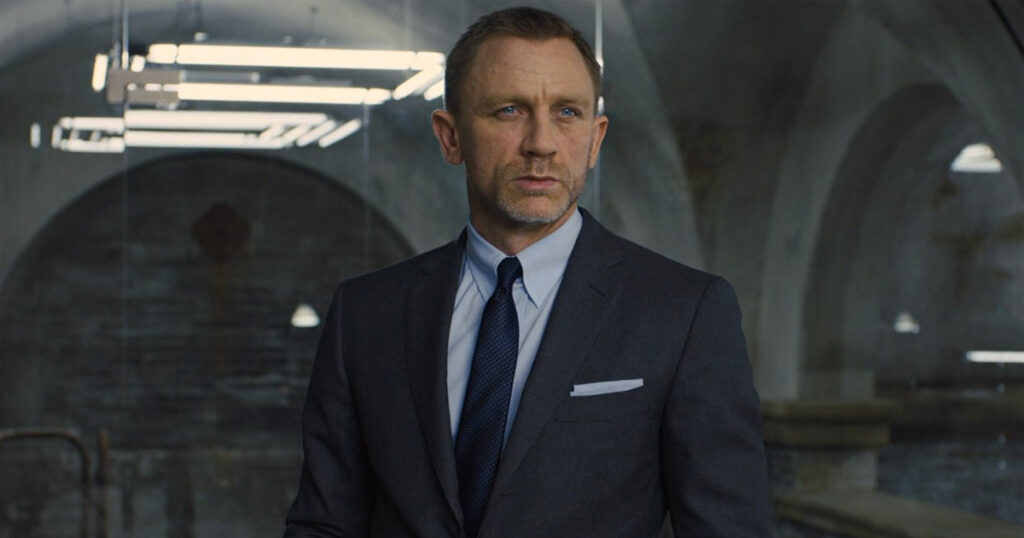
After the bitter disappointment of Quantum of Solace, their follow-up was set to be a make-or-break Bond movie. For the first time in the franchise’s history, they opted to hire an A-list director in Oscar winner Sam Mendes, who would get to call the shots. The result was a distinctly different but excellent entry in the franchise. It’s one of the best-photographed Bond films ever, with Mendes enlisting Roger Deakins, while he controversially replaced series mainstay David Arnold with Thomas Newman. The movie doubles down on the relationship between 007 and M, with Judi Dench getting the best role she’s had in the franchise to date, while Javier Bardem’s Silva emerges as one of the truly great James Bond bad guys — probably the best since Robert Davi’s Sanchez.
4. From Russia with Love (1963)

After Dr. No, it’s incredible to see how quickly the team at EON was able to put all the elements in place for a significantly better follow-up that remains a favourite of many Bond fans, with it being one of the films most in line with author Ian Fleming’s original concept for the character. As an action movie, it’s one of the most influential ever, with sparse, stripped-down direction courtesy of Terence Young, a thrilling score by John Barry, and, perhaps most important of all, revolutionary editing by Peter Hunt, which changed the language of action cinema. The climactic hand-to-hand fight between 007 and Robert Shaw’s Red Grant is an all-time classic and still packs a wallop.
3. Goldfinger (1964)

As great as From Russia with Love is, Goldfinger was the movie that set the template for all to follow and kicked off Bondmania. It has the glamour and sophistication of a Bond movie but introduces a certain pop art aesthetic, with its larger-than-life villain (Gert Fröbe’s titular character), imagery (the golden girl), and music (John Barry and Shirley Bassey’s theme music). It also gave us the first real Q scene to showcase Desmond Llewelyn, even though he made his debut in the film before.
2. Casino Royale (2006)

I’ll never forget how electrifying it was to see this movie on opening night twenty years ago. By the time Daniel Craig makes his first two kills and shoots out the gun barrel logo (which is used in a cool way), I knew the Daniel Craig era was going to be a good one. But I also didn’t realize how affecting it would be, with Martin Campbell getting great performances out of Craig and Eva Green as the iconic Vesper Lynd, one of the most tragic Bond girls of all time. The action is also top-notch, with the parkour chase being one of the franchise’s best, while Mads Mikkelsen is an intense villain.
1. On Her Majesty’s Secret Service (1969)

It’s ironic that the best 007 film is arguably one of the least seen. It marked George Lazenby’s one and only performance as Bond, and truth be told, his performance is only so-so (although better than its reputation suggests). Yet, by this point, Bond as a character was so well-defined that the movie could survive a merely half-decent performance, and Lazenby, for all his faults, is a tremendous physical presence, with this having some great fight sequences. Peter Hunt, who was the franchise’s editor, does an incredible job making this a sweeping, epic, romantic 007 movie in which he finally meets his match in Diana Rigg’s Tracy and even marries her — only for the movie to stick to Ian Fleming’s heartbreakingly tragic ending. It’s the most well-crafted Bond movie of all time, and were anyone but Lazenby the star, its status as the greatest ever wouldn’t be in question.
Those are our rankings — but what are yours? Let us know in the comments!















The comment section exists to allow readers to discuss the article constructively and respectfully, focused on the topic at hand.
What’s Not Allowed