
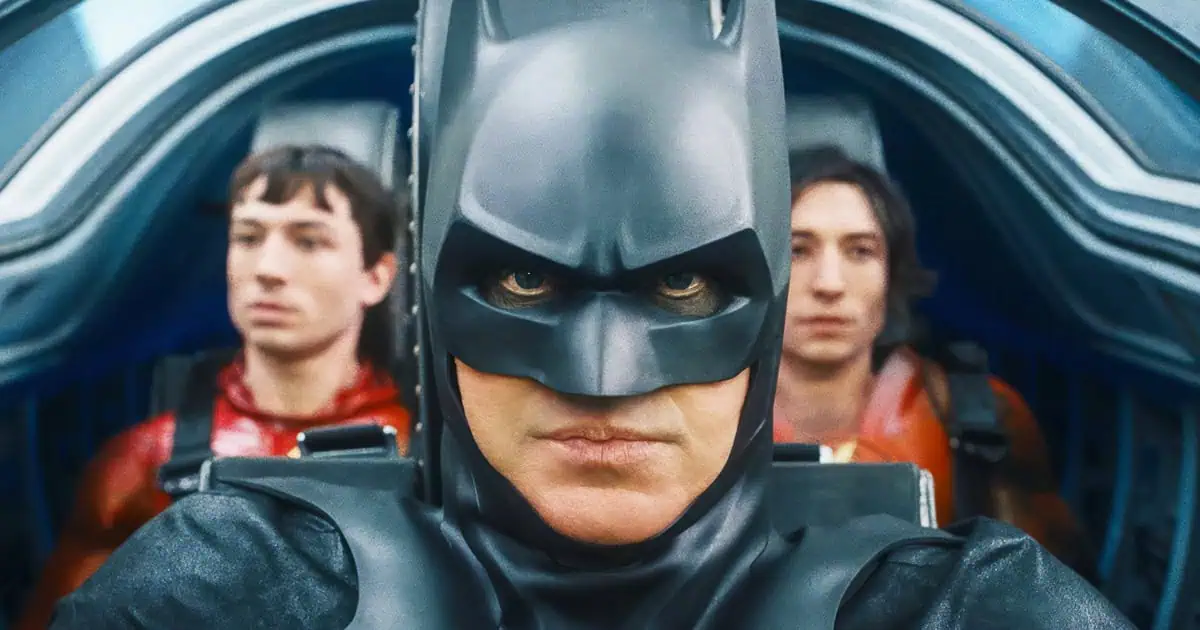
The Flash was among the original slate of DCEU movies announced by Warner Bros. in 2014, but it took nearly a decade before the speedster finally got the chance to headline his own movie. During that time, many different writers and directors were attached to the project, including John Francis Daley and Jonathan Goldstein, who were actually set to direct the film at one point. The pair share a story credit on the final movie, but just how much of their original version of The Flash actually survived?
John Francis Daley & Jonathan Goldstein on The Flash
The Flash finds Barry Allen (Ezra Miller) travelling back in time to prevent his mother’s death, only to become stranded in an alternate past, where he meets his past self, Supergirl (Sasha Calle), and a retired Batman (Michael Keaton). In this alternate universe, the Justice League doesn’t exist, and Kal-El has been killed by General Zod (Michael Shannon).
So, what was Daley and Goldstein’s take? While speaking with The Playlist, the pair were asked how much of their script made it to the big screen. Turns out, not much.
“An element of him and his slightly younger self embarking on the journey together,” Daley said. “Everything else was kind of different.“
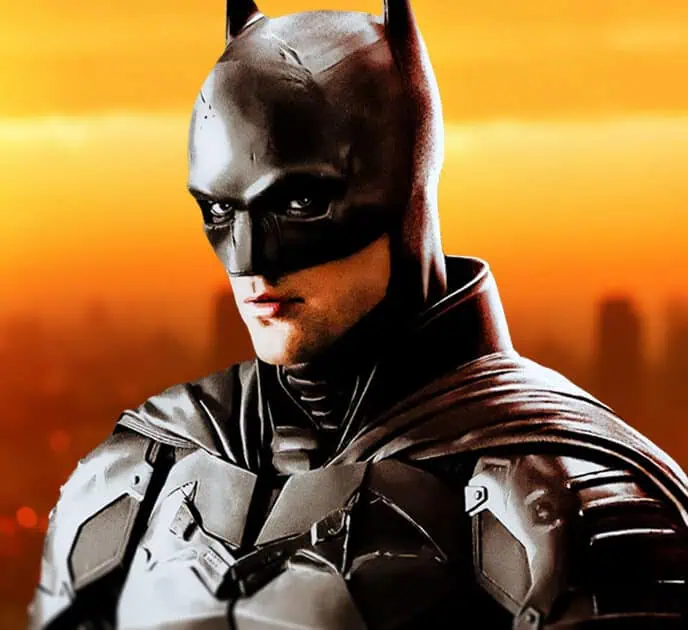
Their script didn’t include Batman, but it did feature a Bruce Wayne who never became Batman. “And so he was just this sort of billionaire party boy who’s aimless and doesn’t know what to do with his life,” Daley continued. “And we love the idea of sort of thrusting him into a hero position. That is not in the film. They made it Michael Keaton’s Batman. So not a lot survived.“
I wonder if this Bruce Wayne would have been played by a familiar Batman actor (Ben Affleck would have had fun with that) or if they had someone else in mind.
The Flash Director is Proud of the Movie
Despite early buzz portraying The Flash as “one of the greatest superhero movies ever made,” the film underperformed at the box office, grossing just $271.4 million worldwide and earning mixed reviews. That said, director Andy Muschietti remains proud of the movie.
“A lot of people did not see it,” he said. “But you know how things are these days — people don’t see things, but they like to talk s*** about it, and they like to jump on bandwagons. They don’t really know. People are angry for reasons that are unrelated to these things.“
He continued, “We just moved on and understood that sometimes there’s a headwind and a project that you dedicated a lot of work to. And we’re very proud of it. I think it’s a good movie.”














The comment section exists to allow readers to discuss the article constructively and respectfully, focused on the topic at hand.
What’s Not Allowed