
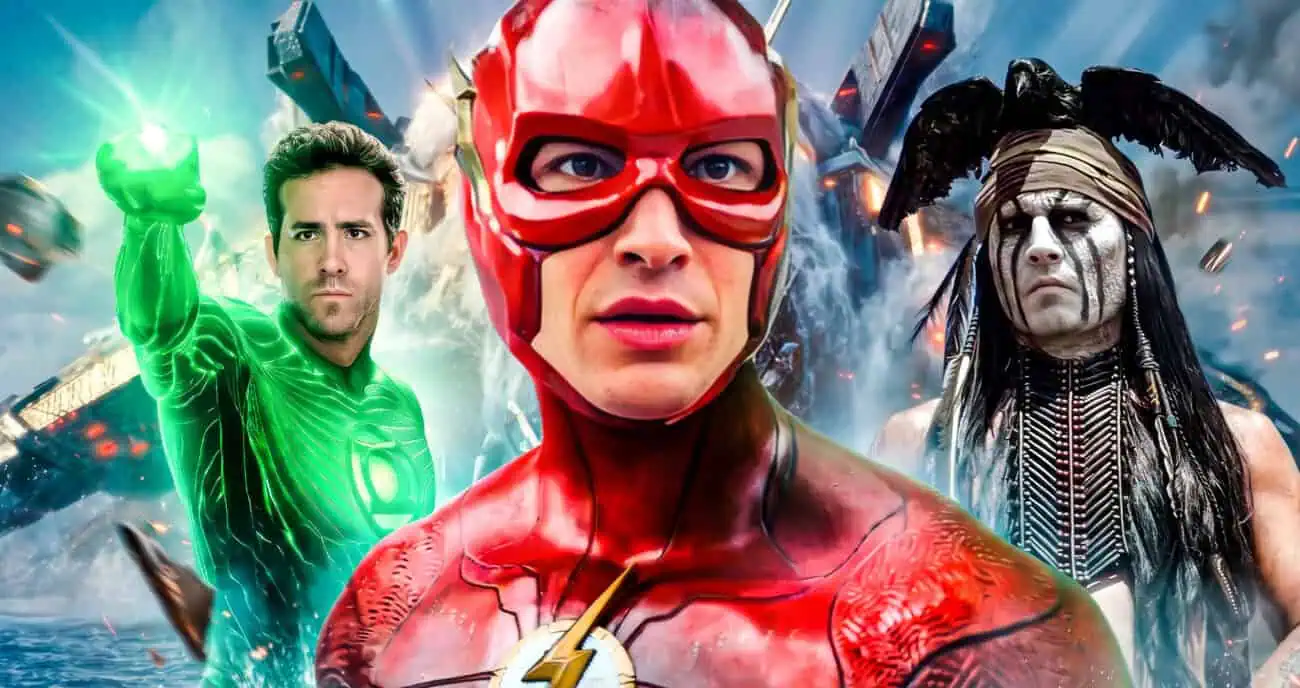
Summer is Hollywood’s biggest proving ground. It’s the season when studios roll out their most expensive movies, hoping to create the next billion-dollar phenomenon. Sometimes those gambles pay off in spectacular fashion. Other times, they become cautionary tales that cost studios hundreds of millions of dollars. Horror may have dominated 2026 with critical and audience favorites like Obsession and Backrooms, but now we’re firmly in blockbuster season. While summer releases often become the biggest hits of the year, there’s a reason the phrase “box office bomb” exists.
Which studio has a shocking number of blockbuster disasters to its name? Which movie flopped so badly that it helped bring down the studio behind it? And which superhero films proved to be anything but super?
Join us as we count down the Top 10 Biggest Summer Box Office Bombs of All Time.
How We Chose These Movies
Before we dive into the list, let’s define what we mean by a “summer blockbuster bomb.” We’re looking beyond simple box office numbers. This ranking considers the hype surrounding each movie, the talent involved behind and in front of the camera, the production budget, marketing costs whenever available, and just how badly the film failed relative to expectations.
To keep things manageable and true to the spirit of the summer movie season, we’re limiting our selections to films released between May and August. We’re also avoiding inflation adjustments. If a movie bombed in the 1950s or 1960s, we’re judging it by the financial disaster it represented at the time rather than converting those losses into 2026 dollars.
With that out of the way, let’s start with a few honorable mentions.
Honorable Mentions
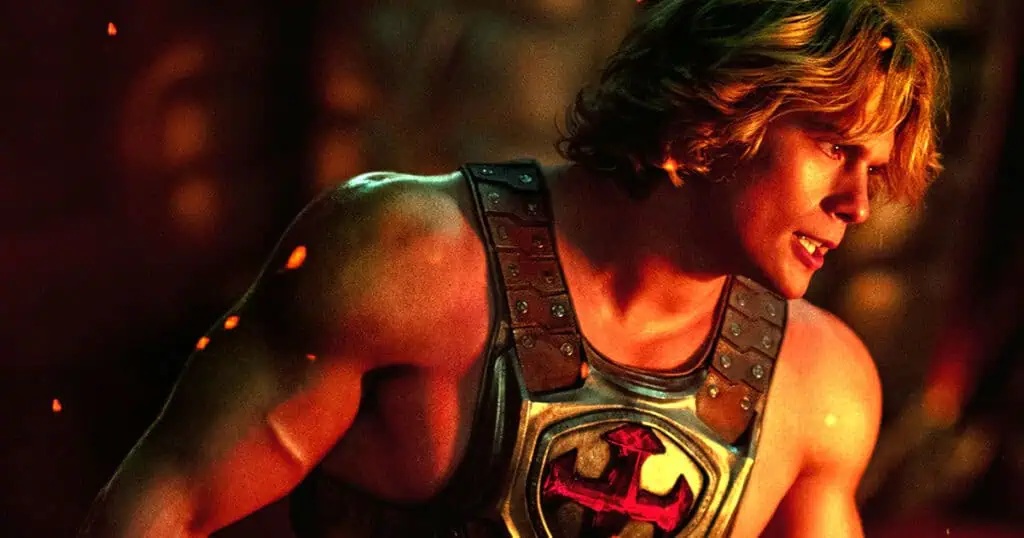
Masters of the Universe (1987) and Masters of the Universe (2026)
As massive as He-Man was during the ’80s, both as a cartoon designed to sell toys and as a toy line that absolutely succeeded, Hollywood has never quite figured out how to make Masters of the Universe work on the big screen.
The first attempt arrived during the dog days of summer in August 1987. Despite starring Dolph Lundgren and bringing Eternia to life, the film grossed only around $17 million against a $22 million budget. That might not sound catastrophic by today’s standards, but it played a significant role in the collapse of the wonderfully over-the-top risk-takers at Cannon Films. Between Masters of the Universe, Lifeforce, and Supergirl, there simply wasn’t enough money coming in to offset the enormous bets the studio kept making. One of the most fascinating and underappreciated filmmaking houses of the 1980s never recovered.
Fast forward to 2026, and it’s almost like one of those Watchmen panels about time repeating itself. Amazon MGM Studios decided to take another shot at He-Man with a bigger, longer, and far more self-aware adaptation. Confidence certainly wasn’t lacking, as the production reportedly carried a budget approaching $200 million.
Unfortunately, audiences didn’t show up in the numbers the studio hoped for. The movie failed to cross $110 million worldwide. Unlike Cannon Films, Amazon MGM isn’t going anywhere because of one expensive misfire, but hopes for a sequel disappeared almost immediately.
Instead, this version of Masters of the Universe seems destined for something its predecessor eventually achieved: cult status.
Final Fantasy: The Spirits Within, Stealth, and Gigli
Some bombs don’t quite crack the Top 10 but still deserve recognition.
Final Fantasy: The Spirits Within (2001)
Long before audiences embraced photorealistic CGI, Final Fantasy: The Spirits Within attempted something incredibly ambitious. The gamble was enormous. Japanese RPGs were still a niche interest in North America, and while the Final Fantasy name was beloved among gamers, it wasn’t nearly as recognizable to mainstream audiences as franchises like Mortal Kombat, Super Mario Bros., or Street Fighter.
The production ballooned to nearly $140 million, thanks to cutting-edge animation and an enormous workforce. Some critics admired the technical achievement, but audiences largely stayed away. The film earned only $85 million worldwide, including just $32 million domestically. In many ways, it may simply have arrived years ahead of its time.
Stealth (2005)
Stealth failed for a completely different reason. On paper, it looked like a crowd-pleaser: fighter jets, cutting-edge military hardware, artificial intelligence gone rogue, and a cast featuring Jamie Foxx and Jessica Biel.
Columbia Pictures reportedly invested around $137 million before marketing even entered the equation. Unfortunately, audiences just weren’t interested.
Director Rob Cohen later admitted that while he’d loved making crowd-pleasers like The Fast and the Furious and xXx, Stealth simply wasn’t much fun to make or to watch. Sometimes even all the right ingredients fail to come together.
Gigli (2003)
Then there’s Gigli. Financially, it didn’t lose as much money as many films on this list, but culturally, it became one of Hollywood’s most infamous disasters.
Released on August 1, 2003, the movie leaned heavily into the real-life relationship between Ben Affleck and Jennifer Lopez during its marketing campaign. Behind the scenes, however, production troubles and creative disagreements had already turned the project into a mess.
The $75 million film earned just $7 million worldwide. That’s the kind of performance that follows everyone involved.
Director Martin Brest never directed another feature, while the film became an unfortunate footnote in the careers of Affleck, Lopez, Christopher Walken, and Al Pacino. It’s earned a permanent place alongside Ishtar and Heaven’s Gate whenever Hollywood’s greatest disasters are discussed.
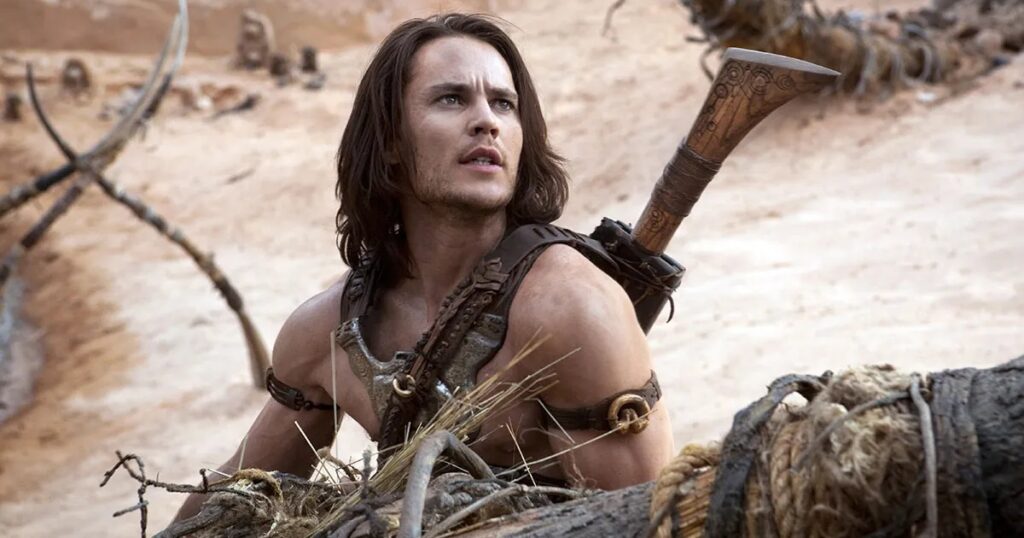
John Carter (2012)
One final honorable mention goes to Disney’s John Carter. Technically, it doesn’t qualify because it ultimately opened in March 2012, well outside the summer movie season. However, the film was originally scheduled for July 2011, making it worth mentioning here.
Few productions have endured a longer journey to the screen. Attempts to adapt Edgar Rice Burroughs’ classic adventure began as far back as the 1930s, with multiple versions nearly coming to fruition at both Paramount and Disney over the decades.
Even after principal photography wrapped, the project underwent reshoots, a title change, and what many industry insiders still consider one of the weakest marketing campaigns ever mounted for a blockbuster. The production budget climbed to roughly $306 million, while worldwide ticket sales reached about $284 million. Those numbers may seem relatively close together, but once marketing and distribution costs were factored in, Disney reportedly lost close to $300 million on the project.
The film quickly became one of the studio’s biggest embarrassments and largely disappeared from public conversation. That’s a shame because, flaws and all, John Carter is a genuinely entertaining adventure. In another timeline, with better marketing and a stronger release strategy, it might have launched an entire franchise.
The Countdown Begins
Now that we’ve gotten the honorable mentions out of the way, it’s time to dive into the movies that truly earned a place on this list.
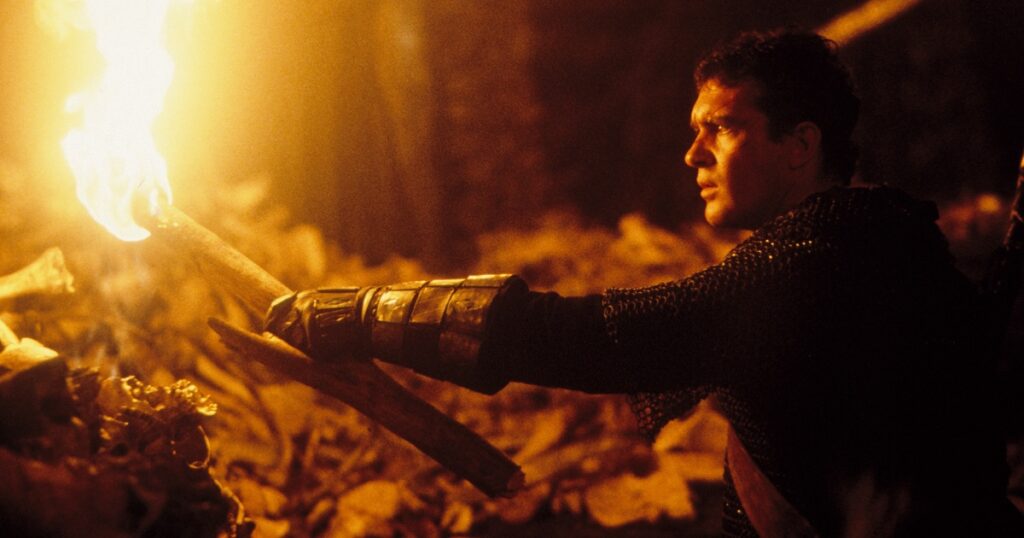
#10 – The 13th Warrior (1999)
There was a time when The 13th Warrior looked like it had everything it needed to become a major summer hit. The pedigree behind the project was almost unbelievable. The screenplay was written by Warren Lewis, best known for Black Rain, alongside William Wisher, whose résumé already included The Terminator, Terminator 2: Judgment Day, and Judge Dredd. Behind the camera was John McTiernan, the filmmaker responsible for action classics like Predator, Die Hard, and The Hunt for Red October.
Then there was the source material. The movie was based on Michael Crichton’s novel Eaters of the Dead, written by the same author who gave the ’90s one of its defining summer blockbusters with Jurassic Park. Antonio Banderas and Omar Sharif rounded out a cast that looked more than capable of carrying a big-budget historical adventure.
So what went wrong? Unfortunately, test audiences weren’t impressed. The studio ordered extensive reshoots, delaying the release while Michael Crichton himself stepped behind the camera to direct new material. Entire sequences were rewritten, scenes were re-edited, and the ending was significantly reworked before the movie finally arrived in theaters on August 27, 1999.
By then, the budget had ballooned to nearly $160 million. The box office? Just $61 million worldwide.
To make matters worse, The 13th Warrior opened during the second weekend of The Sixth Sense, one of the most remarkable box office runs in Hollywood history. Audiences simply weren’t interested in another expensive action epic.
The movie didn’t bankrupt Touchstone Pictures, but it marked the beginning of the end for several careers involved with the production. Michael Crichton’s blockbuster dominance began to cool after Jurassic Park, while John McTiernan’s career would soon be derailed by the legal troubles that followed only a couple of projects later.
Today, The 13th Warrior is largely forgotten outside cult movie circles. That’s a shame, because while it’s undeniably messy, it’s also one of the more fascinating “what happened?” stories in blockbuster history and absolutely worth watching as a curiosity.
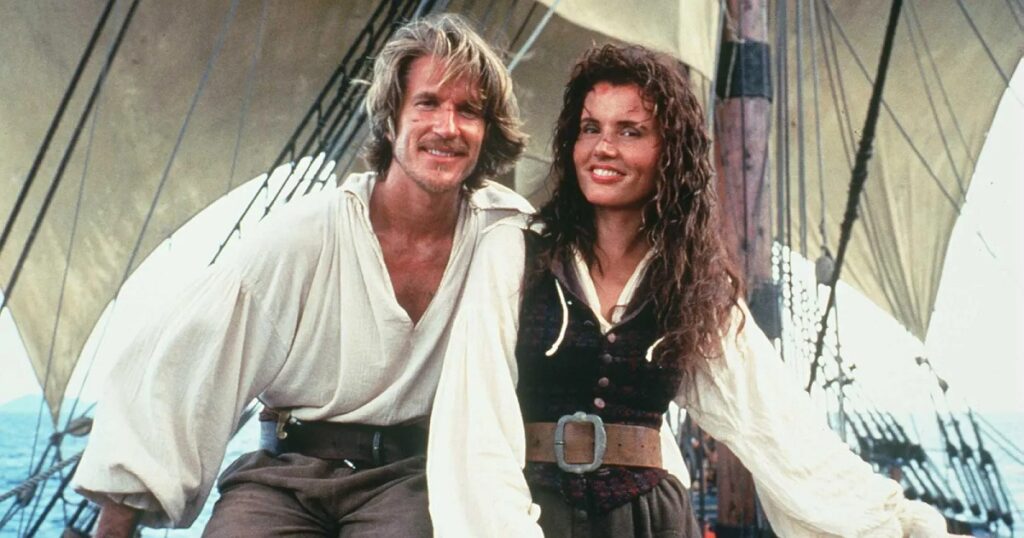
#9 – Cutthroat Island (1995)
While The 13th Warrior survived its box office failure, the same can’t be said for our next entry or the studio behind it. Cutthroat Island has become legendary not because so many people have seen it, but because of the damage it caused. The pirate adventure is widely credited with helping sink Carolco Pictures, the once-mighty studio behind films like Terminator 2: Judgment Day, Basic Instinct, and Total Recall. In fact, Carolco filed for bankruptcy before Cutthroat Island even reached theaters.
Almost everything that could go wrong did. The script underwent countless revisions. Major casting changes threw production into chaos. Delays piled up. Costs kept rising. By the time cameras stopped rolling, the budget had swelled to roughly $115 million, an enormous figure for the mid-1990s.
Audiences, however, had little interest in climbing aboard. The film earned just $16 million worldwide, making it one of the biggest financial disasters of its era.
The funny thing is… it’s really not that bad. Geena Davis throws herself into the role, Matthew Modine is perfectly serviceable as the reluctant hero, and Frank Langella clearly understands exactly what kind of movie he’s making. It’s an entertaining pirate adventure that’s nowhere near as terrible as its reputation suggests.
Unfortunately, perception matters. The failure scared Hollywood away from pirate movies for years, convincing studios the genre simply wasn’t commercially viable. It took Disney’s Pirates of the Caribbean: The Curse of the Black Pearl nearly a decade later to prove everyone wrong.
Here’s the truly ironic part: Cutthroat Island was originally conceived as the kind of swashbuckling adventure Disney would eventually perfect with Pirates of the Caribbean. It simply arrived years too early. Sometimes timing is everything.
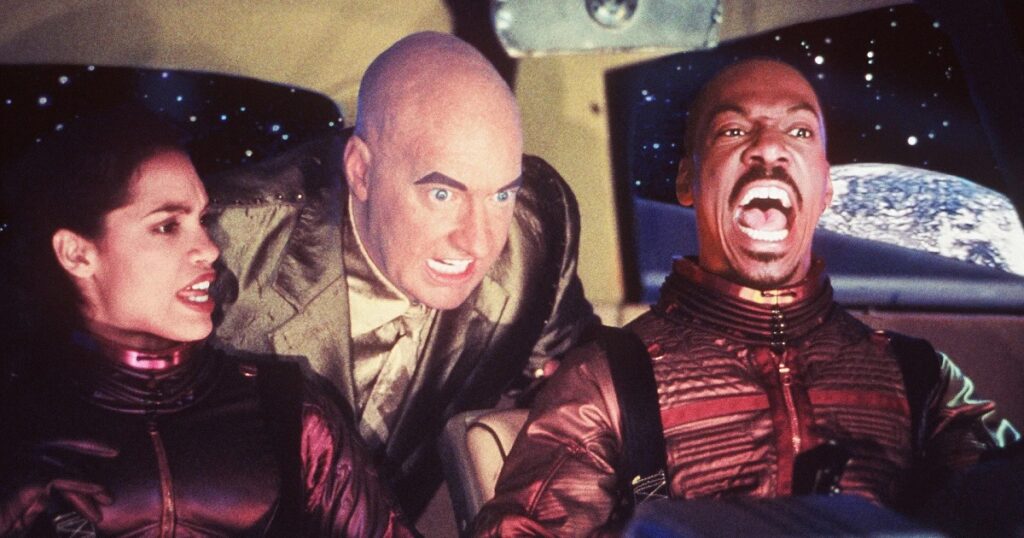
#8 – The Adventures of Pluto Nash (2002)
Speaking of timing… Few stars were as dependable at the box office as Eddie Murphy. Since the early 1980s, Murphy had built a career on blockbuster comedies. Sure, there were occasional misfires like The Golden Child or Vampire in Brooklyn, but he always seemed to bounce back with another hit. By the early 2000s, he had just reminded the world of his star power by voicing Donkey in Shrek, one of the biggest animated successes of its generation.
Everything seemed to be lining up for The Adventures of Pluto Nash. Murphy was joined by Rosario Dawson, Randy Quaid, Joe Pantoliano, Luis Guzmán, Pam Grier, John Cleese, Peter Boyle, and a supporting cast packed with recognizable faces. Behind the camera, director Ron Underwood had already proven he could deliver crowd-pleasers with City Slickers, Mighty Joe Young, and one of my all-time favorites, Tremors. Screenwriter Neil Cuthbert had credits that included Hocus Pocus and Mystery Men.
Maybe this wasn’t Michael Bay-level blockbuster pedigree, but there was certainly enough talent involved to make audiences optimistic. Then came the budget. At roughly $100 million, Pluto Nash became one of the most expensive comedies ever produced.
Unfortunately, warning signs appeared long before release. Murphy reportedly wanted to play the material completely straight rather than leaning into broad comedy, and cast members later admitted morale on set wasn’t exactly high. If that wasn’t enough, an unfinished CGI version of the film leaked online, where it was brutally mocked by readers of Ain’t It Cool News months before the official release.
By the time the movie reached theaters on August 16, 2002, critics were already sharpening their knives. Audiences agreed. The film earned an astonishingly low $7 million worldwide against its nine-figure production budget. Ouch.
To this day, The Adventures of Pluto Nash remains one of the biggest financial failures of Eddie Murphy’s career.
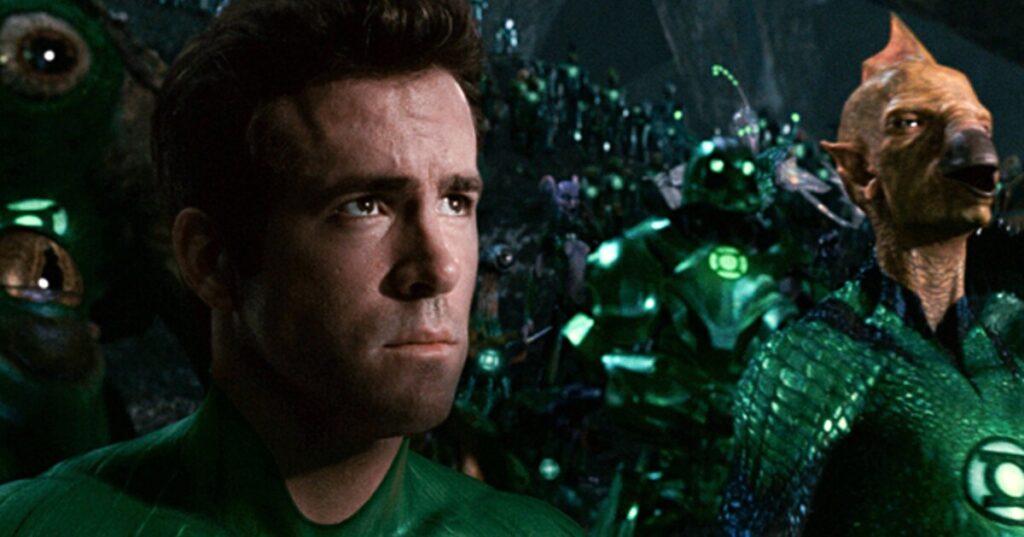
#7 – Green Lantern (2011)
Before the DC Extended Universe, before the SnyderVerse, and while Christopher Nolan’s Dark Knight trilogy was redefining superhero movies, Warner Bros. was searching for its next major comic book franchise. The answer, at least on paper, seemed obvious: Green Lantern. The character had been circling Hollywood since the late 1990s, and when the project finally moved forward, the studio spared no expense.
Ryan Reynolds suited up as Hal Jordan, joined by Blake Lively, Peter Sarsgaard, Angela Bassett, Tim Robbins, Mark Strong, and an impressive supporting cast. Behind the camera was Martin Campbell, the director who had successfully rebooted James Bond with both GoldenEye and Casino Royale. If anyone knew how to launch a blockbuster franchise, it was him.
Warner Bros. reportedly invested around $200 million into the production before marketing even entered the conversation. Everything pointed toward the birth of DC’s next cinematic universe. Instead, it became one of the studio’s biggest disappointments.
Part of the problem was expectation. Warner pushed Green Lantern everywhere. The first ten minutes premiered at Comic-Con to an enthusiastic crowd. Prequel comics hit store shelves. An animated tie-in movie was released. A video game followed. There were action figures, merchandise, and even roller coasters at Six Flags Magic Mountain and Great Adventure. Warner wasn’t simply releasing a movie; it was building a franchise before audiences had even decided whether they liked the first film.
When Green Lantern finally arrived in June 2011, critics were largely unimpressed. Fans turned out for the opening weekend, but word of mouth quickly cooled enthusiasm. While the movie earned roughly $237 million worldwide, that wasn’t nearly enough to offset its enormous production and marketing costs. Industry estimates put the total loss at well over $100 million.
Looking back, Green Lantern isn’t quite the disaster its reputation suggests. It’s not a complete train wreck, but it’s also difficult to argue that it ever reaches the heights Warner hoped for. More than anything, it’s a forgettable blockbuster, and sometimes that’s even worse. Ironically, the film’s biggest legacy may be Ryan Reynolds constantly making fun of it in the Deadpool movies.
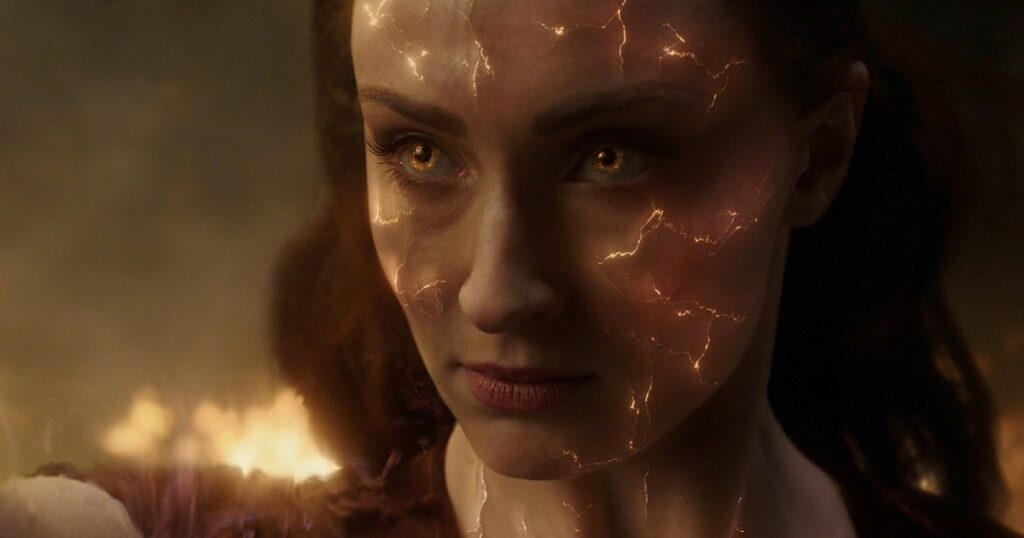
#6 – Dark Phoenix (2019)
Sticking with superheroes, we move from one of DC’s biggest disappointments to the movie that brought nearly two decades of Fox’s X-Men universe to an unceremonious end. Unlike X-Men: Apocalypse, which still turned a respectable profit despite mixed reviews, Dark Phoenix was a genuine box office disaster.
Production was thrown into turmoil following the departure of franchise mainstay Bryan Singer amid mounting allegations and controversy. The film itself was pitched as a darker, more emotionally driven entry, something that would build on the critical success of Logan while introducing one of the most beloved storylines in X-Men history. Instead, delays piled up. Originally scheduled for November 2018, Dark Phoenix was pushed back to June 2019. Extensive visual effects work, reshoots, and post-production changes kept the movie in limbo for more than a year.
By the time it finally arrived, the reported production budget had climbed to around $200 million. Worldwide ticket sales reached approximately $252 million. That might not sound terrible until you remember that X-Men: Apocalypse had earned more than $540 million, and marketing costs reportedly pushed Dark Phoenix‘s total losses past $130 million.
So why didn’t audiences show up? Take your pick. Some viewers were exhausted after Apocalypse. Others were turned off by the behind-the-scenes controversies surrounding the franchise. Many expected something closer to Logan or Deadpool after the marketing promised a darker, more grounded approach.
The marketing itself didn’t help matters either. Following Disney’s acquisition of Fox, layoffs in the marketing department left the advertising campaign struggling to communicate exactly what kind of movie Dark Phoenix was supposed to be.
The result was a film that arrived with little momentum and even less excitement. More importantly, it marked the end of the original X-Men film continuity that had begun nearly twenty years earlier with Bryan Singer’s X-Men in 2000. For a franchise that once defined superhero cinema, it was a surprisingly quiet farewell.
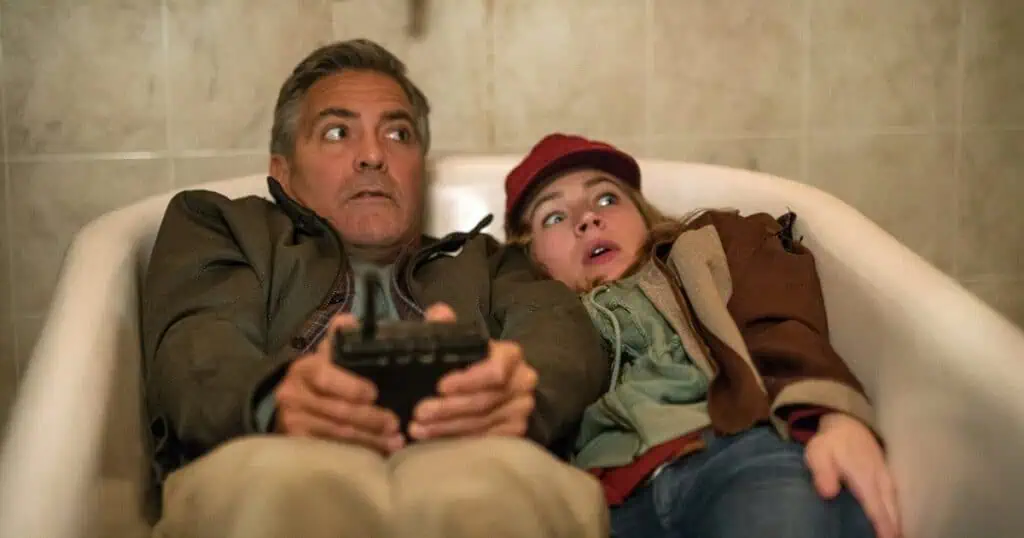
#5 – Tomorrowland (2015)
Our next entry shifts away from superheroes and into territory Disney usually dominates. Original blockbusters. Disney had already transformed a theme park attraction into a billion-dollar franchise with Pirates of the Caribbean. They had also revived The Haunted Mansion with multiple attempts over the years. So why not build a massive science-fiction adventure inspired by one of Disneyland’s most iconic themed lands?
Tomorrowland sounded like a winner. George Clooney headlined the cast, while Brad Bird, fresh off Mission: Impossible – Ghost Protocol and beloved for films like The Iron Giant, The Incredibles, and Ratatouille, co-wrote and directed. For a while, fans even speculated Bird might secretly be making a new Star Wars movie. Instead, Disney unveiled an ambitious original adventure centered around optimism, imagination, and the future. The concept simply to connect with general audiences.
Released on May 22, 2015, Tomorrowland had a total cost approaching $300 million, including marketing. Disney had promoted the project for years, even launching a viral campaign that included a prequel novel and interactive experiences designed to build anticipation. Despite all that effort, the movie received mixed reviews and struggled to convince casual moviegoers that it was worth seeing.
Worldwide, Tomorrowland grossed approximately $209 million. Disney later estimated losses approaching $150 million.
Much like John Carter, this is another movie I think history has been a little unfair to. Is it perfect? Not even close. But it’s imaginative, visually ambitious, and refreshingly original in an era increasingly dominated by sequels and shared universes.
Unfortunately, originality isn’t always enough to guarantee a hit. Sometimes audiences simply don’t buy what the marketing is selling.
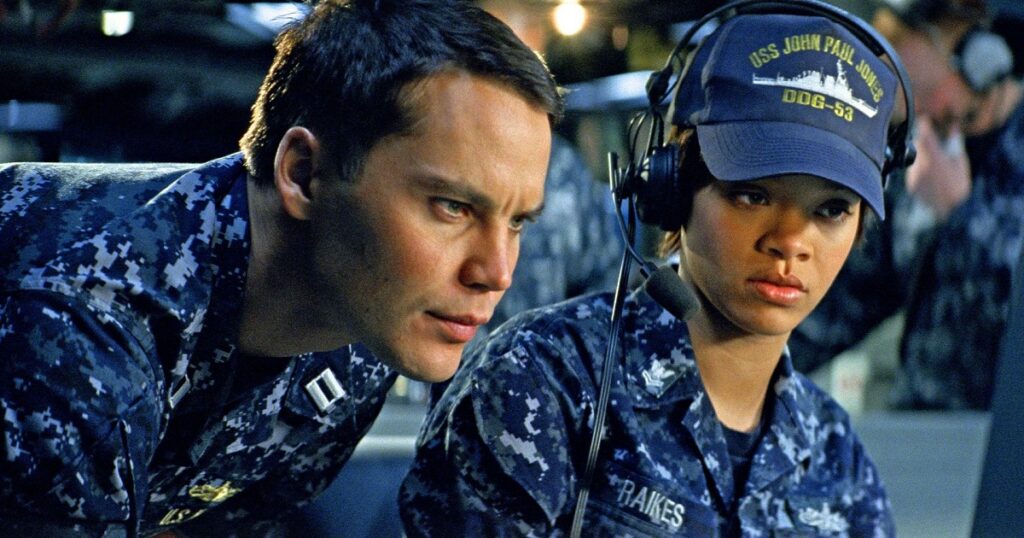
#4 – Battleship (2012)
Taking a break from Disney and superheroes (don’t worry, we’ll be back to both soon), let’s talk about one of Hollywood’s strangest blockbuster experiments. How do you turn a classic board game into a summer tentpole? Apparently, you add aliens.
Battleship is certainly an interesting concept. Universal hired Peter Berg, a director with a proven track record for large-scale action, assembled a cast led by Taylor Kitsch, Alexander Skarsgård, Brooklyn Decker, Liam Neeson, and even global music superstar Rihanna, then spent a fortune bringing Hasbro’s naval game to life.
Unfortunately, audiences weren’t convinced. Production quickly became more expensive than anyone anticipated. Originally budgeted at around $150 million, the film encountered numerous setbacks, including casting changes, logistical challenges, and complications while filming in Australia. Costs continued to climb, and at one point Universal reportedly considered canceling the project before deciding that releasing it offered a better chance of recouping some of its investment.
By the time Battleship finally sailed into theaters, estimates suggested the combined production and marketing costs had approached half a billion dollars. That meant the movie needed to become a worldwide phenomenon just to break even. Instead, it grossed roughly $300 million worldwide. Normally, a $300 million global haul would be considered respectable. Here, it wasn’t nearly enough. International audiences kept the numbers from looking completely disastrous, but domestically the film struggled, and the expensive marketing campaign made profitability virtually impossible.
The tie-in video game didn’t help matters either. Much like the movie itself, it failed to leave much of an impression.
Ironically, the best way to enjoy Battleship is still the original board game sitting in your closet. While Hollywood has continued adapting toys and games into movies with varying degrees of success, Battleship largely cooled enthusiasm for traditional board game adaptations for years. Aside from the reinvented Jumanji series, studios became far more cautious about trying to turn family game nights into blockbuster franchises.

#3 – The Flash (2023)
Now we arrive at what many consider the biggest superhero box office bomb of all time. The Flash wasn’t just another DC movie. It was supposed to be the film that reset the DC Universe.
The project had been stuck in development for years, cycling through multiple directors and creative teams before finally gaining momentum in 2020. Ezra Miller returned as Barry Allen, Michael Keaton reprised Batman for the first time in decades, Ben Affleck made one last appearance as Bruce Wayne, and the multiverse storyline was designed to launch a new era for DC.
Almost everything that could go wrong did. Production was impacted by the COVID-19 pandemic, release dates shifted repeatedly, visual effects work became increasingly complicated, and Warner Bros. underwent a corporate merger that dramatically changed the studio’s long-term plans.
Then came the Ezra Miller controversies. Throughout production and the lead-up to release, Miller made headlines for multiple arrests and legal incidents. Warner Bros. reportedly considered several different strategies, including delaying or even canceling the film, before ultimately deciding to move forward.
None of it helped the movie’s momentum. When The Flash finally opened on June 16, 2023, reviews were mixed, and audience enthusiasm faded quickly after the opening weekend. Despite a reported production budget of around $220 million, the film finished with approximately $271 million worldwide. Once marketing and years of delays were factored in, industry estimates suggested losses approaching $200 million.
Why did it fail? There isn’t just one answer. Some blamed superhero fatigue after years of comic book dominance. Others pointed to the ongoing controversies surrounding its star. Many criticized the unfinished-looking visual effects, while others felt the multiverse story had become overly convoluted.
Whatever the reason, audiences simply didn’t return for repeat viewings the way they had for films like The Avengers or Spider-Man: No Way Home. Perhaps the biggest disappointment is that The Flash also became the final on-screen appearance of Michael Keaton’s Batman. Many fans hoped this movie would properly celebrate Keaton’s return to the cape and cowl. Instead, one of the greatest cinematic Batmen found himself caught in the middle of a troubled production that never lived up to its potential. It’s a frustrating ending for a character who deserved a far better sendoff.
Now let’s hope James Gunn eventually gives us a proper live-action Batman Beyond. After seeing Keaton back in action, it’s hard not to imagine how incredible that could be.
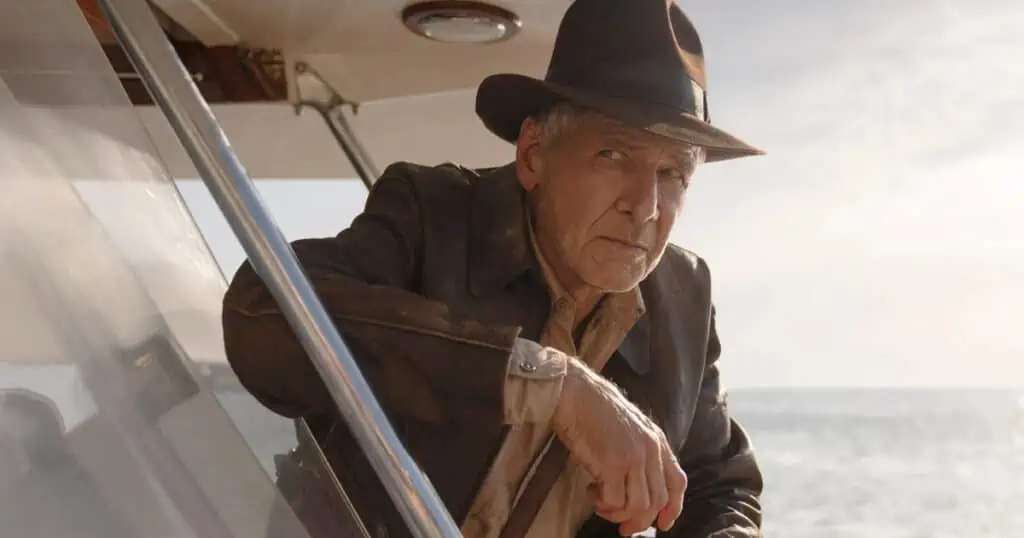
#2 – Indiana Jones and the Dial of Destiny (2023)
This one hurts. I’ll admit my bias right up front because I’m a huge supporter of this movie. I watched its box office performance every single day like someone obsessively checking a crashing stock market, hoping it would somehow turn things around. Unfortunately, it never did.
Indiana Jones and the Dial of Destiny seemed to have everything working in its favor. Harrison Ford returned for one last adventure as Indy, joined by familiar faces Karen Allen and John Rhys-Davies. The supporting cast included Phoebe Waller-Bridge, Mads Mikkelsen, Antonio Banderas, Boyd Holbrook, and Toby Jones, giving the film one of the strongest ensembles in the franchise. The creative team inspired confidence as well. Although Steven Spielberg ultimately stepped away from directing, he handed the reins to James Mangold, whose résumé already included Logan, Ford v Ferrari, and Walk the Line. John Williams returned to compose the score, while Industrial Light & Magic handled the visual effects.
In other words, Lucasfilm had assembled about as much blockbuster firepower as you could ask for. The movie also addressed one of the biggest criticisms of Indiana Jones and the Kingdom of the Crystal Skull. Rather than pretending Mutt Williams never existed, The Dial of Destiny turned his absence into one of the story’s strongest emotional beats, giving Indy a level of vulnerability we hadn’t seen before.
So what happened? For one thing, the budget spiraled out of control. Once production delays, pandemic-related costs, visual effects work, and marketing were added together, estimates placed the total investment at roughly $600 million, making it one of the most expensive movies ever produced. That meant it needed to become an absolute global phenomenon just to break even. Instead, the film finished with approximately $384 million worldwide. That’s an impressive number for most movies. For one carrying a budget this enormous, it simply wasn’t enough.
The conversation surrounding the film didn’t help either. Some viewers argued Harrison Ford was too old to play the character again. Others focused their criticism on Phoebe Waller-Bridge’s Helena Shaw before they had even seen the movie. There were also plenty of fans who believed Kingdom of the Crystal Skull should have been the franchise’s final chapter and simply weren’t interested in another sequel.
Personally? I still think this movie deserved much better. The de-aging technology during the opening sequence works surprisingly well, certainly better than many critics gave it credit for, even if the voice occasionally reminds you that Harrison Ford isn’t actually forty years younger. More importantly, the film captures something many legacy sequels struggle to find: genuine heart. Is it perfect? No. But it’s a fitting farewell to one of cinema’s greatest heroes, and I still believe history will be kinder to it than audiences were in 2023.
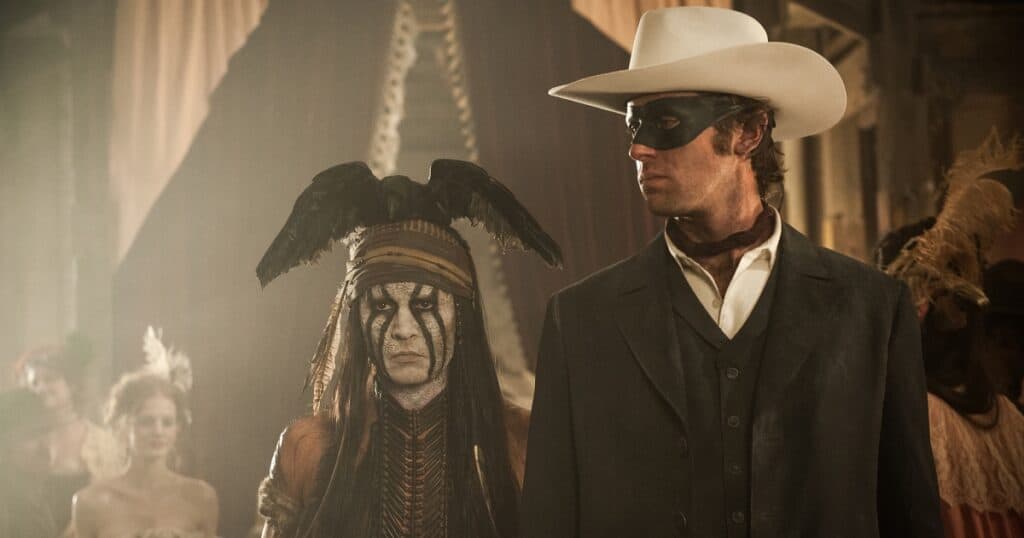
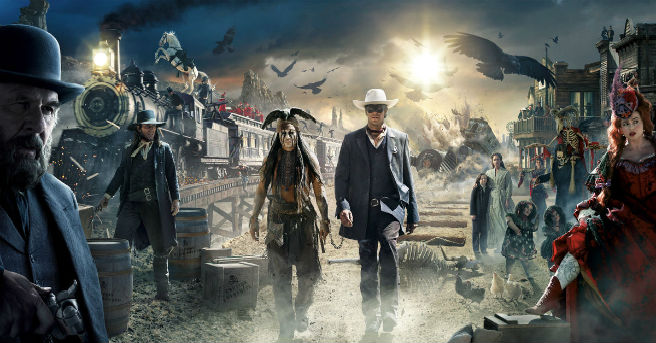
#1 – The Lone Ranger (2013)
If you’ve noticed a pattern throughout this list, you’re not imagining things. Disney appears here more than once. And no film better represents the risks of blockbuster filmmaking than our number one pick, The Lone Ranger.
Considering the talent involved, this should have been another massive hit for the studio. Director Gore Verbinski, producer Jerry Bruckheimer, and star Johnny Depp had already struck box office gold together with the Pirates of the Caribbean franchise. Pair Depp with Armie Hammer (before the controversies that would later surround him), and it seemed like Disney had another crowd-pleasing summer adventure on its hands.
Instead, lightning failed to strike twice. Production became a nightmare. The shoot was plagued by delays, wildfires, severe weather, and even the tragic death of a crew member. Costs continued climbing as schedules shifted and production became increasingly complicated.
When The Lone Ranger finally arrived in theaters on July 3, 2013, it carried one of the largest price tags in Hollywood history. To make matters worse, it opened against Despicable Me 2, which quickly became the movie audiences actually wanted to see.
The western genre wasn’t doing Disney any favors, either. Recent attempts like Wild Wild West, Cowboys & Aliens, and Jonah Hex had already struggled to convince studios that expensive westerns could still attract modern audiences. The Lone Ranger didn’t reverse that trend. It reinforced it.
Despite grossing roughly $260 million worldwide, the movie reportedly needed about $650 million just to break even after production and marketing costs. The losses were staggering. Much like John Carter before it, Disney quickly moved on, rarely mentioning the film again.
I don’t think it’s anywhere near as terrible as its reputation suggests. Sure, it’s overlong, occasionally uneven, and perhaps a little too eager to recreate the magic of Pirates of the Caribbean. But it’s also packed with impressive action sequences, gorgeous cinematography, and Verbinski’s unmistakable visual style.
Unfortunately, audiences and critics weren’t buying what Disney was selling. Sometimes that’s all it takes for a blockbuster to become a bomb. And that’s why The Lone Ranger rides away with our pick for the biggest summer box office bomb of all time.
Final Thoughts
Hollywood will never stop chasing the next billion-dollar blockbuster. Every summer, studios invest staggering amounts of money hoping to launch the next cultural phenomenon. Sometimes they succeed. Sometimes they create timeless classics. And sometimes they produce cautionary tales like the movies on this list.
Whether it’s Cutthroat Island helping sink a studio, Green Lantern failing to launch a franchise, The Flash bringing an era of DC filmmaking to a close, or The Lone Ranger becoming one of Disney’s costliest misfires, these films prove one important truth: A massive budget, recognizable stars, and endless marketing can’t guarantee audiences will show up.
The line between blockbuster and box office bomb has always been thinner than Hollywood would like to admit.
What do you think? Which summer blockbuster bomb deserved a second chance, and which infamous flop did we leave off the list? Let us know in the comments – and, as always, we’ll see you at the movies.













The comment section exists to allow readers to discuss the article constructively and respectfully, focused on the topic at hand.
What’s Not Allowed