
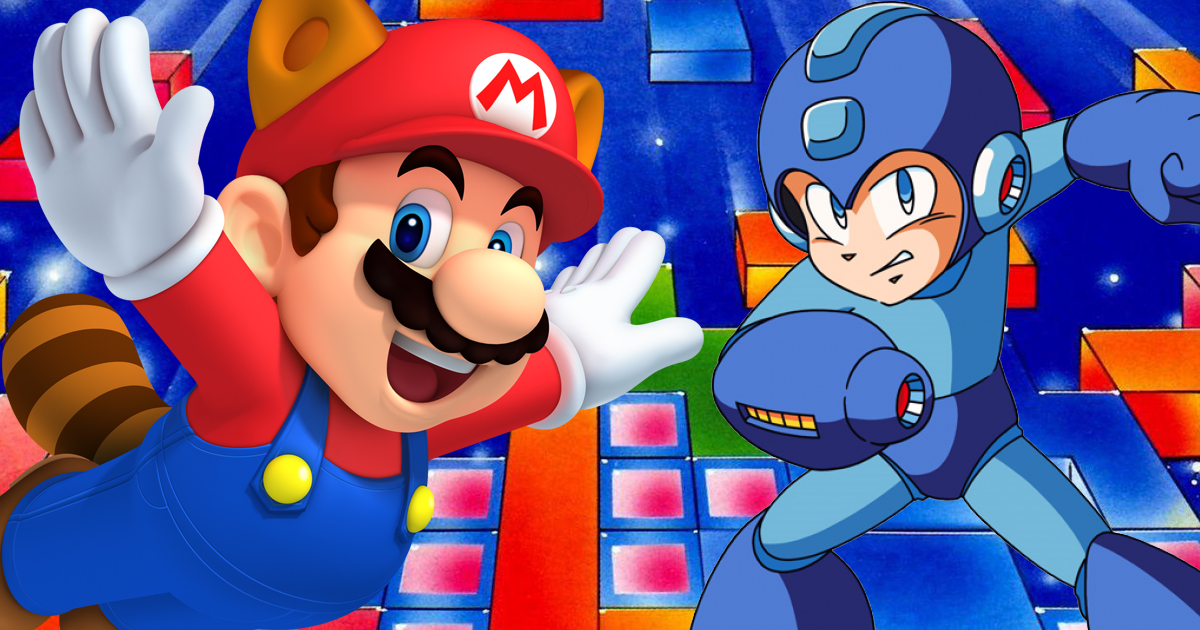

Everyone remembers their first experience with the Nintendo Entertainment System. As a child, I used to pester my neighbors to play with theirs, only for my parents to surprise me with my own on Christmas. The day I unboxed the NES, my love of video games ascended to a new level. Our Atari 2600 remained upstairs, while the basement TV became the new home of Super Mario, Duck Hunt, and Track & Field. From that day forward, I was obsessed. I played every game I could get my paws on. Whether we owned, rented, or borrowed a new title, I couldn’t stop. There was something truly special about the NES, and I’m confident that pulling together a Top 10 list of the system’s best games will be fun, agonizing, and bold. Everyone’s list is different, but I’d like to see how many will agree, meet me in the middle, or revoke my gamer card after I share the following collection of games. Let’s press Start and get into this.
Top 10 NES Games Ranked (Quick List)
- Super Mario Bros. 3 (1988) – Best overall NES game
- The Legend of Zelda (1986) – Best adventure game
- Punch-Out!! (1987) – Best sports/fighting game
- Tetris (1989) – Best puzzle game
- Castlevania III: Dracula’s Curse (1990) – Best gothic action game
- Metroid (1986) – Best exploration game
- Mega Man II (1988) – Best action platformer
- Contra (1987) – Best run-and-gun shooter
- Double Dragon (1987) – Best beat ’em up
- DuckTales (1989) – Best licensed game
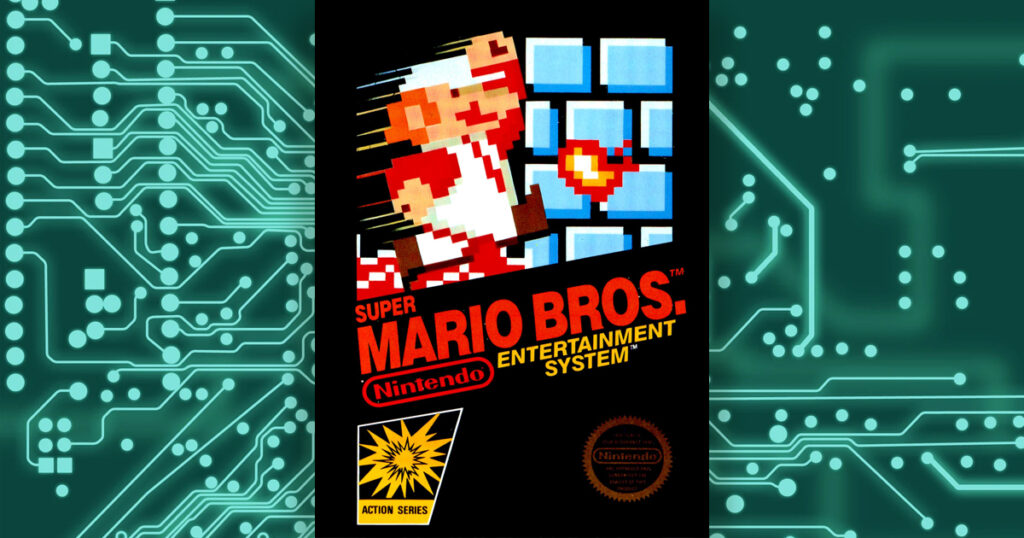
Honorable Mention: Super Mario Bros.
- Release Year: 1985
- Genre: Platformer
- Developer: Nintendo R&D4
- Publisher: Nintendo
- Director: Shigeru Miyamoto
- Producer: Takashi Tezuka
- Players: 1–2 (alternating)
- Key Gameplay Features: Side-scrolling platforming, power-up progression, hidden warp zones
- Technical Achievement: Smooth horizontal scrolling and responsive controls on NES hardware
- Legacy: Standardized the modern platformer formula and helped revive the North American video game industry after the 1983 crash
- Franchise Impact: Established Mario as Nintendo’s flagship mascot and launched one of the best-selling franchises in entertainment history
- Why It Matters: The defining NES game that set the standard for side-scrolling platformers and introduced millions of players to console gaming
Before we get to the Top 10, I want to give a shout-out to the game that started my love affair with the Nintendo Entertainment System, Super Mario Bros. Nintendo-brand video games don’t get any more iconic than this 1985 masterpiece. The tight controls, the brilliant and surprising level design, the music! I could play the entire soundtrack in my head from start to finish with impeccable recall. From World 1-1 to the Underground level, the flagpole and fireworks victory fanfare, and the hypnotic bloops of the Underwater level; it’s all so timeless and unforgettable. Everyone remembers the first time they sent Bowser to the fiery depths, or found out the princess was in another castle. Super Mario Bros. was a revelation, an awakening, and set the bar for action platformers for generations to come.
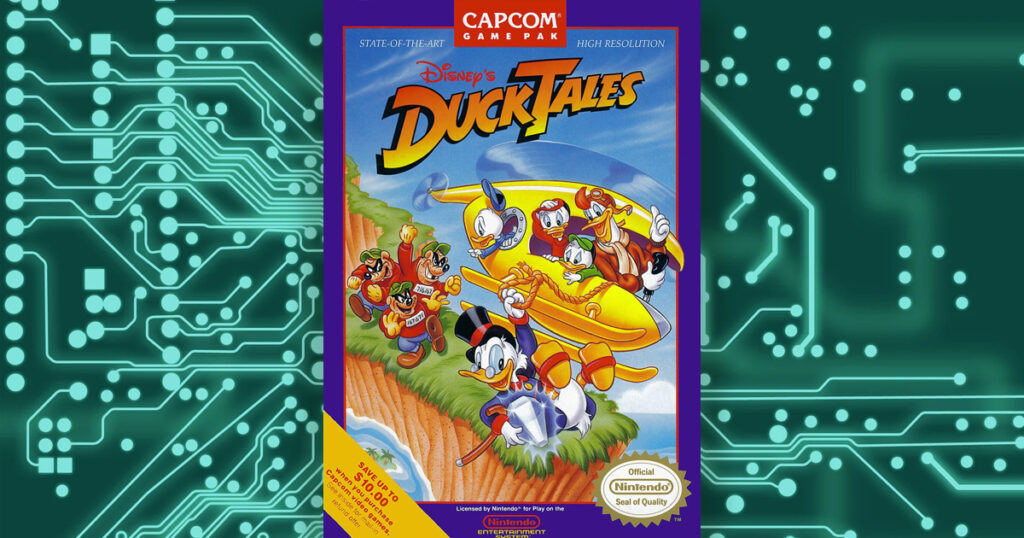
10) DuckTales
- Genre: Platformer
- Developer: Capcom
- Publisher: Capcom
- Director: Yoshihiro Sakaguchi
- Players: 1
- Key Gameplay Features: Cane-pogo traversal, nonlinear stage selection, hidden treasure collection
- Technical Achievement: Detailed sprite animation and faithful adaptation of Disney characters on 8-bit hardware
- Legacy: Frequently cited as one of the best licensed video games ever made
- Franchise Impact: Demonstrated Capcom’s ability to adapt licensed properties into critically respected games
- Influence: Helped raise expectations for licensed games during the NES era
- Why It’s Ranked: Combines polished gameplay, memorable music, and Disney charm into one of the NES’s strongest platformers
Before Capcom was getting spooky with its Resident Evil franchise, publishing the polar opposite of a “Sad Dad Game” with Pragmata, or even searching for the next World Warrior with Street Fighter 2, the studio proudly donned a pair of Mickey Mouse ears for DuckTales. Produced by key players from the Mega Man series, and based on Disney’s beloved after-school cartoon series, DuckTales lets players take control of Scrooge McDuck as he pogo-jumps through a series of outrageous environments, from African Mines to the Amazon, the Himalayas, Transylvania, and the Moon!
Using his trusty cane, Scrooge McDuck swings, jumps, bounces, and carves his way through a wide variety of enemies, from dancing snakes to Beagle Boys, and run-ins with classic villains like Flintheart Glomgold and Magica DeSpell. Capcom’s DuckTales recreates the magic of the cartoon series with high-energy hijinks and a respectable level of difficulty to keep players feeling challenged and nostalgic. Like they’re adventuring alongside one of Disney’s most iconic misers. If you’ve not played DuckTales, this is one worth saving your Lucky Pennies to own.
9) Double Dragon
- Release Year: 1987
- Genre: Beat ’em up
- Developer: Technōs Japan
- Publisher: Technōs Japan
- Director: Yoshihisa Kishimoto
- Players: 1–2
- Key Gameplay Features: Cooperative combat, environmental weapons, side-scrolling brawler action
- Technical Achievement: Brought arcade-style cooperative fighting gameplay to home consoles
- Legacy: Defined the blueprint for the beat ’em up genre alongside later games like Final Fight and Streets of Rage
- Franchise Impact: Spawned sequels, crossover games, and animated adaptations
- Influence: Popularized cooperative action gameplay in arcades and on consoles
- Why It’s Ranked: A foundational side-scrolling brawler with simple but addictive combat
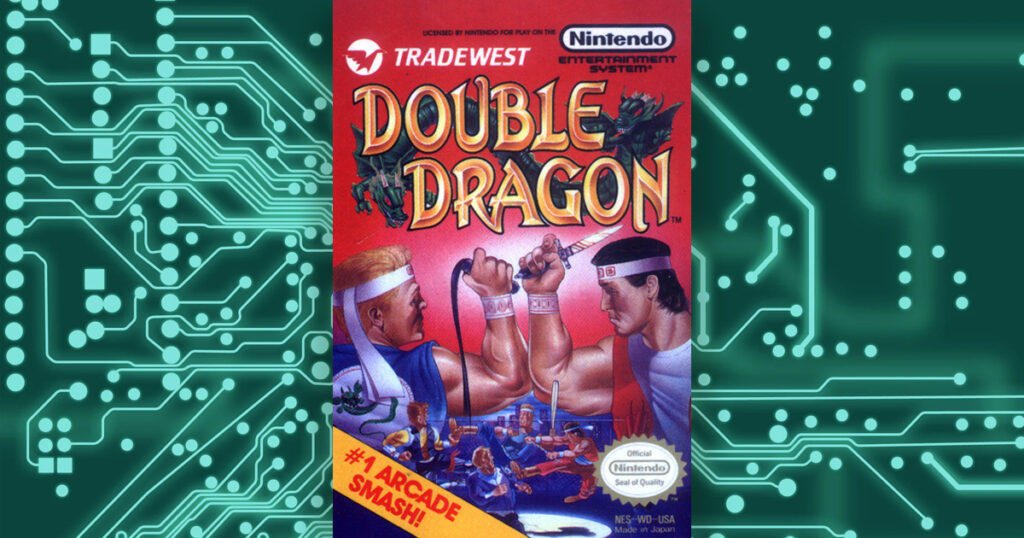
If you’re a fan of beat ’em games like Streets of Rage, Final Fight, and Teenage Mutant Ninja Turtles: Turtles in Time, you owe a debt to Double Dragon, the simple but satisfying street brawler starring Billy Lee and Jimmy Lee, two brothers protecting their city after Billy’s girlfriend, Marian, is kidnapped by a gang of muscle-bound toughs. Using an uncomplicated combat system, Billy and Jimmy fight their way through the rundown neighborhoods, warehouses, woods, and hideouts that make up Metro City.
Simple in its execution, Double Dragon provides hours of couch co-op fun, and even a versus mode where you can assume the identities of enemy characters like Abobo, Willy, Linda, and more. In addition to using your fists, Double Dragon scatters weapons around the city, such as bats (my favorite), oil drums, whips, rocks, tonfas, and nunchucks. The game offers a challenging experience while keeping the action coming with hordes of enemy characters to dispatch, while keeping the streets safe for anyone brave enough to explore an 8-bit metropolis where it feels like the Gramercy Riffs, The Lizzies, the Baseball Furies, or the Punks from The Warriors could emerge from a steam-choked alleyway at any moment.
8) Contra
- Release Year: 1987
- Genre: Run-and-gun shooter
- Developer: Konami
- Publisher: Konami
- Director: Hidenori Maezawa
- Players: 1–2
- Key Gameplay Features: Cooperative shooting, multidirectional combat, weapon upgrades
- Technical Achievement: Fast-paced action with minimal slowdown and varied gameplay perspectives
- Legacy: Became one of the defining hardcore action games of the NES generation
- Franchise Impact: Established Contra as one of Konami’s premier action franchises
- Influence: Inspired later cooperative shooters including Metal Slug and Gunstar Heroes
- Notable Feature: Popularized the “Konami Code” among mainstream gaming audiences
- Why It’s Ranked: Delivers relentless action, memorable bosses, and legendary co-op gameplay
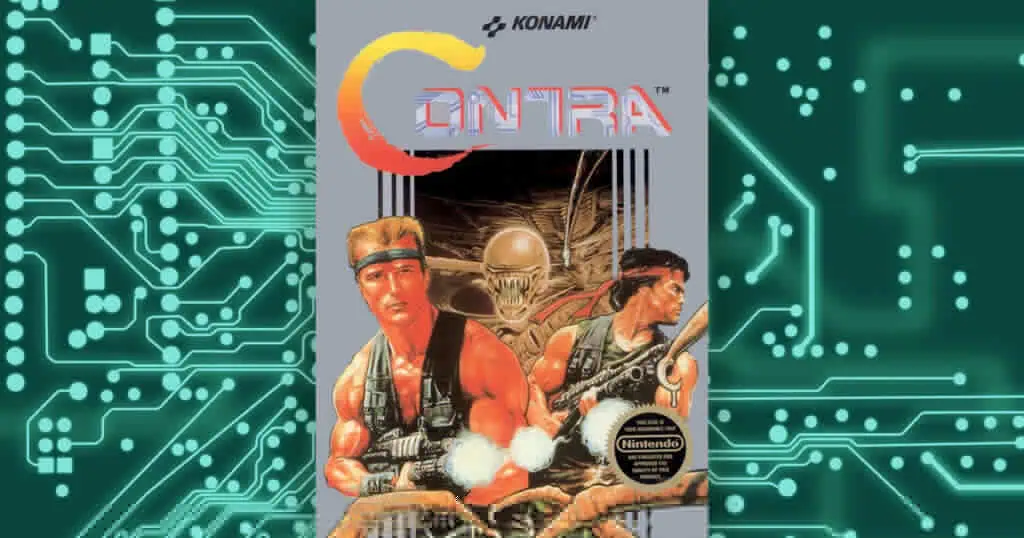
Up, up, down, down, left, right, left, right, B, A, Start! Now we’re ready to take on Konami’s 1987 run-and-gun game that never lets up, Contra! Hailed as one of the best action games ever made, Contra is a non-stop action adventure with multiple perspectives, inspired weapon variety (for the time), and larger-than-life bosses that set the bar for the genre for generations to come.
While making your way through jungles, Technodrome-like bases, snowy fields, hangars, and an insidious alien lair, Contra demands all of your attention as enemies try to kill you from every angle. It’s one of the most engaging shooters on the NES, especially as you search for that special power-up that changes the game, like the Spread Gun, the Laser Rifle, or the Flame Thrower. No matter how aware you are of your surroundings, enemy fire in Contra can always surprise you, taking you off the board without warning, making you glad you entered the code to give yourself 30 lives. You’re going to need them!
7) Mega Man II
- Release Year: 1988
- Genre: Action platformer
- Developer: Capcom
- Publisher: Capcom
- Director: Akira Kitamura
- Composer: Takashi Tateishi
- Players: 1
- Key Gameplay Features: Weapon-copying system, nonlinear boss order, precision platforming
- Technical Achievement: Improved sprite design, smoother controls, and one of the NES’s most celebrated soundtracks
- Legacy: Widely considered the peak of the classic Mega Man formula
- Franchise Impact: Elevated Mega Man into one of Capcom’s signature franchises
- Influence: Influenced countless action-platform games emphasizing pattern recognition and player mastery
- Why It’s Ranked: Perfected the core gameplay systems introduced in the original Mega Man
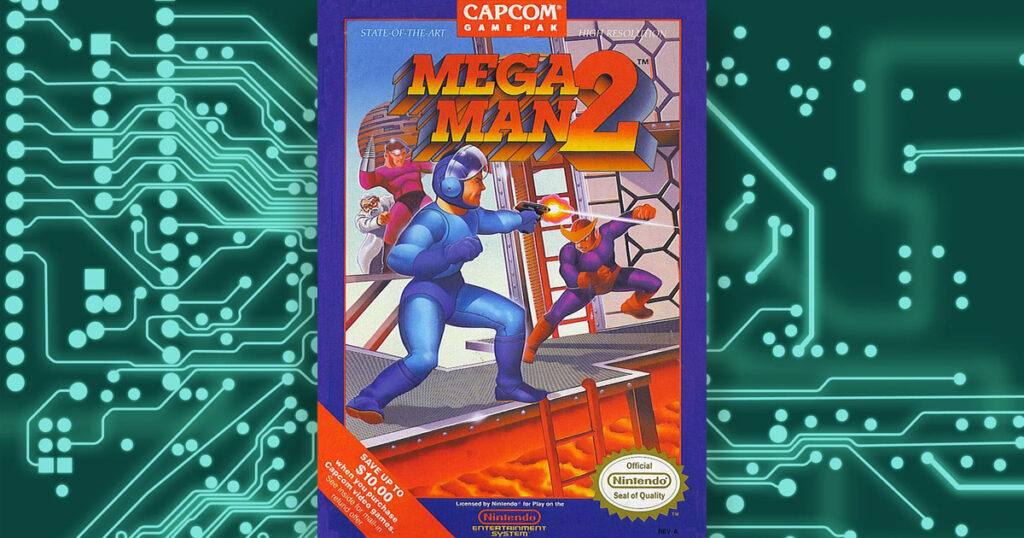
Despite poor sales for the 1987 original, Capcom greenlit Mega Man II, a sequel that would help launch an expansive franchise with more spin-offs, remakes, and stand-alone adventures than I can track. Still, of all the entries to grace the Nintendo Entertainment System, Mega Man II was the ultimate adventure for the iconic Blue Bomber, with robot bosses like Metal Man, Air Man, Bubble Man, Quick Man, Crash Man, Flash Man, Heat Man, and Wood Man aiding Dr. Wily in his pursuit to prove his intellectual superiority to his nemesis, Dr. Light.
Using precision jumps, energy tanks, gadgets, and a little help from his friends, Mega Man II finds the title character honing his side-scrolling skills for an incredibly challenging mission that tests players’ abilities, reaction times, pattern recognition, and patience. Beyond the game’s pulse-pounding action and intrepid lead character, the soundtrack for Mega Man II, composed by Takashi Tateishi, is a definitive example of chiptune perfection. Mega Man walked so Mega Man II could run headlong into certain doom, establishing a blueprint for side-scrolling action platformers to follow until this day. I’m certain I invented a few new curse words while playing Mega Man II back in the day, but damn, I had fun.
6) Metroid
- Release Year: 1986
- Genre: Action-adventure / exploration
- Developer: Nintendo R&D1
- Publisher: Nintendo
- Director: Satoru Okada, Yoshio Sakamoto
- Players: 1
- Key Gameplay Features: Nonlinear progression, hidden upgrades, atmospheric exploration
- Technical Achievement: Large interconnected map design on limited hardware
- Legacy: Co-created the “Metroidvania” genre later expanded by Castlevania: Symphony of the Night
- Franchise Impact: Introduced Samus Aran, one of gaming’s most iconic protagonists
- Influence: Helped establish exploration-driven progression systems in modern game design
- Why It’s Ranked: A groundbreaking adventure that rewarded curiosity and experimentation
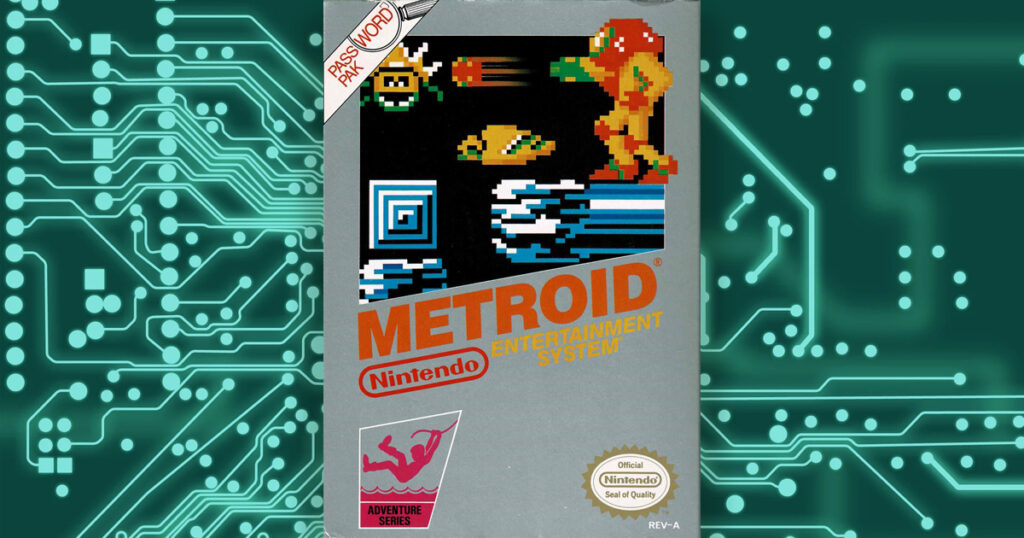
While not Nintendo’s most popular franchise, Metroid’s genius and influence are impossible to ignore. This 1988 gem introduced players (and gooners) to Samus Aran, a mysterious adventurer searching for the predatory Metroid organisms stolen by Space Pirates. As a silent, helmeted protagonist, Samus’ identity remained a secret until the end of the game. When Nintendo revealed that Samus is female, it gave insecure dudes a near-heart attack and female gamers an Ellen Ripley-like character to cheer for. This princess (of our hearts) was not in another castle; she was in the shit, blasting aliens in the face and solving intricate environmental puzzles. Be still, my heart.
Metroid started as a quiet crowd-pleaser but eventually helped pave the way for the Metroidvania genre, a type of game in which progress is limited until players find specific items, abilities, or power-ups to help them advance. Without the internet to act as a compass, Metroid tested players’ ability to navigate a strange alien world while vaporizing enemies, uncovering secrets, and solving maze-like puzzles with limitless potential. The gaming community owes so much to Metroid, and I can’t imagine the next several decades of gaming without it.
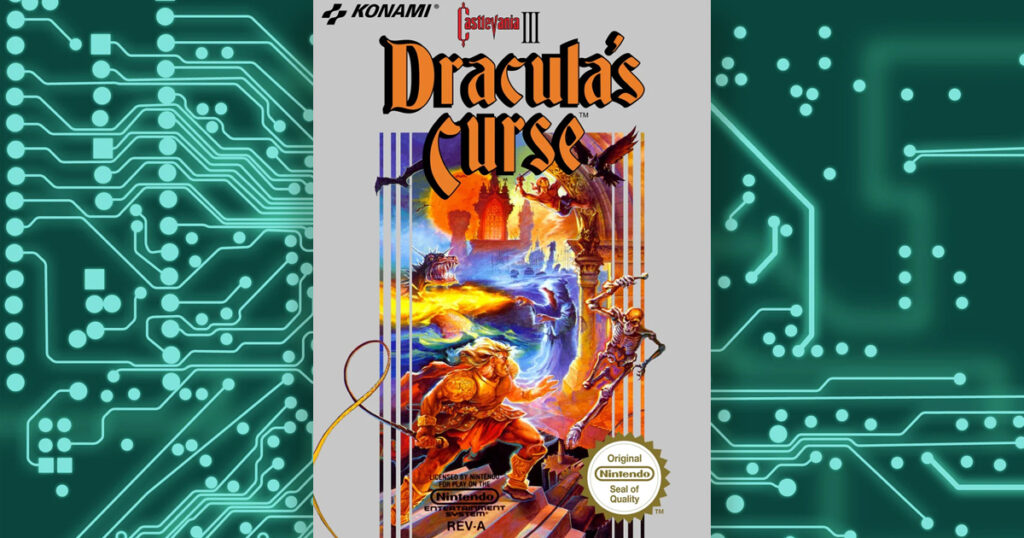
5) Castlevania III: Dracula’s Curse
- Release Year: 1990
- Genre: Action platformer
- Developer: Konami
- Publisher: Konami
- Director: Hitoshi Akamatsu
- Players: 1
- Key Gameplay Features: Branching routes, companion characters, alternate endings
- Technical Achievement: Advanced music and visual effects through Konami’s custom VRC6 chip in the Japanese version
- Legacy: Considered one of the strongest classic-era Castlevania titles
- Franchise Impact: Introduced fan-favorite characters including Alucard
- Influence: Expanded cinematic storytelling and replayability in side-scrolling action games
- Why It’s Ranked: Refined and expanded the Castlevania formula with greater depth and variety
In 1987, Konami introduced NES players to Simon Belmont, a whip-cracking vampire slayer with a one-way ticket to Dracula’s Castle. In 1988, Castlevania II: Simon’s Quest would become one of the most frustrating games ever made. Then, in 1990, Castlevania III: Dracula’s Curse perfected the Castlevania formula, resulting in one of the best entries in the long-running side-scrolling action adventure series.
What makes Castlevania III stand out is the game’s introduction of branching paths and multiple playable characters. The game was simultaneously a return to form and an evolution of the series, setting the series’ tone and gameplay loop for generations to come. Featuring Trevor Belmont, Sypha Belnades, Grant Danasty, and the fan-favorite character, Alucard, Castlevania III: Dracula’s Curse changes its ending depending on who Trevor chooses to team up with. The game offers an incredible amount of variety for the time, giving players alternate ways to interact with an atmospheric, Gothic world. Dracula’s Curse might not be Castlevania: Symphony of the Night, but it’s one of the strongest pillars of a timeless franchise that stands the test of time.
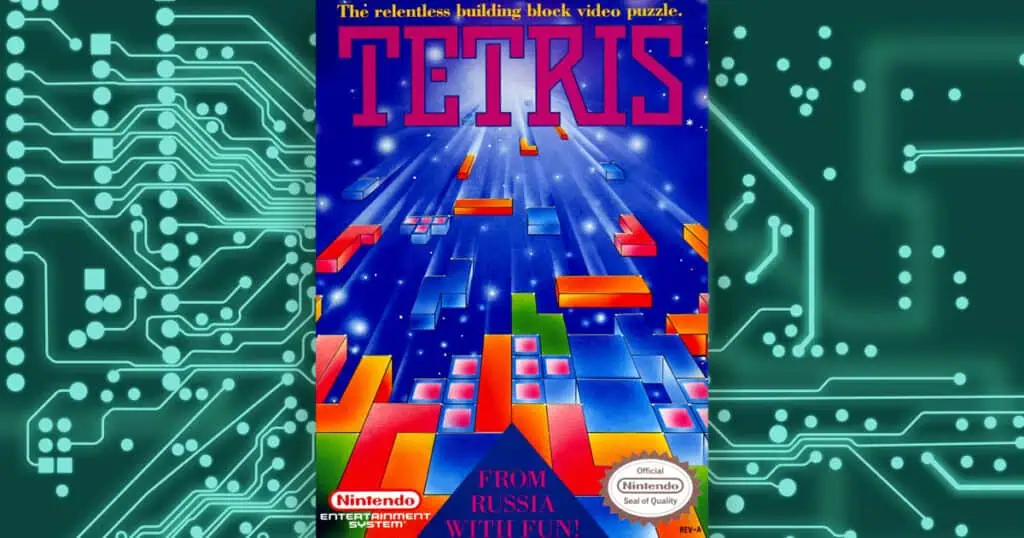
4) Tetris
- Release Year: 1989 (NES version)
- Genre: Puzzle
- Developer: Nintendo
- Original Creator: Alexey Pajitnov
- Publisher: Nintendo
- Players: 1–2
- Key Gameplay Features: Falling-block puzzle mechanics, escalating speed, score chasing
- Technical Achievement: Elegant design built around simple but endlessly replayable mechanics
- Legacy: One of the most influential puzzle games in history
- Franchise Impact: Spawned countless adaptations and competitive scenes across multiple generations
- Influence: Established the universal design language for modern puzzle games
- Why It’s Ranked: Timeless gameplay design with unmatched replayability and accessibility
Released on the NES in 1989, Tetris is the ultimate high-tension puzzle game for individuals who enjoy strategic, clever, and frantic gameplay. Inspired by Alexey Pajitnov’s 1985 game, Tetris challenges players to test their reflexes as puzzle pieces fall into a confined space. When positioned correctly, the pieces form a line; those lines then fade away, making room for more. The more lines you make, the faster the game gets, building toward an onslaught of shapes that threaten the flow and integrity of the puzzle board.
Much like Super Mario Bros., the music in Tetris is as iconic as it comes. Anyone who’s played the game can sing its hypnotic earworms for hours. As the gameplay speeds up, so does the tempo of these unforgettable tunes, creating an urgency unrivaled by most puzzle games. Tetris is another series with countless sequels that introduce new game mechanics, but there’s nothing like the original.
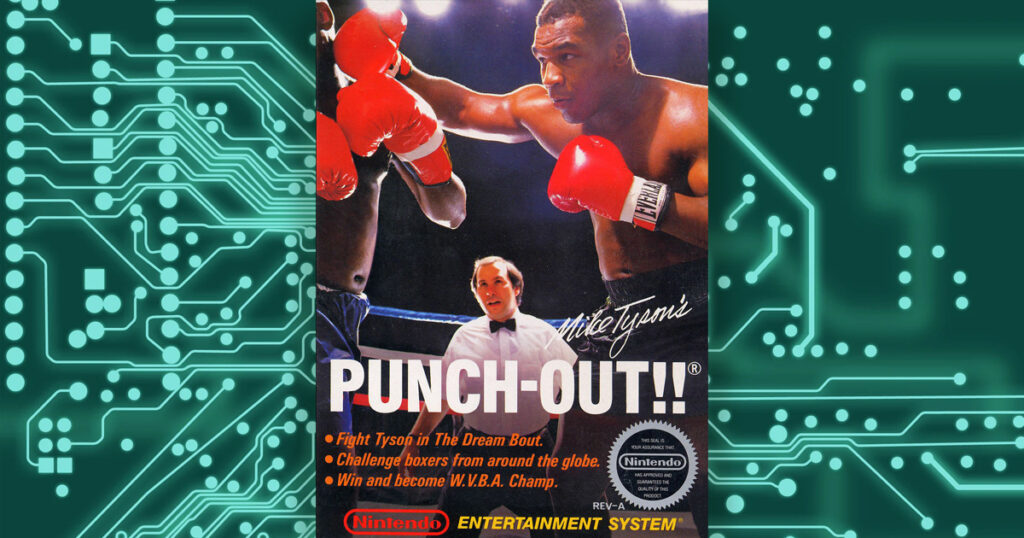
3) Punch-Out!!
- Release Year: 1987
- Genre: Sports/boxing
- Developer: Nintendo R&D3
- Publisher: Nintendo
- Designer: Genyo Takeda
- Players: 1
- Key Gameplay Features: Pattern-recognition combat, reaction-based dodging, cinematic opponent design
- Technical Achievement: Large animated character sprites and expressive visual presentation
- Legacy: Frequently listed among the greatest sports games ever made
- Franchise Impact: Cemented Little Mac as a recognizable Nintendo character
- Influence: Popularized reflex-driven combat systems centered on memorization and timing
- Why It’s Ranked: Combines strategic gameplay depth with unforgettable opponents and presentation
Originally titled Mike Tyson’s Punch-Out!!, this relentlessly entertaining sports title brings the sweaty stick-and-move thrills of the 1987 arcade game home, with the former undisputed heavyweight champion, Mike Tyson, as the final boss. Considered by many to be one of the greatest video games of all time, Punch-Out!! follows an up-and-coming boxer named Little Mac through the ranks of the World Video Boxing Association. While plenty of conversation revolves around the game’s unflinching stereotypes of boxers from across the globe, Punch-Out!! remains a digital endurance test of skill, reaction time, pattern recognition, and memorization.
Little Mac, who is constantly at a disadvantage compared to his opponents, is the ultimate underdog with a burning desire to prove his worth as he floats like a butterfly and stings like a bee against fighters like Glass Joe, Von Kaiser, Piston Honda, Don Flamingo, King Hippo, Great Tiger, Bald Bull, Soda Popinski, Mr. Sandman, Macho Man, and Mike Tyson. While each fighter has a tell, Tyson could send Little Mac to the mats with one punch, making Tyson a formidable opponent and then some. If you’re savvy, you’ll press the Select button between rounds to give yourself a boost from your dedicated trainer, Doc Louis. Like many NES games, Punch-Out!! includes a banging soundtrack. It doesn’t get any better than Little Mac’s training music or the fight theme that welcomes every match. Punch-Out!! is fun to play, but it’s even more fun to master, making it one of the best NES titles bar none.
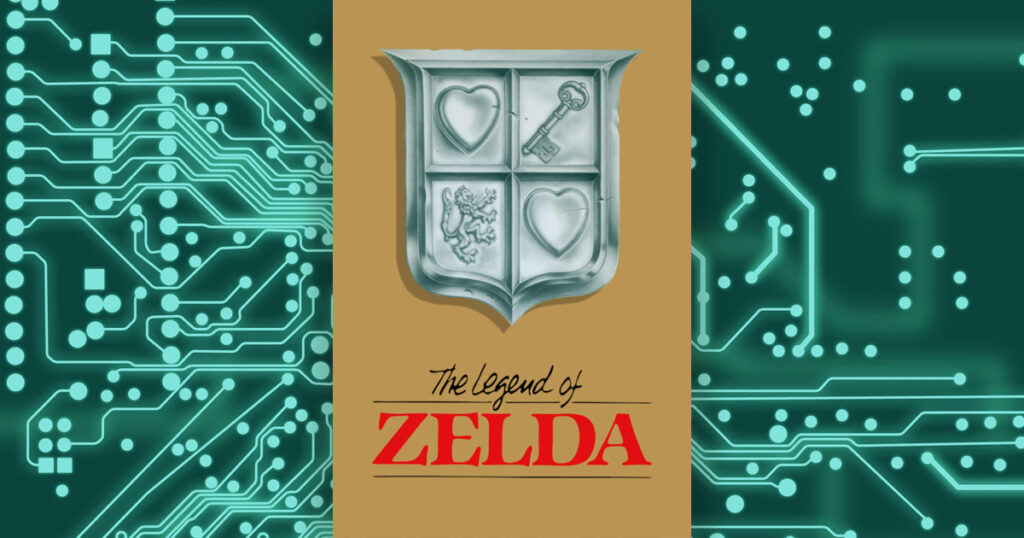
2) The Legend of Zelda
- Release Year: 1986
- Genre: Action-adventure
- Developer: Nintendo R&D4
- Publisher: Nintendo
- Director: Shigeru Miyamoto, Takashi Tezuka
- Players: 1
- Key Gameplay Features: Open-world exploration, dungeon progression, item-based advancement
- Technical Achievement: Included battery-backed save functionality for persistent progress
- Legacy: Revolutionized action-adventure game design through player-driven exploration
- Franchise Impact: Launched one of Nintendo’s most critically acclaimed series
- Influence: Inspired decades of exploration-focused game design across genres
- Why It’s Ranked: Encouraged experimentation, discovery, and nonlinear adventure unlike anything before it
With a film adaptation from director Wes Ball due to arrive in 2027, The Legend of Zelda is quintessential gaming alongside any Super Mario title. The first entry in this legendary series is still one of its best, by encouraging players to explore a vast overworld map and dungeons in ways that make trial-and-error a part of the fun. Anyone who plays The Legend of Zelda will never forget the first time they burned a bush to find a hidden staircase underneath, or when a seemingly random bomb revealed a path to game-changing secrets or special equipment.
Since The Legend of Zelda‘s release, there have been 21 games in the core franchise, with countless spin-offs expanding the series, including musou fighting games, open-world epics, and a rhythm-based game called Cadence of Hyrule from the makers of Crypt of the Necrodancer. Still, few NES experiences compare to the feeling of navigating the Lost Woods, finding the Master Sword, or discovering a much-needed fairy sanctuary when your final heart is about to break. The Legend of Zelda franchise has grown by leaps and bounds in the decades since, but you never forget your first.
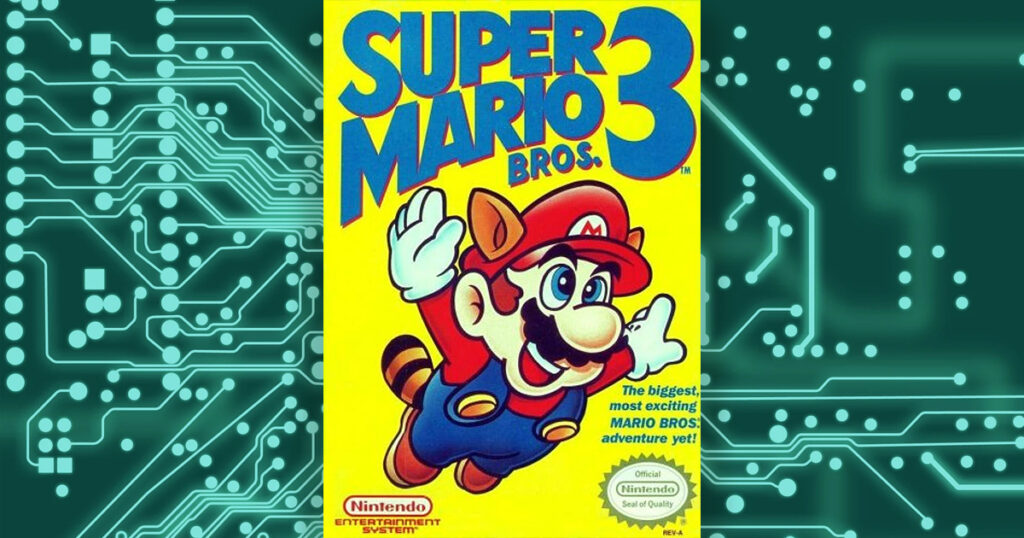
1) Super Mario Bros. 3
- Release Year: 1988
- Genre: Platformer
- Developer: Nintendo R&D4
- Publisher: Nintendo
- Director: Shigeru Miyamoto
- Players: 1–2 (alternating)
- Key Gameplay Features: World maps, expanded power-up system, hidden secrets, varied level themes
- Technical Achievement: Pushed NES hardware with advanced scrolling, animation, and level variety
- Legacy: Widely considered one of the greatest video games ever made
- Franchise Impact: Expanded the Mario formula into a deeper and more ambitious experience
- Influence: Became a benchmark for platform game design and sequel evolution
- Notable Power-Ups: Raccoon Mario, Frog Suit, Tanooki Suit
- Why It’s Ranked: Represents the peak of 8-bit Nintendo game design with near-perfect creativity and execution
If you were a child of the ’80s, it’s impossible to forget the first time you saw Super Mario Bros. 3 debut in Todd Holland’s 1989 road trip comedy The Wizard. Kids begged their parents to take them to the cinema, frothing at the mouth to catch a glimpse of Mario’s latest adventure, and the game did not disappoint. I still recall playing Super Mario Bros. 3 early, when I rented a Japanese import of the game from a shady video store in Long Island, New York. The cartridge was powder blue with a thick gold ribbon hanging from its edge. I rented that puppy without question and felt like I was the most powerful child in the world, playing it before anyone else after seeing The Wizard in theaters. It was a magical time. Shout out to shady video rental stores!
While Super Mario Bros. remains iconic, Super Mario Bros. 3 was magical, taking the franchise to new heights with new abilities, unbelievable new worlds, a deceptive challenge curve, and an overworld map that demanded exploration. The secrets were limitless, as Mario uncovered mushroom houses where you could acquire power-ups, played warp whistles that would whisk him to parts unknown, and ducking behind objects would make you fall through the level, revealing alternate paths to victory.
Super Mario Bros. 3 is the ultimate Mario game on the NES, and the best game on the system overall. When the game came out, talk of its genius was relentless, and controllers were passed around like hot potatoes so everyone at the party could get a taste. The game still bangs to this day, and remains a flawless example of the Nintendo Entertainment System at peak greatness.
Best NES Games by Genre
Best Platformers:
- Super Mario Bros. 3
- Mega Man II
- DuckTales
Best Sports Game:
- Punch-Out!!
Best Beat ‘Em Up Game:
- Double Dragon
Best Action Games:
- Contra
- Castlevania III
Best Adventure Games:
- The Legend of Zelda
- Metroid
Best Puzzle Game:
- Tetris
FAQ: NES Games
What is the best NES game of all time?
Many consider Super Mario Bros. 3 the best due to its gameplay depth, level design, and lasting impact.
What was the most popular NES game?
Super Mario Bros. and Super Mario Bros. 3 are among the best-selling and most influential.
How many NES games were released?
Over 700 officially licensed games were released for the NES.
What genres were popular on NES?
Platformers, action-adventure games, beat ’em ups, and puzzle games dominated the system.
These NES games were ranked based on:
- Historical influence on the gaming industry
- Gameplay innovation and mechanical depth
- Replay value and long-term appeal
- Cultural impact and franchise legacy
- Technical achievement on NES hardware
- Critical reputation and player reception
| Rank | Game | Release Year | Genre | Developer | Publisher | Players | Key Innovation | Cultural / Industry Impact |
|---|---|---|---|---|---|---|---|---|
| 1 | Super Mario Bros. 3 | 1988 | Platformer | Nintendo R&D4 | Nintendo | 1–2 (alternating) | World map progression and expanded power-up system | Widely regarded as one of the greatest platformers ever made |
| 2 | The Legend of Zelda | 1986 | Action-adventure | Nintendo R&D4 | Nintendo | 1 | Open-ended exploration and battery save system | Helped establish the action-adventure genre |
| 3 | Punch-Out!! | 1987 | Sports/boxing | Nintendo R&D3 | Nintendo | 1 | Pattern-recognition combat design | Became one of Nintendo’s most recognizable sports titles |
| 4 | Tetris | 1989 | Puzzle | Nintendo | Nintendo | 1–2 | Endless escalating puzzle gameplay | One of the most influential puzzle games ever created |
| 5 | Castlevania III: Dracula’s Curse | 1990 | Action platformer | Konami | Konami | 1 | Branching paths and multiple playable characters | Expanded the cinematic style of the Castlevania franchise |
| 6 | Metroid | 1986 | Action-adventure | Nintendo R&D1 | Nintendo | 1 | Nonlinear exploration and ability-gated progression | Helped define the “Metroidvania” genre |
| 7 | Mega Man II | 1988 | Action platformer | Capcom | Capcom | 1 | Weapon-copying boss system refinement | Elevated Mega Man into a flagship Capcom franchise |
| 8 | Contra | 1987 | Run-and-gun shooter | Konami | Konami | 1–2 | Fast-paced co-op shooting and weapon upgrades | Set the template for console action shooters |
| 9 | Double Dragon | 1987 | Beat ’em up | Technōs Japan | Technōs Japan | 1–2 | Cooperative side-scrolling combat | Popularized the beat ’em up genre on home consoles |
| 10 | DuckTales | 1989 | Platformer | Capcom | Capcom | 1 | Cane-pogo traversal mechanics | Became a benchmark for licensed games |
The NES wasn’t just a console, it was the foundation of modern gaming. From genre-defining platformers to punishing action games and endlessly replayable classics, these titles shaped what video games would become for decades. Whether you grew up with the system or discovered it later, the best NES games remain timeless.
What do you think about our Top 10 Nintendo Entertainment System Games list? What’s your Top 10 list look like? Leave a comment below and let us know what your favorite games for the NES are!















The comment section exists to allow readers to discuss the article constructively and respectfully, focused on the topic at hand.
What’s Not Allowed