
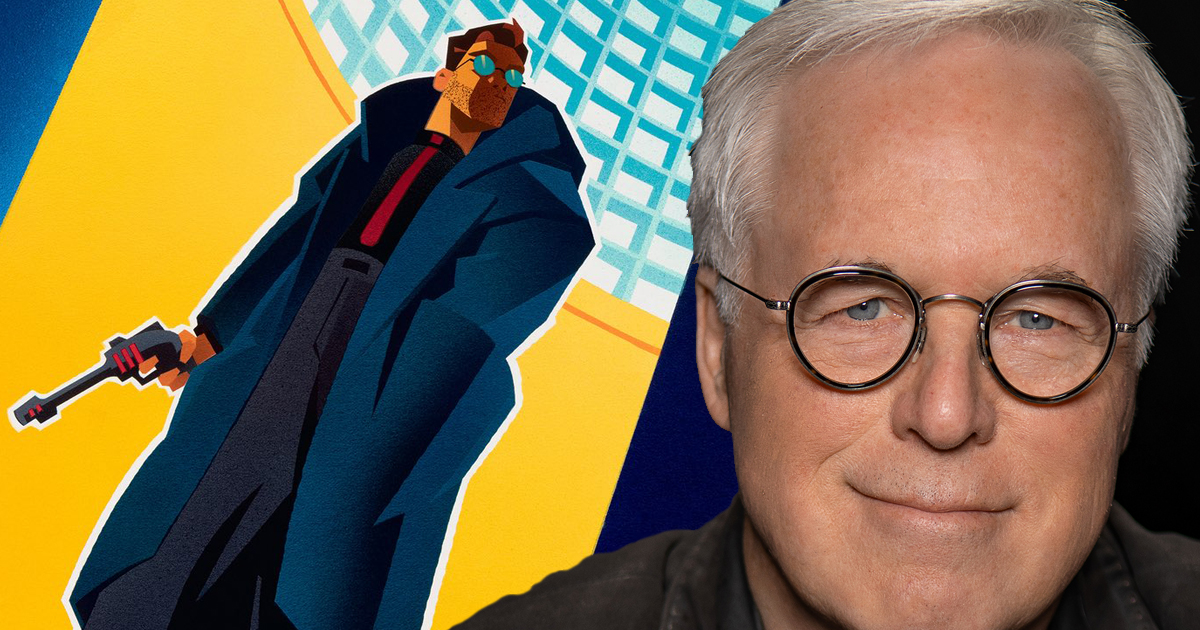
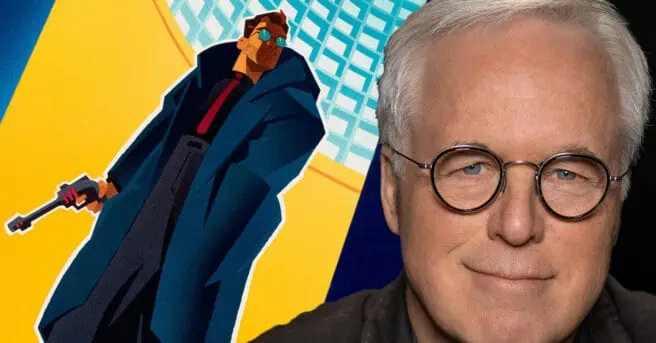
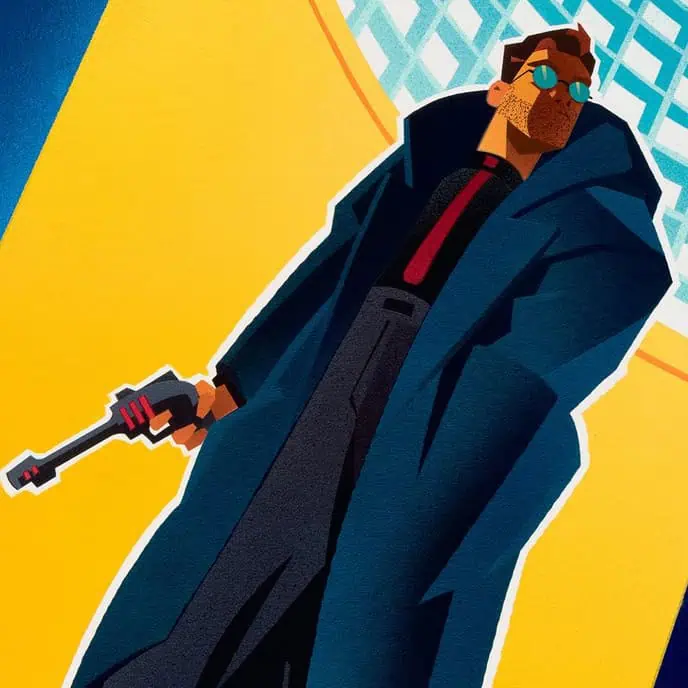
For the past 30 years, Brad Bird’s adult-animated noir epic, Ray Gunn, has lingered like a sultry brass riff swirling through a smoky jazz bar. While the project spent decades on the back burner, Bird is finally ready to show the world what he’s been dreaming up.
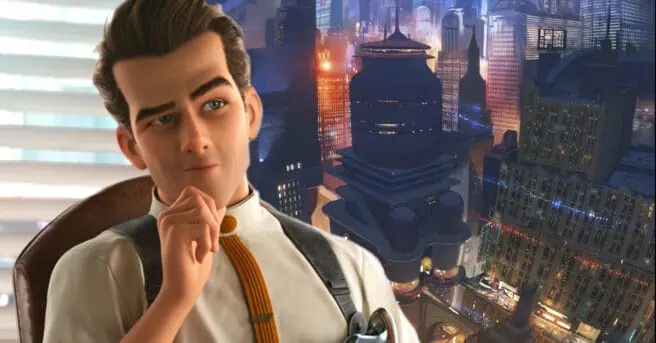
In July, I traveled to Netflix Animation Studios in Burbank, California, for an in-depth, behind-the-scenes look at Ray Gunn. What I saw was a swaggering, animated love letter to 1940s cinema set in a vibrant, retro-futuristic world. Among the day’s presentations, I had the chance to sit down one-on-one with Bird himself—a career milestone I won’t soon forget. We discussed Ray Gunn in depth, and I invite you to pull up a chair and join us.
Brad Bird talks Ray Gunn
JoBlo: 30 years is a long time to dedicate to anything. What is it about Ray Gunn that inspired that level of excitement and commitment?
Brad Bird: The truth of the matter is, I could tell you about three or four other ideas I want to make before I die, and I’m just as committed to those as I am to Ray Gunn. It took so much effort to get people to see what I saw in it [Ray Gunn]. It is flabbergasting to me because sometimes it was treated like a weird art film, as if it didn’t go well with popcorn, which is how I see it. It was treated like this oddball thing. It’s like they were saying, ‘Why does he want to make it?’ It’s like The Maltese Falcon. Is that not cool? Is Chinatown not cool?
JoBlo: Does society’s dependency on automation and AI make you think that now is the perfect time to present a movie like Ray Gunn?
Brad Bird: People are going to feel like it’s more current than it really is, and that’s fine with me. The stuff the movie brings up was valid three decades ago. You know, anything having to do with the positive and negative aspects of technology, because humans are always inventing things, not knowing what the effect will be. Usually, people create things to improve, but there’s some underbelly to it that’s nasty. Like, Steve Jobs would have been really surprised at the negative effects of social media. I think he would go, ‘I was trying to make something cool and useful, and look at all the ways it’s being misused.’ He would be trying to address it, though, because he had that kind of mind. The issues the movie raises will feel current, but they’re also classic problems.
JoBlo: Speaking of the future, Ray Gunn is giving retro-futurism vibes. Where do your visions of the future come from?
Brad Bird: It’s all connected to when I was a kid. This is anything after World War II, when the atomic bomb was hanging over your head. All of that needs to be addressed first. Still, generally, the vibe that I had was that the future was going to be amazing. We were all going to have jetpacks, and it was going to be great. I tend to think of the future I want. I understand why everyone goes to the apocalypse, because it seems like we’re constantly digging ourselves further into a hole rather than getting out of it.
There’s something about taking the optimistic view of the future utopia rather than, you know, the apocalyptic view, and having desperate characters still trying to lie, cheat, and do all the things that people do, but in a more utopian atmosphere. There’s something funny about that juxtaposition. I wanted the futurism, but I wanted it to be a detective movie, and wanted the futurism to be saturated in the period that’s most connected with detective films and film noir. I’ve seen detective movies, and I’ve seen science-fiction futurism of different stripes, but I’d never seen those specifically together in that particular way.
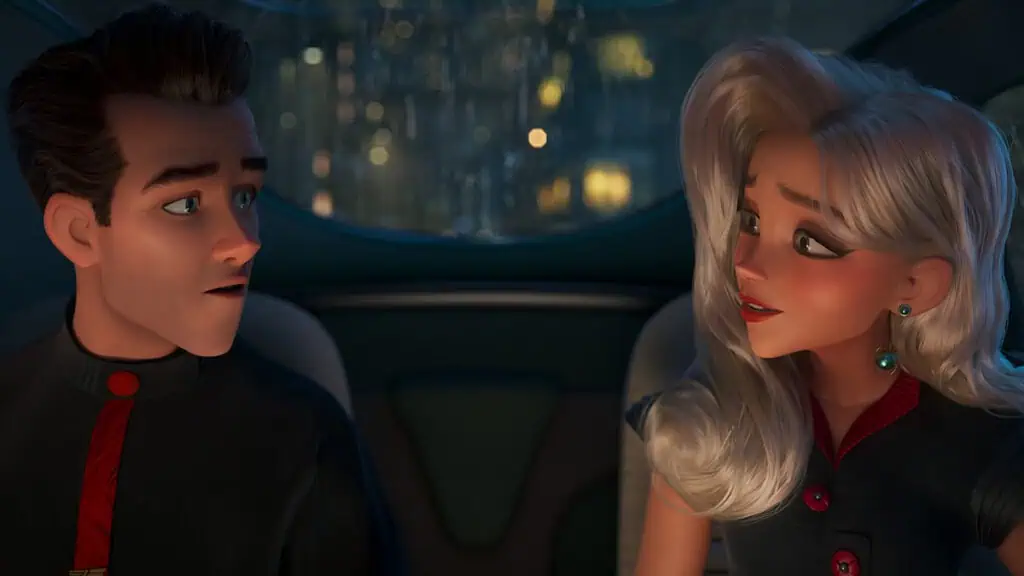
JoBlo: I’ve read that Ray Gunn was initially conceived as a 2D animated film. How challenging was it to rebuild it in high-end CG?
Brad Bird: It wasn’t. A hand-drawn version would have been amazing, but there was no adjustment, as I’d done my last three films in CG and there are aspects of that format I really like. One of the things I love about cinema is shot progression and how it affects the way you see and feel things. The rhythm’s constantly changing, blending shots that lead you from one thing to another—the syntax of cinema.
CG enables some really interesting effects, and I love the overall look of this movie. Sometimes, with CG, you can lose a bit of that hand-drawn feeling. But with this movie, the first half hour feels lived-in and tactile. I love the textures we saw earlier today [referring to the half-hour preview].
The film keeps going. It escalates.
JoBlo: Can you give me a list of must-see movies for people to watch before experiencing Ray Gunn?
Brad Bird: Jacques Tourneur’s Out of the Past, The Maltese Falcon, and Chinatown. Oh, and Casablanca, like at the end, when he [Humphrey Bogart] gives the famous speech and the plane starts up. You have these great close-ups of them looking at each other, the rhythm of that, and the emotion on their faces, and the music with those angles and that cutting pattern, just, I mean, that’s the best argument for cinema.
JoBlo: What are some of the challenges you faced while making Ray Gunn?
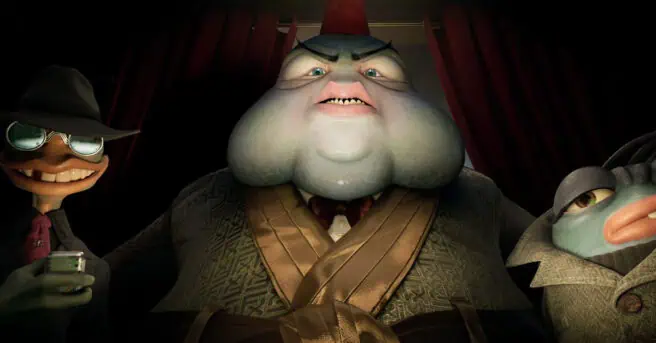
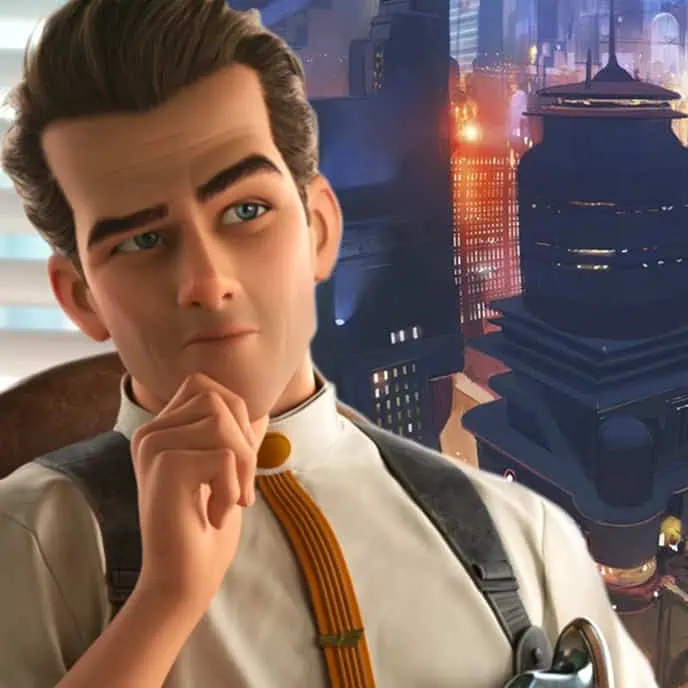
Brad Bird: One thing that surprised me, and yet I knew about it fairly early, was when Tony Focule was designing the characters. It’s easy to undercook or overcook these characters. The Incredibles are more stylized. You know who they are from a mile away. These characters are not like that. It was really easy to be “off,” and the challenge was making them caricatured enough to be interesting, but not so much that you wouldn’t believe them emotionally, and getting the balance right so you could get all the juice out of them without it becoming too much.
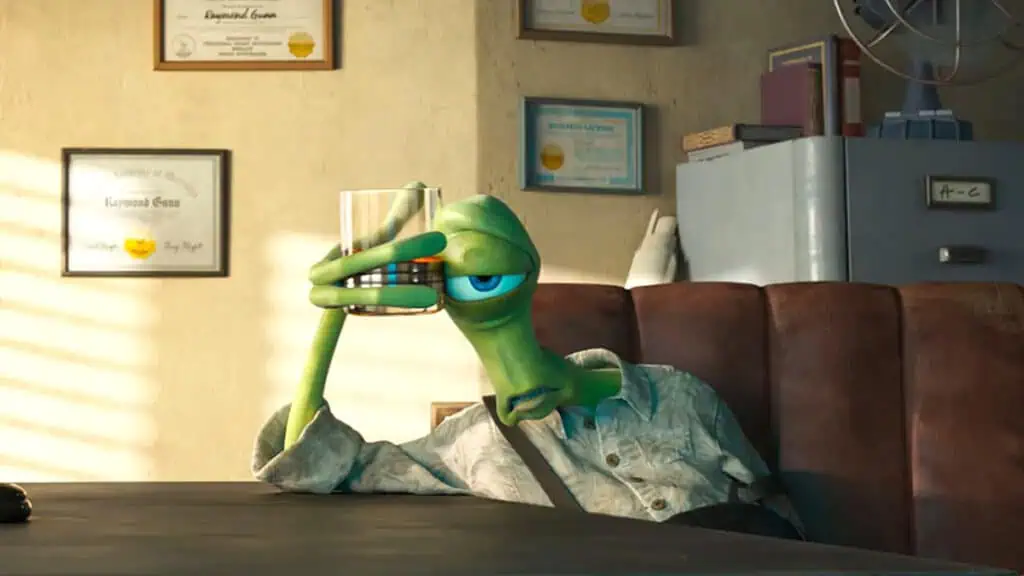
JoBlo: Finally, I want to talk about Tom Waits. When did you know that you wanted him for the role of Eyera, and did you make any changes to the character based on Waits’s larger-than-life persona and vocal stylings?
[Birds leans into the mic to give us his best Tom Waits impression by saying, “Alright.” It’s damn good.]
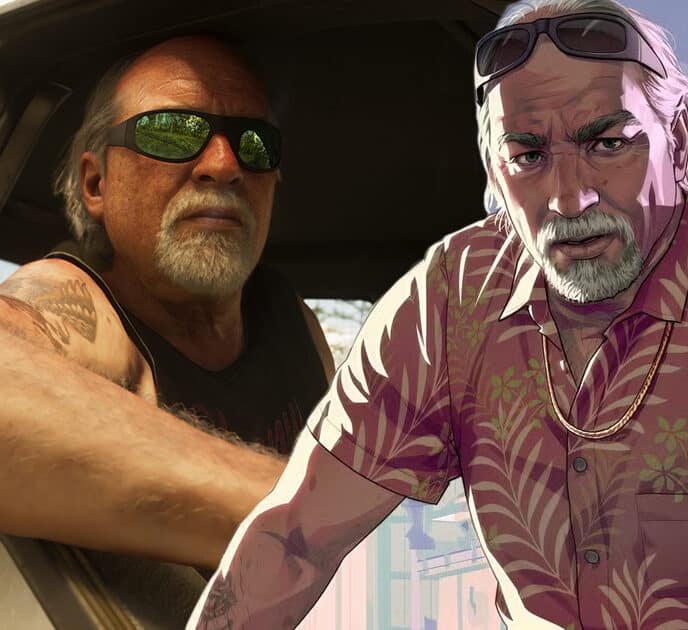
Brad Bird: Originally, I wanted Harry Dean Stanton to play the character, and then Ray Liotta. I talked to Ray about it a little, but I didn’t have the backing at that point. I met him at an Academy event, and I told him how much I loved his work. I also said, I have a project that you’d be perfect for, and we talked about it a little bit. But you know, these movies take time, and a new round of people come into view, and Tom was my first choice once the film got backed.
Tom didn’t influence the design, but he influenced the animation. He has this very laconic way of delivering a line. In the scene when Eyera’s in the car, and he’s leaning back, that was not on the boards. That was the animator who did that, knowing what the character would sound like when he started talking in that context. When the voices are that good, they prompt good animation, right?
JoBlo: “Nighthawks at the Diner,” man. It’s one of the greatest albums of all time.
Brad Bird: Yeah, man. There’s even a little diner in those early shots, a little nod to that album.
Ray Gunn premieres exclusively on Netflix on Friday, December 18, 2026.






The comment section exists to allow readers to discuss the article constructively and respectfully, focused on the topic at hand.
What’s Not Allowed