

Plot: In the new rock and roll-centric season, the Vampire Lestat goes on an electric multi-city tour while being haunted by “muses” from his wild and rebellious past. As his band’s popularity and star power rises, so does Lestat’s influence over vampires and humans alike, leaving others to contend with Lestat’s power in the face of the Great Conversion, an unnatural surge in the vampire population.
Review: AMC went all in with the Immortal Universe, based on the novels by Anne Rice, after the critical success of their adaptation of Interview with the Vampire. While the series spanned two seasons, a third season was announced, which became an adaptation of the second novel in Rice’s series. Anne Rice’s The Vampire Lestat is technically that third season of Interview with the Vampire, as it continues with the same cast and characters from the first two seasons but shifts the protagonist from Louis (Jacob Anderson) to Lestat (Sam Reid). Following the tonal shift from erotic gothic romance to a musically themed rock-and-roll journey, The Vampire Lestat is a solid continuation that combines elements from multiple Anne Rice novels, including The Queen of the Damned and Merrick. While the shift in focus mixes things up a bit and keeps the vast mythology fresh for audiences, Anne Rice’s The Vampire Lestat is not quite as strong as the first two seasons, yet it is still fascinating to watch.
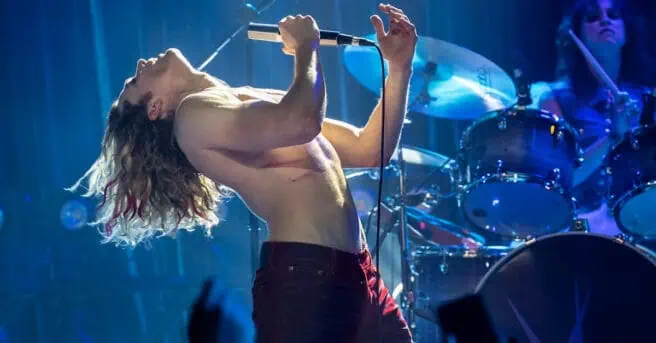
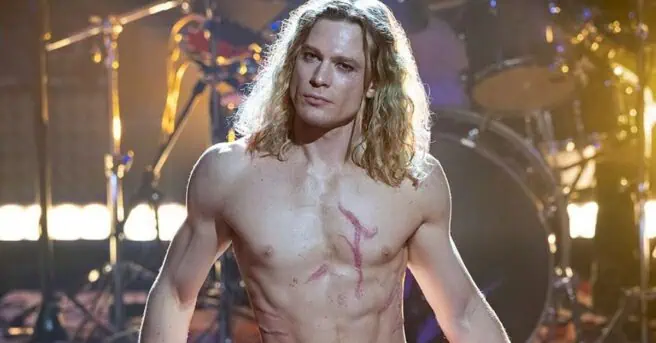
Anne Rice’s The Vampire Lestat picks up after the publication of Daniel Molloy’s (Eric Bogosian) book, written based on his conversations with Louis and Armand (Assad Zaman). Revived and living in Montreal, Lestat is shocked and offended by the skewed perspective on his life with Louis and sets out to set the record straight by telling the truth about his life before and after becoming a vampire. Told through a series of recordings dubbed “The Failures”, the series looks at things from Lestat’s point of view, including the reasons behind his co-opting of a local band to serve as his backup on a world tour. The band, including Larry (Noah Reid), Salamander (Ryan Kattner), and TC (Sarah Swire), does not know Lestat’s true nature. But as Lestat’s violation of vampire law draws attention to them, the story takes a turn. In the early episodes, The Vampire Lestat has a lighter tone with Sam Reid’s performance leaning into the debauchery and sexuality of his stage presence. But as you go deeper into the season, the story delves into the heavier emotional weight of immortality and shows that Lestat is more than the monster portrayed in the first seasons of the series.
Anne Rice’s writing has always been deeply rooted in sexual identity and queer culture, and this season is even more entrenched in Lestat’s vast appetites for men and women in equal measure. We get to see how Lestat becomes a vampire at the hands of Magnus (Damien Atkins), his connection to the original vampire, Akasha (Sheila Atim), and his fear of the powerful Marius (Christopher Heyerdahl). This season connects to Mayfair Witches by debuting the character of Merrick Mayfair, who featured in her own novel that bridged the witchcraft and vampire worlds in Rice’s universe. We also see the return of Justin Kirk as Talamasca member Raglan James, along with many characters from the first two seasons of the series. The biggest new addition is Jennifer Ehle, who portrays Gabriella, Lestat’s mother and the first fledgling he turned into a bloodsucker. Ehle offers a dynamic presence that is vastly different from Lestat’s but intrinsically connected to him. For those unfamiliar with the novels, they will be in for many surprises this season with how these various characters connect.

The romantic entanglement between Louis and Lestat was a driving element of Interview with the Vampire, and I found Sam Reid’s absence for much of the second season a detriment, despite knowing how prominent Lestat is in the subsequent books. The focus of Lestat being a rock star led to the underwhelming 1998 movie Queen of the Damned, and I am glad to say this part of the story is handled far better in this version. Sam Reid performs several original songs for the season, giving Lestat’s artistry some actual material to dig into. The music is not half-bad, which helps make these episodes much more palatable. Sam Reid has top billing this season, with Jacob Anderson second, and both actors get to dig into substantial material this season with each other and individually. Having seen six of the seven episodes of Anne Rice’s The Vampire Lestat, it further proves that this series hinges on the outstanding casting of Reid and Anderson. The shift to 2025 rather than the 1980s setting from the novel further adds opportunities to connect the music business with contemporary pop culture references.
Showrunner Rolin Jones brought back collaborators from the first two seasons of Interview with the Vampire, including writers Hannah Moscovitch, Jonathan Cerniceroz, and Kevin Hanna, with new scribes Anusree Roy and Ryan Kattner, along with director Craig Zisk. The consistency in pacing and visual palette allows this season to work as both the third run of the original series and the first season of a new story. Like Anne Rice’s source material, the plot intertwines elements of horror, romance, and the supernatural, but it is the three-dimensional characters and the lush world they inhabit that make it so interesting to dig into this universe. Fans of the novels will also notice that Jones and his writing team draw on various books and shift plot elements to provide a better structure for the series, with some characters and their allegiances changing a bit. Where The Vampire Lestat falls short is in the second half of the season, which slows down a bit to dig into the various relationships and the impending event teased for the final episode, but the sixth episode of the season offers the standout entry of the entire run.
Anne Rice’s The Vampire Lestat improves on the novel it is based on, which I felt was the weakest in the original book series. But it still comes up short compared to the excellent first two seasons of the show. Because it pulls from both the second and third books, I fully expect the fourth season to be part two of The Vampire Lestat, and I am okay with getting more of Sam Reid doing his best rockstar performances. The Vampire Lestat is certainly not going to be for everyone, and it moves even further away from being a horror story to being more of the erotic romance that Anne Rice is synonymous with. If you appreciated the first two seasons, you will find a lot to enjoy in this new entry in the Immortal Universe and what it sets up for where AMC could take this franchise next.
Anne Rice’s The Vampire Lestat premieres on June 7th on AMC.










The comment section exists to allow readers to discuss the article constructively and respectfully, focused on the topic at hand.
What’s Not Allowed