
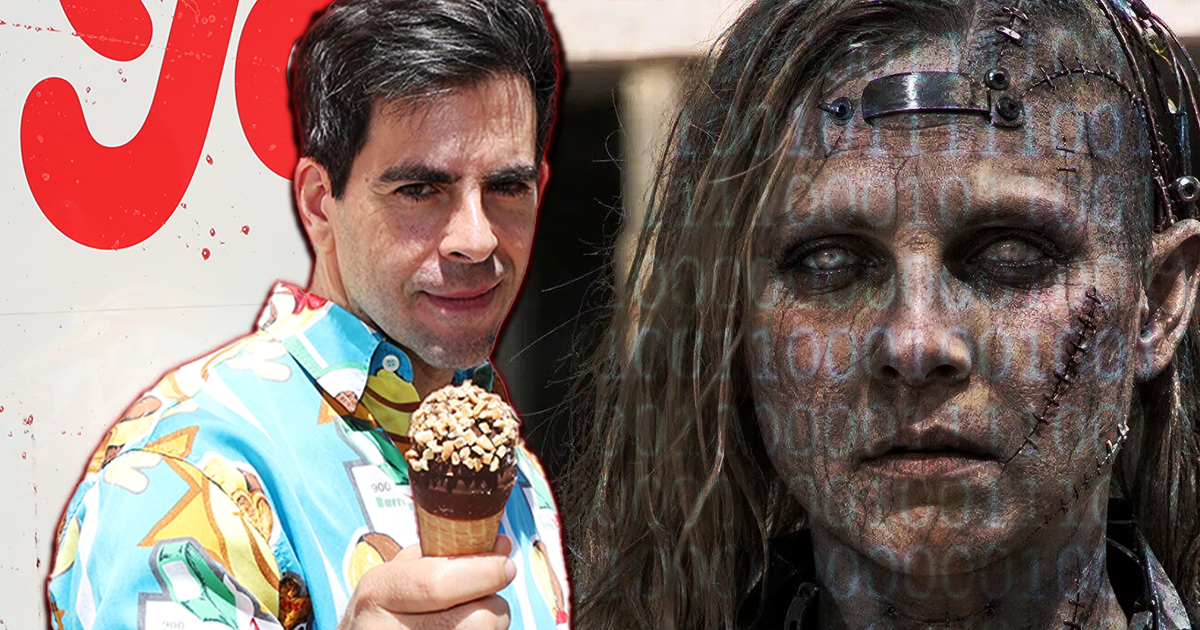

It really feels as though filmmakers are testing the waters with what they can get away with, with Artificial Intelligence. We’ve seen in pop up in various films, with the shark movie Chum from earlier this year using AI for nearly every moment involving a shark. Yet I’m always impressed with how much shame is thrust upon these filmmakers whenever they even speak somewhat positively about the technology. Because people online absolutely hate it. As soon as there’s even a hint of its usage, they’re like sharks smelling blood in the water, and it’s all the conversation around the film becomes.
And it’s understandable, for a variety of reasons. There’s the moral argument of supporting real human beings versus the AI data centers that are bad for the environment. But the simple fact that cannot be ignored is that AI-generated footage does not look good.
Eli Roth is getting destroyed online for his AI usage
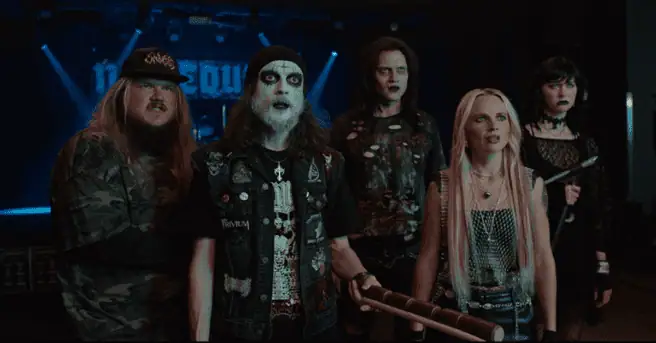
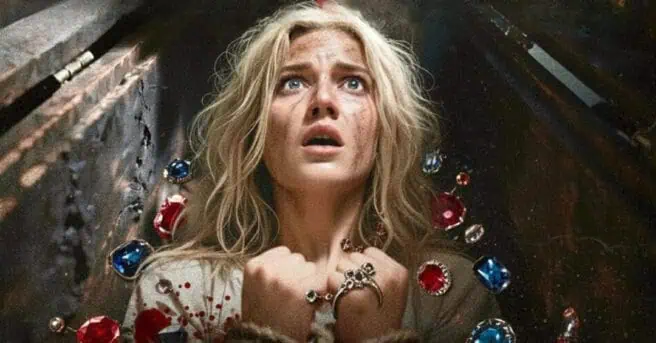
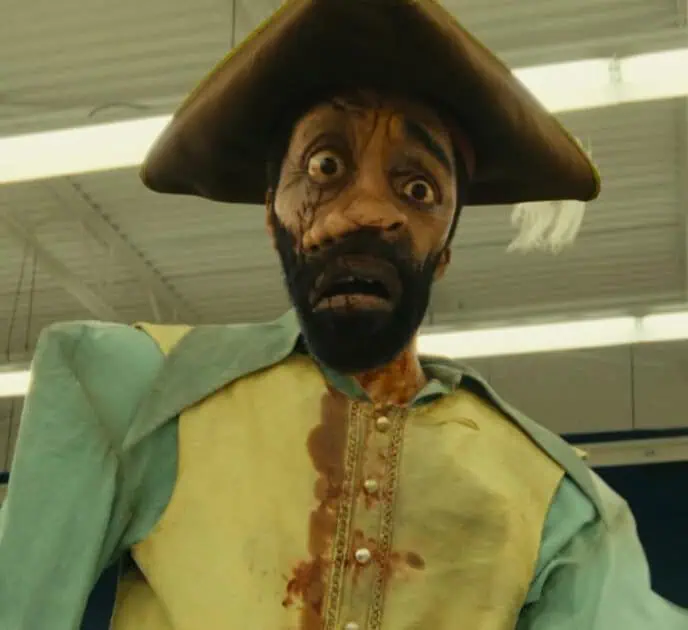
When I first saw Ice Cream Man, I had my suspicions about there being some AI being used in the film. But, at the time, it was just speculation, so I gave Roth the benefit of the doubt. So to then see it confirmed is very disappointing. The biggest issue with Roth’s usage of AI is that it’s absurdly lazy. It was used to create shots that could have been easily filmed with a crew for very minimal money during the initial shoot. Instead, he opts for AI, and it immediately stands out. There was an audible groan from the crowd during one particularly egregious moment. Because as much as they try to convince us otherwise, AI footage simply looks bad.
It’s a problem that isn’t going away anytime soon. Every AI shot is immediately recognizable and looks like crap. The lighting is off and there’s a weird wiggle to everything in the frame. Even the good ones: it’s there. It’s the “Uncanny Valley” problem that video games had for so long. Will it eventually get to a place where it’s indistinguishable from practically shot footage? Absolutely. But it’s not there yet, and highlights how sterile that entire creation process ends up being.
Neil Blomkamp is taking a mixed approach
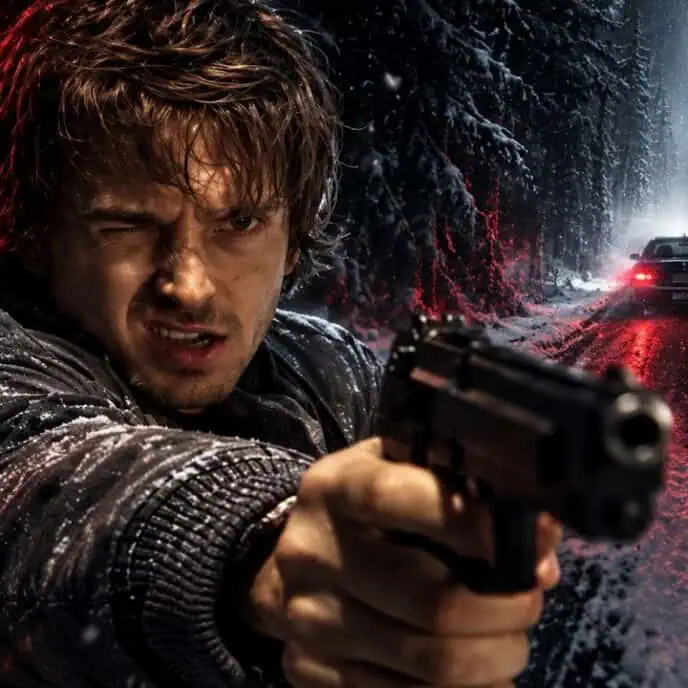
Neill Blomkamp has fully joined the dark side, releasing a 13-minute proof-of-concept titled Nightborne. He used Seedance 2.0 to create his AI short. Where Neill differs from your average person putting prompts into a program, he did still incorporate concept art and performances from 32 real people. It feels like a bit more of a bridging of the gap, but it still draws into question the ethical nature of it all. But at least he’s still hiring real artists and then tweaking it from there. It’s not much better, but I acknowledge that it is more moral.
The short itself feels awkward, with flat lighting and inhuman performances. I had to scrub through it because everything was so unnatural and soulless. I could not imagine trying to watch an entire film from something like this. But that’s exactly what Blomkamp is doing, and I’m sure others who can’t get traditional movies made are sure to follow.
Is there ANY positive to AI for filmmakers?
I’m not going to pretend that there’s not some usage for AI on a film. Rotoscoping is a very tedious process that can be drastically reduced by utilizing it. Logging footage can also be a massive pain in the ass. But that’s all it should ever be: a tool used by a human to help them do their job better. Instead, it’s being used to eliminate work from actual artists. There is without a doubt that there is AI being used on everyday films and television that we don’t even realize. From storyboarding to development, it’s around somewhere. But it’s up to us to say when enough is enough.
An argument can be made that AI is the future, and those who don’t embrace it are cursed to be stuck in the past. I find any use of Generative AI in a movie absolutely abhorrent.
I really hope that other filmmakers are taking notice of the reaction to legitimate filmmakers using AI. Because sure, they’ll laugh at it when some amateur is using it to make two celebs fight that you can watch for free on your phone. But when you’re paying for a product made by professionals, you expect it to be handcrafted by professionals, not written down into a prompt and then regurgitated.
Is AI a dealbreaker for you? Will more filmmakers use generative AI to complete the vision for their films? Let us know in the comments!










The comment section exists to allow readers to discuss the article constructively and respectfully, focused on the topic at hand.
What’s Not Allowed