
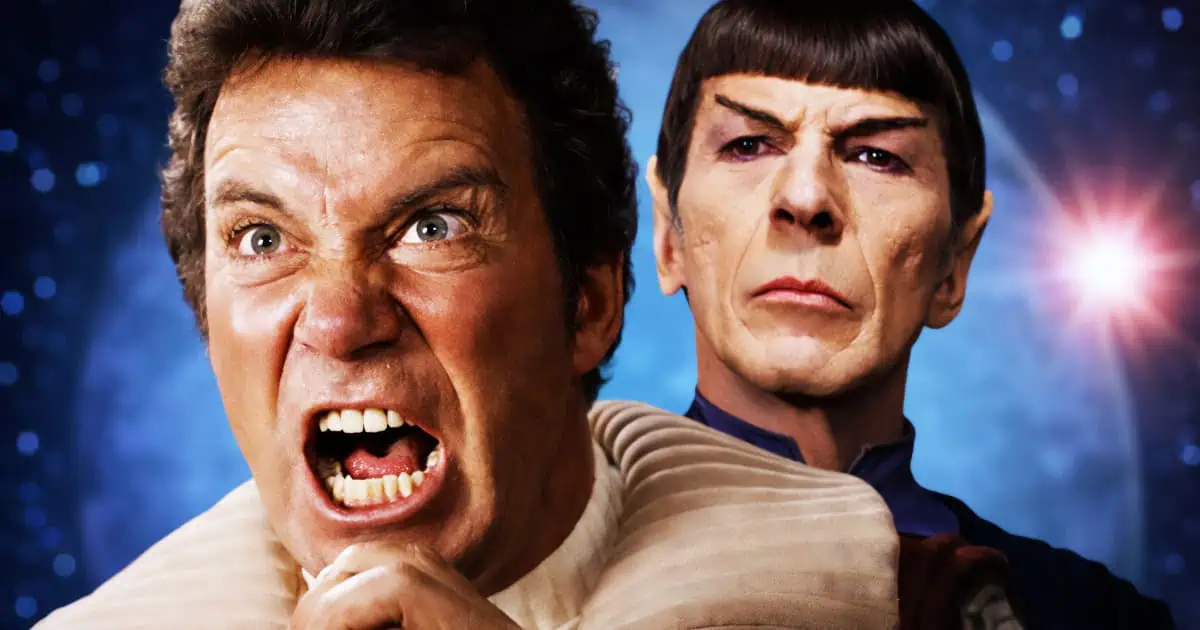

This year marks the 60th anniversary of the Star Trek franchise, which began in 1966 with Kirk, Spock, Bones, and the rest of the crew of the U.S.S. Enterprise setting off on an adventure that continues to this day. The first six Star Trek movies gave the original cast the chance to shine on the big screen, so let’s see where they land when ranked from worst to best.
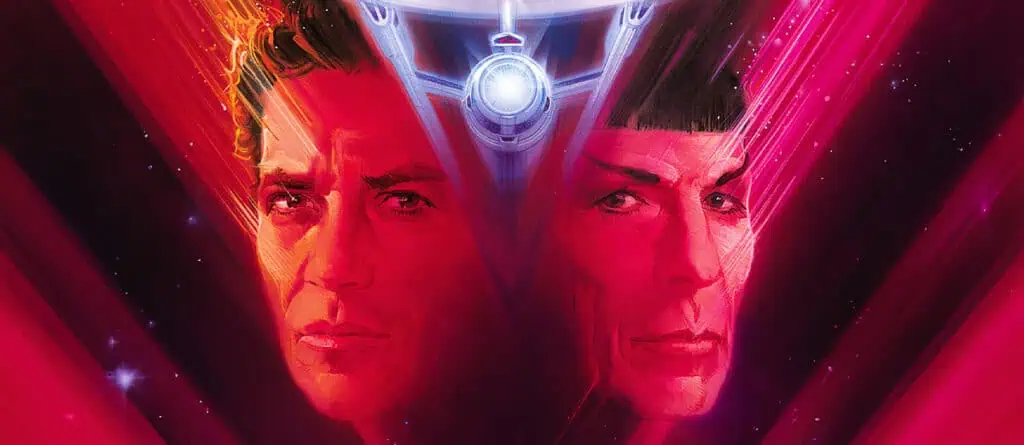
6. Star Trek V: The Final Frontier (1989)
I would argue that The Final Frontier is the only truly bad film of the original six. It does have its moments, especially when it deepens the relationship between Kirk, Spock, and Bones, but it’s easily the one I revisit the least.
Laurence Luckinbill gives a strong performance as Sybok, but the reveal that Spock has a long-lost half-brother has always felt silly to me. Of course, Star Trek: Discovery would later throw another sibling into the mix, so perhaps Spock just isn’t great at mentioning his family members. Here, though, it feels more like a twist for the sake of having one.
The idea of Sybok unlocking people’s pain is genuinely interesting and leads to some of the film’s most emotional scenes, from Spock confronting his father’s rejection of him at birth for being “too human” to McCoy reliving the moment he fulfilled his terminally ill father’s request to die, only for a cure to be discovered later. Kirk, true to his nature, refuses to give up his pain, insisting that he needs it.
But at the end of the day, the movie is simply too much of a mess. Between the subpar effects, forgettable antagonists, and behind-the-scenes turmoil that kept director and star William Shatner from fully realizing his vision, The Final Frontier never quite comes together.
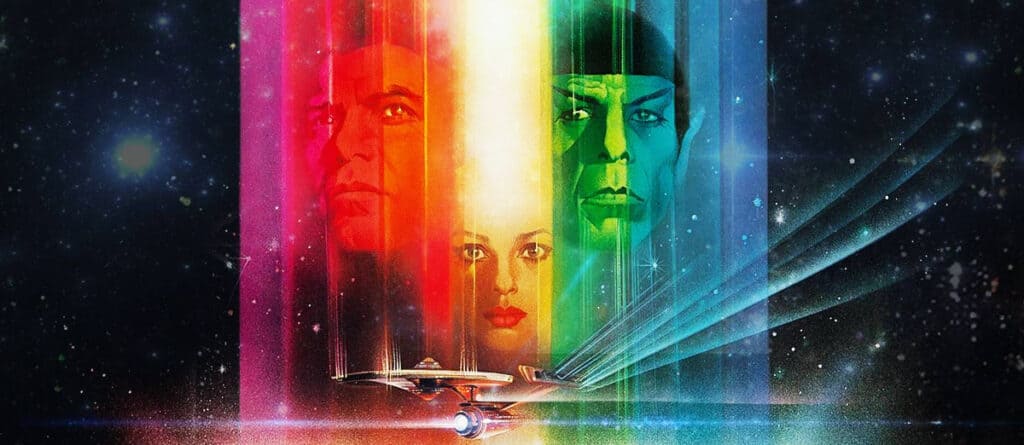
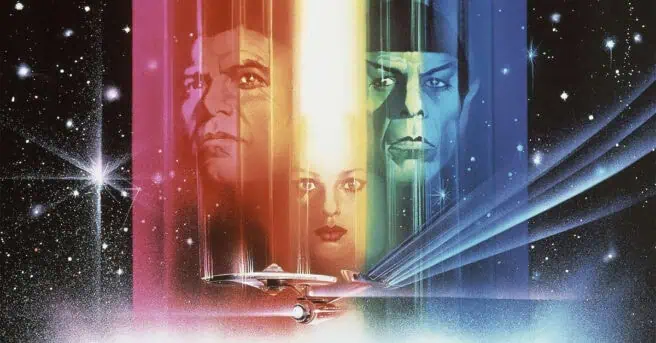
5. Star Trek: The Motion Picture (1979)
More than any other film on this list, I struggled with where to place The Motion Picture. Yes, it is very slow, and a good chunk of the film is basically just the crew staring at visual effects on the viewscreen. But it’s also a movie I have come to appreciate more and more over the years. There is something undeniably special about seeing the original cast reunited in live action for the first time in a decade, soaking in those gorgeous shots of the Enterprise, and listening to Jerry Goldsmith’s fantastic score.
The idea of humanity confronting something vast and unknowable is pure Star Trek, even if the film could have used a little more energy. At times, it feels like the novelty of seeing the original cast and the Enterprise on the big screen outweighs the story itself. It also didn’t help that production was constantly behind schedule, and post-production was rushed to meet the release date. There simply was not enough time to complete everything. Director Robert Wise always considered the theatrical version a rough cut he was forced to abandon. In fact, he had to scramble to deliver the still-wet print for the world premiere. Decades later, the director’s cut finally brought the film closer to his original vision.
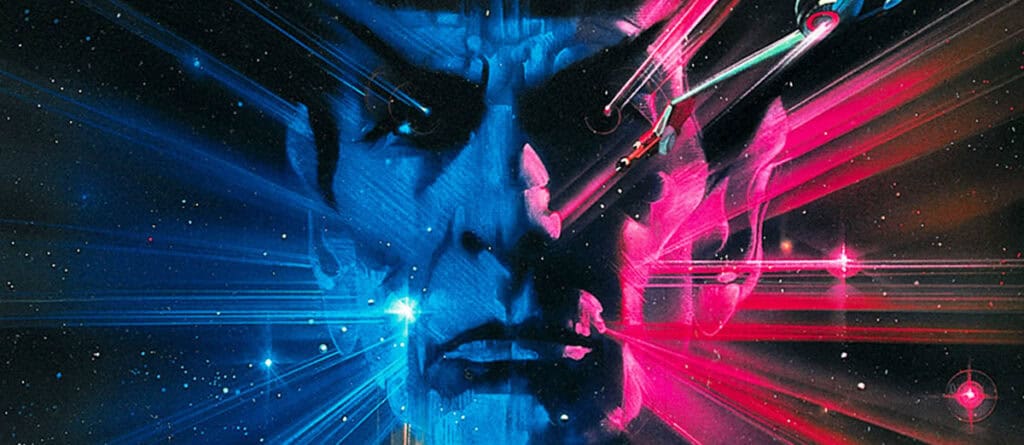
4. Star Trek III: The Search for Spock (1984)
The Search for Spock might be the most underrated installment in the original movie series. While it can sometimes feel like a mid-tier entry, it does feature a strong villain in Christopher Lloyd’s Kruge and tackles some genuinely heavy material. There’s the aftermath of Spock’s death, the destruction of the Enterprise, and, of course, the murder of Kirk’s son, David.
Kirk staggering backward as he learns his son has been killed is one of the most devastating moments in the franchise. We rarely see him more broken. “You Klingon bastard, you killed my son.”
This really is the most emotionally punishing installment of the original films. Sure, Kirk gets Spock back at the end, but not before losing his ship, his son, and his career. Beyond the resurrection of Spock, there’s no easy reset button here.
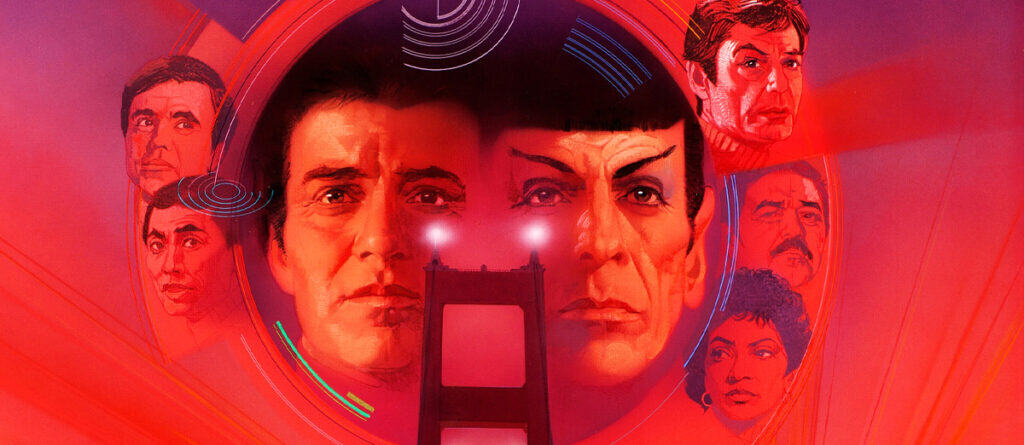
3. Star Trek IV: The Voyage Home (1986)
After several movies filled with heavy themes and painful losses, The Voyage Home finally lets the crew loosen up. It’s funny, fast-moving, and accessible even for viewers who aren’t already deeply invested in Star Trek lore. It helps that much of the story unfolds in what was then the present day. There are no space battles, no phaser fights, or even a traditional villain, yet it still captures the crew at their best, doing whatever it takes to save the world once again.
The crew being completely out of their element in 1980s San Francisco leads to some of the franchise’s funniest material. The humour works because it grows naturally out of who these characters are. Spock using some “colourful metaphors” to blend in, Scotty talking into a mouse, and Chekov asking passersby about “nuclear wessels” all land because they feel true to the characters rather than forced.
Then there’s the environmental message, which unfortunately remains relevant to this day, but the movie never beats you over the head with it. Again, the concept is very Star Trek: the idea that arrogance, short-sightedness, and a failure to respect life can come back to haunt us.
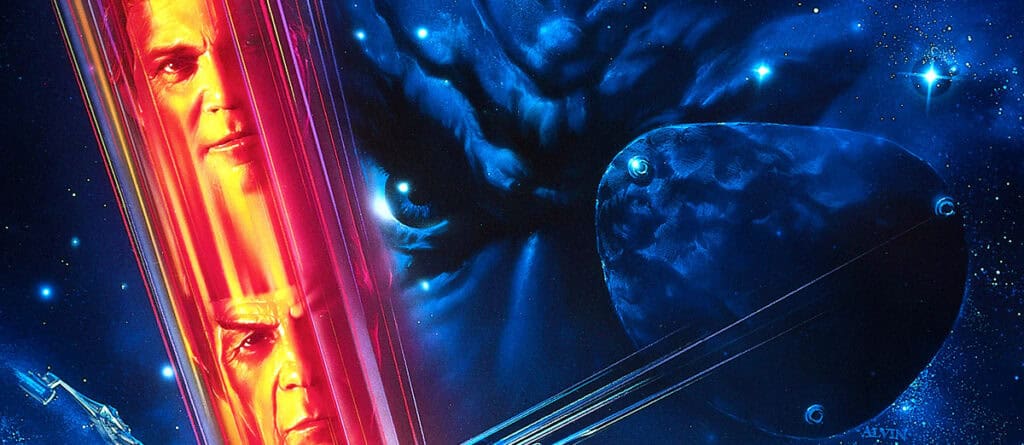
2. Star Trek VI: The Undiscovered Country (1991)
The Voyage Home could easily have occupied this spot, but I’ve always loved The Undiscovered Country just a little bit more. It’s interesting to think about this one in the context of when it came out. The Berlin Wall had fallen just two years earlier, and the Soviet Union officially dissolved only two weeks after the film’s release. As a result, it feels like one of the most mature and politically textured of the original six films, dealing with aging, change, and the fear of letting go of old enemies.
There is no doubt that Captain Kirk is a hero, but what I love about this film is how clearly it highlights his shades of gray. Kirk has baggage and prejudices, especially when it comes to the Klingons, and The Undiscovered Country puts those front and center, but he’s got to put those aside in order to usher in a new era of peace. That gives the film more depth than a standard “stop the bad guy” plot.
Christopher Plummer is fantastic as the Shakespeare-quoting General Chang, and the entire cast gets a chance to shine, which didn’t always happen in every film. It also works beautifully as a send-off for the original crew. There is a real sense of finality to it, especially with the signatures over the end credits.
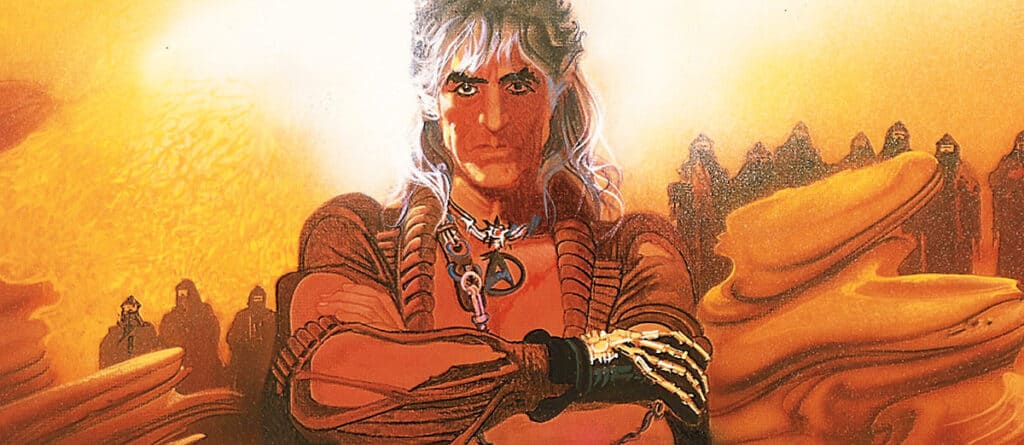
1. Star Trek II: The Wrath of Khan (1982)
For me, there really couldn’t be any other film in the top spot. The Wrath of Khan gave fans the movie they should have gotten with The Motion Picture. The cast is operating at the top of their game, and Ricardo Montalbán’s return as Khan, reprising the role he first played in the original series episode “Space Seed,” remains one of the all-time great villain performances.
The film also understands exactly what makes Star Trek work on the big screen. Sure, it’s bigger and more cinematic than the series, but it never loses sight of the characters. The action matters because the personal stakes matter. This isn’t just Kirk facing a powerful enemy; It’s Kirk confronting past mistakes and realizing he can’t outrun time forever.
That’s part of why The Wrath of Khan casts such a long shadow. Later Star Trek films kept trying to recreate its formula: an old enemy returns, the stakes become personal, and everything leads to a noble sacrifice. But few ever matched it.
And then there are the unforgettable moments: Kirk’s rage-filled cry of “Khaaaaan!”, the nightmare fuel of the Ceti eels (which freaked me out so much as a kid), the climactic battle in the Mutara Nebula that plays like a sci-fi submarine duel, and, of course, Spock’s death, which still hits as hard as anything in the franchise. It’s not just one of the best Star Trek movies, it’s one of the best sci-fi sequels ever made.
—
As with any list, your ranking will almost certainly be different. Hell, I even saw one list that put The Final Frontier in the top spot. So let us know how you would rank the original Star Trek movies in the comments.










The comment section exists to allow readers to discuss the article constructively and respectfully, focused on the topic at hand.
What’s Not Allowed