
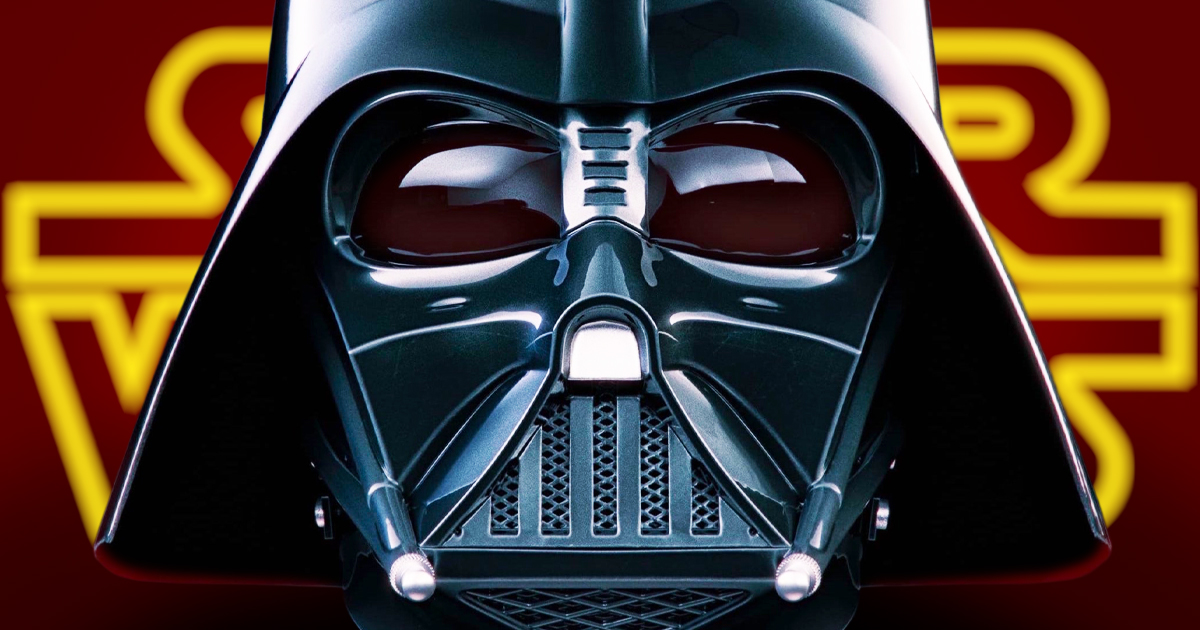
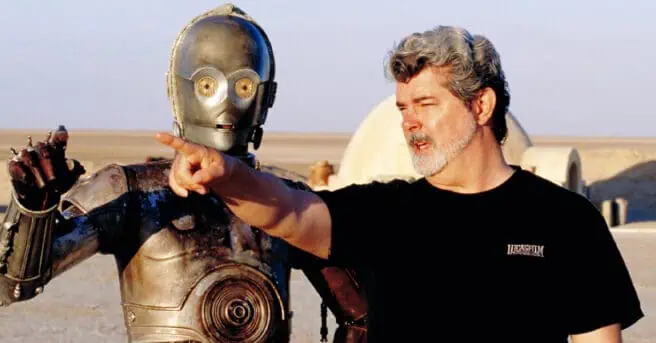
George Lucas has been revising Star Wars for decades, but the 1997 Special Editions were the moment those changes became impossible to ignore. New scenes were added, visual effects were updated, and familiar moments were altered in ways that we’re still arguing about nearly 30 years later.
Fans, of course, have been extremely vocal about how much they hate many of those changes, a backlash that only grew as Lucas continued tinkering with the original trilogy with each new release. Greedo shooting first in the Mos Eisley cantina, Darth Vader yelling “Noooo!” as the Emperor attacks Luke with Force lightning, and Han Solo awkwardly stepping on Jabba the Hutt’s tail have all become infamous examples of changes many viewers feel have actively made the movies worse.
But not every alteration deserves that reputation. For all the questionable tweaks, there are a handful of changes that do feel like genuine improvements, or, at the very least, they blend in well enough that they don’t detract from it. So today, we’re highlighting five Star Wars changes that George Lucas actually got right.

The Emperor (The Empire Strikes Back)
The Emperor made his first appearance in The Empire Strikes Back, originally portrayed by actress Marjorie Eaton and voiced by Clive Revill. That version is certainly eerie and works well enough as a mysterious holographic presence, but it doesn’t quite match the character audiences would meet in the flesh in Return of the Jedi.
For the 2004 DVD release, George Lucas shot new footage with Ian McDiarmid, bringing the scene more in line with the rest of the trilogy, and making Palpatine feel like a more consistent, looming presence across the saga.
Yes, the dialogue was changed, and some fans have taken issue with Vader seeming surprised when the Emperor refers to Luke as “the offspring of Anakin Skywalker.” But I have always read the scene as the two Sith testing each other. Neither is being completely honest, and Vader is clearly already considering using Luke to turn against the Emperor. By the time he confronts his son on Cloud City, he openly suggests that they can destroy Palpatine and rule the galaxy together as father and son.

Biggs Darklighter (A New Hope)
In the theatrical version of A New Hope, Biggs Darklighter is briefly mentioned early on before later appearing as one of the Rebel pilots in the attack on the Death Star. But the movie provides little context for who he is or why he matters to Luke.
Fans know that Biggs was one of Luke’s childhood friends from Tatooine, and a deleted scene even showed him returning home to tell Luke of his plans to join the Rebellion. While that earlier scene remains absent from the finished film, the Special Edition does restore a brief reunion between Luke and Biggs on Yavin 4 before the battle.
It is a small addition, but a meaningful one. The scene gives Luke a personal connection within the Rebel ranks and makes Biggs feel like more than just another pilot in the trench run. When he dies during the battle, the loss lands a little harder because we know he’s not just a fellow Rebel, he’s someone who mattered to Luke.

Cloud City (The Empire Strikes Back)
When you have a floating city in the clouds, it feels like a missed opportunity not to show off the view. Of course, the enclosed hallways of the original Empire Strikes Back were a practical limitation of the sets, but Cloud City is exactly the kind of location that should feel open and spectacular.
The Special Edition improves that immediately by adding larger windows, wider views, and more glimpses of the city’s exterior. Suddenly, Bespin feels less like a collection of interior sets and more like an elegant metropolis suspended in the sky. It expands the world without distracting from the story, making Cloud City feel more believable and luxurious.

The Battle of Yavin (A New Hope)
The Battle of Yavin was always one of the great climaxes in blockbuster filmmaking. The editing, music, tension, and structure were already there. What the Special Edition does is push all of that to the next level.
The updated shots give the X-wings and TIE fighters more dynamic movement, adding scale and speed to the attack on the Death Star. The battle feels a little more fluid and cinematic, especially for viewers coming to the film after decades of more advanced visual effects.
Most importantly, the scene is not fundamentally rewritten. The stakes, pacing, and classic structure remain intact. The new effects simply enhance what was already working, making the climax more visually exciting without taking away the charm or clarity of the original sequence.

Mos Eisley Spaceport (A New Hope)
Alright, I know this one is controversial. Obi-Wan describes Mos Eisley as a rough, crowded spaceport full of scum and villainy, but in the theatrical version of A New Hope, we don’t really get much sense of its size. Luke and Obi-Wan essentially enter the city and arrive at the cantina almost immediately.
The Special Edition changes that by tracking the landspeeder through the streets, showing more aliens, droids, creatures, vehicles, and background activity. It makes Mos Eisley feel more like an actual hub of galactic traffic, a busy, chaotic spaceport where every corner seems to have its own story.
Now, not every addition works. Some of the slapstick is too broad, and I’ve always hated the ronto walking directly in front of the camera. But the larger idea behind the change is strong. It gives Mos Eisley a sense of scale and life that better matches Obi-Wan’s description and helps sell the idea that Luke is stepping into a much bigger, stranger galaxy.
Wrapping It Up
So, yes, there are certainly some good changes in the Star Wars trilogy. That said, many fans — myself included — still want to see a proper release of the original theatrical cuts. For decades, the Special Editions have been the only widely available official versions of these movies, and while I have no issue with them existing, the ideal situation has always been simple: just give audiences the choice.
Thankfully, we may finally be moving one step closer to that. Lucasfilm has announced that Star Wars will return to theaters on February 19, 2027, to celebrate its 50th anniversary, with a “newly restored version” of the original 1977 theatrical release. That’s a big deal, and with any luck, restored versions of The Empire Strikes Back and Return of the Jedi won’t be far behind, ideally with a proper 4K physical release to go with them.
Until then, the Special Editions remain a fascinating part of Star Wars history: sometimes frustrating, but occasionally worthwhile. The changes above prove that not every alteration was a mistake. Some of them really did make the Original Trilogy feel bigger, richer, or more consistent.
Which changes to the Star Wars trilogy are you a fan of? And yes, maybe one day we’ll tackle the worst changes too. That should be fun.









The comment section exists to allow readers to discuss the article constructively and respectfully, focused on the topic at hand.
What’s Not Allowed