

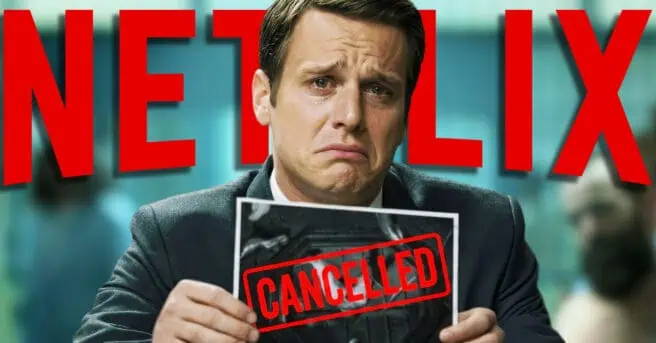
Fans of Mindhunter have been hoping that David Fincher might eventually return to the world of FBI criminal profiling ever since the Netflix series ended after two seasons. There was even a little reason for optimism last year, when star Holt McCallany revealed that Fincher had told him there was a chance the show could return as three two-hour movies. Unfortunately, Fincher has now offered a much more detailed explanation of why bringing Mindhunter back would be a difficult proposition.
During a lengthy appearance on the Happy Sad Confused podcast, Fincher discussed the problems that plagued the show’s production, his experience working with its writers, and the financial considerations that ultimately made a third season unlikely. And if you’re hoping to see more of Mindhunter, his comments aren’t exactly encouraging.
David Fincher Explains the Problems Behind Mindhunter
Fincher revealed that the first season was a difficult production. Although he was proud of the finished episodes, he described the experience as a struggle to find the show’s characters, stories, and overall direction. He also found himself taking on the responsibilities of showrunner, despite not having originally intended to do so. The workload was enormous. Fincher said that even when he wasn’t directing, Mindhunter demanded a 90-hour workweek.
Things didn’t get much easier when the second season came around. Fincher explained that Netflix had hired a showrunner with a strong reputation, who oversaw a team of writers and produced eight or nine scripts for the new season. However, when Fincher finally had an opportunity to read them, “I threw them away. It was not our show.“
That decision meant starting over and scrambling to get new scripts ready. Fincher said he wanted to have 10 scripts completed before production began, but believes they only managed to get eight. Throwing out the previous scripts cost the production almost a year, creating a lengthy gap before the next season could arrive.
By the time a potential third season was being discussed, Fincher could see the same problems happening all over again. The wait between seasons was getting longer, and the production was becoming increasingly difficult to sustain.
Netflix Wanted Mindhunter to Find a Bigger Audience
There was also the matter of the show’s budget and audience. According to Fincher, Netflix told him that Mindhunter had approximately two million viewers who loved it, but the series cost around $100 million per season. The streaming service wondered whether there was a way to attract a larger audience. Fincher recalled being asked whether the show could become more action-oriented, with characters chasing suspects with guns in their hands, or whether it could move closer to something like CSI. His answer was no.
“That’s not what it is,” Fincher said, explaining that he wasn’t willing to make those concessions. He also didn’t believe Netflix genuinely wanted him to change the show in that way, but the company needed to find a way to justify the expense.
Fincher pointed out that the financial situation would become even more complicated by a third season, when the costs associated with the cast would increase. When people ask why he can’t just make a quick third season, Fincher has a joking response: “You need to go out, you need to make 10 million friends. And you need each of them to send me $10. And then I’ll do it.“
He stressed that he isn’t scolding the fans who have continued to support the show. In fact, he appreciates that people have come to love Mindhunter. But the production difficulties, lengthy delays, and financial realities made continuing the series increasingly difficult.
Fincher Still Loves the Mindhunter Cast
Despite all of those frustrations, Fincher made it clear that he remains proud of the first season and has tremendous affection for the people involved in the show. He spoke particularly fondly of the cast, including Jonathan Groff and Holt McCallany. Fincher recalled how Groff was the first actor to submit an audition for the series and how quickly he recognized that he had found the right person to play Holden Ford. He also discussed discovering the qualities McCallany could bring to Bill Tench. Fincher said he adored the people he assembled for the show and was proud of what they accomplished.
Mindhunter clearly remains an important project to Fincher, but his explanation suggests that enthusiasm for the material isn’t enough to overcome the practical problems that brought the series to a halt. McCallany’s previous comments about the possibility of three movies offered a glimmer of hope, but Fincher’s latest remarks make it clear just how much would have to change before more Mindhunter could become a reality.
Would you still like to see Mindhunter return for a third season or a series of movies, or should we accept that the story is finished?










The comment section exists to allow readers to discuss the article constructively and respectfully, focused on the topic at hand.
What’s Not Allowed