
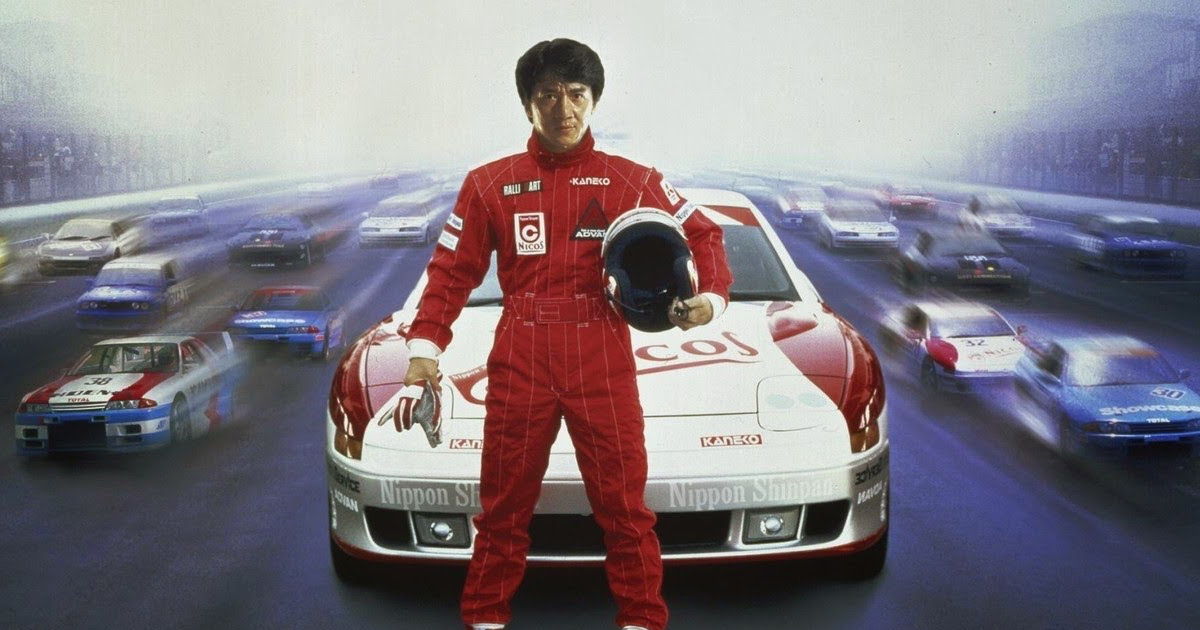

This summer, Arrow Video is putting out one of its most ambitious releases ever, a sprawling six-movie set called Jackie Chan’s Breakout Hits, featuring the films he made between 1994 and 1999. This was perhaps the most important time in Chan’s career, as it was when he was finally able to crack the North American market. While international audiences were already huge fans of Chan, in North America he was more of a cult favorite, but that all changed when New Line Cinema released Rumble in the Bronx theatrically, giving it a wide release. It was such a big hit that New Line and Miramax started releasing many of his films from this period theatrically.
In our review of the first half of this set, we already examined three of Chan’s biggest hits from this period: Rumble in the Bronx, Drunken Master 2, and First Strike. This time, we’re taking a look at some of the deeper cuts from the set.
Thunderbolt:
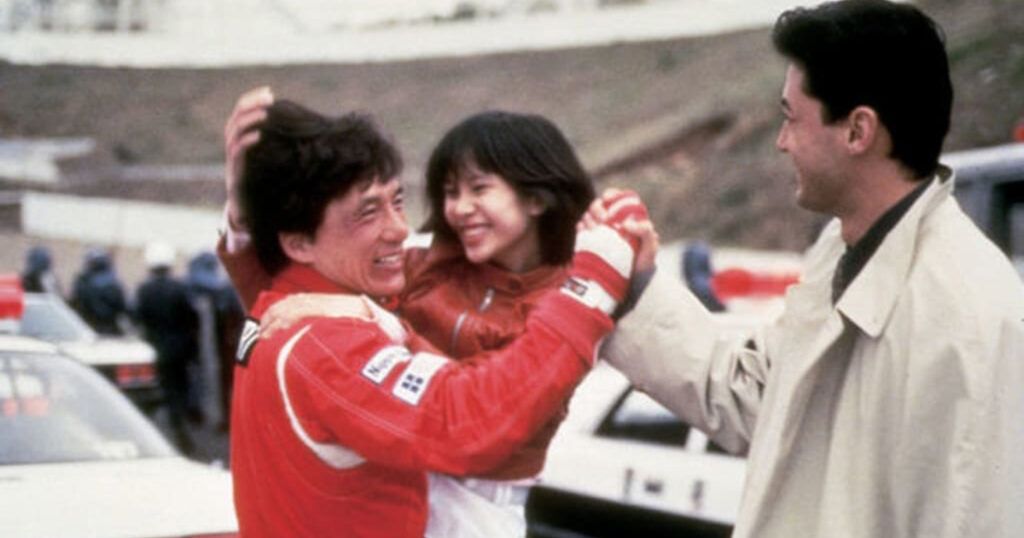
This was unique as far as Chan’s movies go, in that it featured less of the martial arts he was known for, with it instead jam-packed with racing action. Why? Simple—Chan hurt himself pretty badly while shooting Rumble in the Bronx, so by pivoting the style of action, he was still able to churn out another big-budget movie while allowing himself to recover (not that it’s totally free of traditional Chan action—there are just no huge stunts, and he’s doubled more than usual). The result was a major hit in Asia, although it was shelved in North America, with New Line having initially planned to give it a major Rumble in the Bronx-style release. The Blu-ray contains two versions of the movie: the original Hong Kong version, which features a mix of dialogue in Cantonese and English, and the U.S. cut, which was eventually released on video in North America and redubs and rescores the movie. There’s also a third cut of the film here, albeit not in 4K like the others: the Japanese cut, which has a different opening.
Mr. Nice Guy:
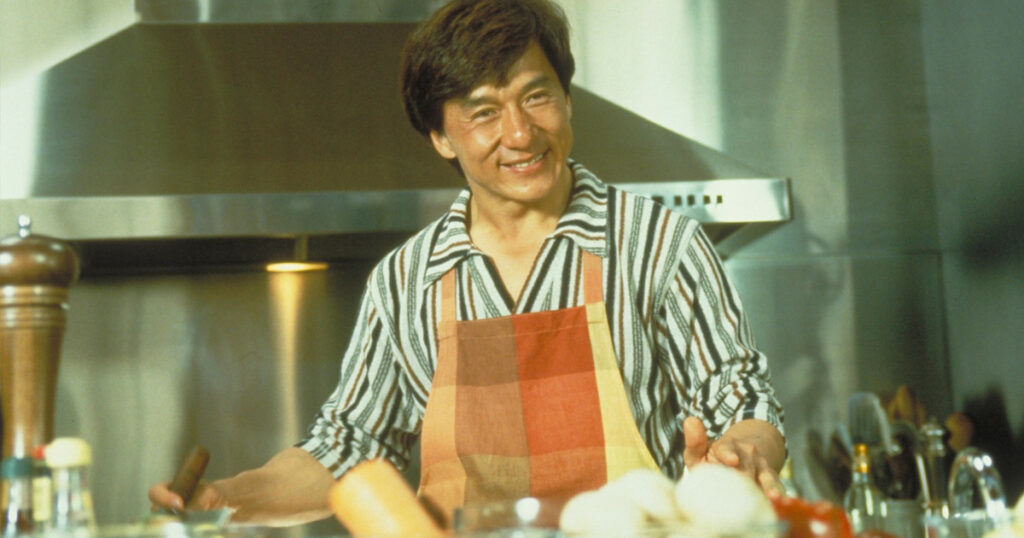
Something interesting happened with Chan’s Hong Kong movies in the late nineties. Chan’s fame had grown so much in North America that many of his Asian films started to be made with an eye toward an American release, with First Strikefeaturing a large amount of English dialogue. Mr. Nice Guy was different in that it was filmed entirely in English, even though when New Line Cinema gave it a theatrical release, the studio ended up rescoring and recutting it, removing huge portions of the film. It’s considered one of Chan’s more minor films, although it has some great action, with the movie directed by Sammo Hung and pitting Chan against the great Richard Norton. The Arrow disc contains three cuts of the movie, including the Hong Kong cut (which is mostly in English), the North American cut, and a Japanese cut, with all of them having significant differences.
Who Am I?
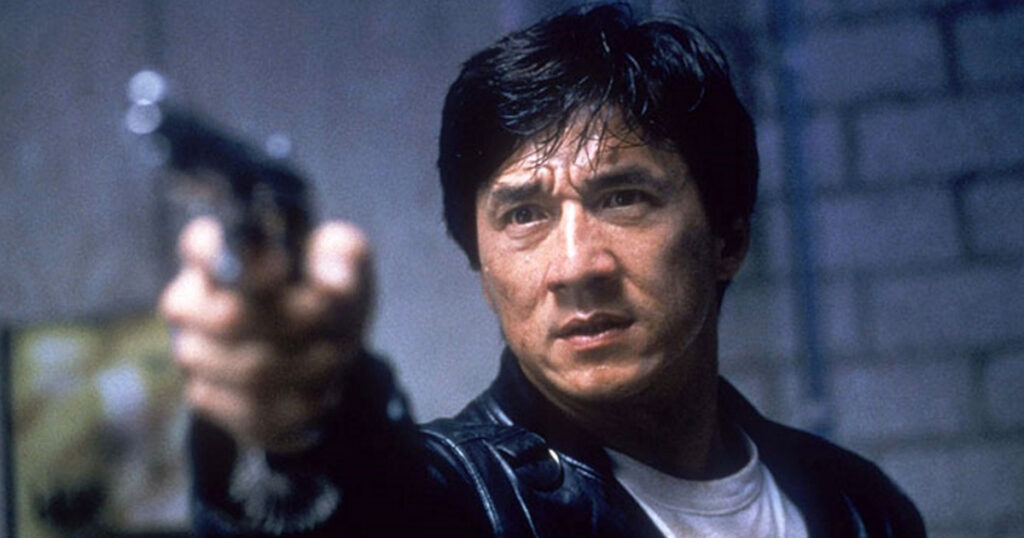
This is one of Chan’s most ambitious films of the era, with it being released around the same time he truly became a superstar in North America thanks to the success of Rush Hour. Like Mr. Nice Guy, it’s an international production that was shot in English, with Chan playing a spy who loses his memory and, for a while, ends up living with an African tribe. The set contains two versions of the film, with the Hong Kong cut being longer and having a bit of Cantonese mixed into the soundtrack, while the international cut is the one that was released on DVD in North America at the time by Sony.
All three films are worth watching for Chan fans, even if they aren’t quite the classics we saw in the first half of the set. Even so, their inclusion here is fascinating, with the set giving us a pretty comprehensive look at the state of his stardom during this period. In the years that followed, Chan tried a few more international-style films like The Medallion before eventually deciding to alternate between movies for the Asian market and movies for North America, such as Shanghai Noon, Shanghai Knights, and the Rush Hour films.
















The comment section exists to allow readers to discuss the article constructively and respectfully, focused on the topic at hand.
What’s Not Allowed