
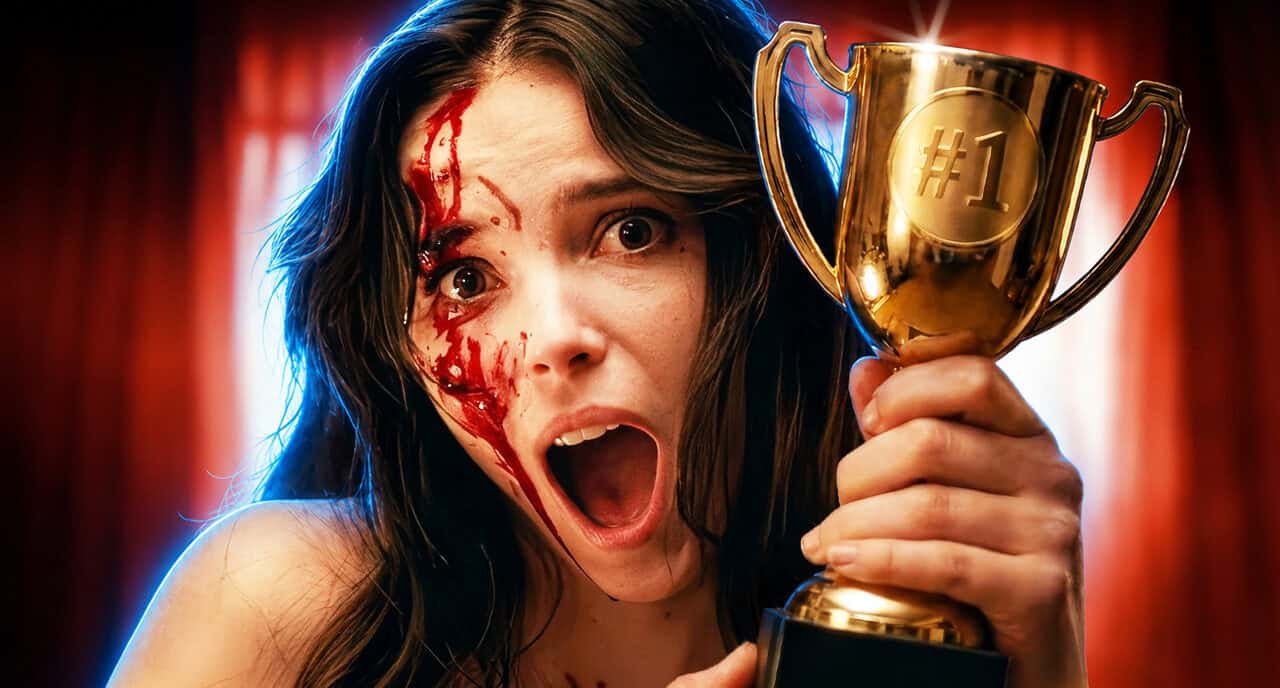

Every now and then, a movie comes along and completely upends the horror landscape despite being made for pocket change. John Carpenter’s Halloween turned a budget of just $300,000 into more than $70 million worldwide and made audiences afraid of the boogeyman. Then, in 1999, The Blair Witch Project reinvented found-footage horror, grossing nearly $250 million on a budget of only $750,000. But these movies are about more than incredible profits. They proved that audiences will show up for original ideas. Now, armed with a budget of just $750,000, filmmaker Curry Barker has done it again. His feature debut, Obsession, has become one of the biggest horror success stories of the decade, earning critical acclaim, huge box office numbers, and turning Barker into one of Hollywood’s hottest new filmmakers.
So how did a creator best known for comedy videos pull it off? How did Obsession become one of the year’s most talked-about horror movies? Why did the film’s ending change before release? And what makes this movie resonate so strongly with audiences?
That’s exactly what we’re diving into today.
Spoiler Warning
Before we go any further… If you’re somehow one of the three people on the internet who still hasn’t seen Obsession, stop watching and go fix that immediately.
Seriously. We’re about to spoil everything.
Don’t believe me? Bear dies at the end.
There. I warned you.
Now let’s get into it.
2026: The Year Horror Embraced YouTube
2026 has been called “the year of the YouTuber” by people who clearly haven’t been paying attention. This didn’t happen overnight. If Talk to Me taught us anything back in 2022, it’s that there has always been incredible filmmaking talent on YouTube. The platform has become a proving ground for creators who understand storytelling, editing, cinematography, and audience engagement just as well as many traditional filmmakers.
For years, though, there was a stigma attached to YouTubers making movies. A handful of popular creators tried making low-budget features over a decade ago, and most of them… weren’t exactly great. That left many people convinced that internet fame simply didn’t translate into filmmaking success.
But 2026 completely changed that conversation. Three of the year’s biggest theatrical horror releases came from filmmakers who got their start online:
- Mark Fishbach, better known as Markiplier
- Kane Parsons, better known as Kane Pixels
- Curry Barker, one half of the comedy duo That’s a Bad Idea
It feels like horror has been waiting for a new generation of filmmakers to take the reins. Now, they’re finally here.
A New Generation of Horror Filmmakers
This isn’t the first time horror has experienced a changing of the guard. A decade ago, it felt like Jordan Peele, David Robert Mitchell, and Robert Eggers were ushering in the next era of horror with Get Out, It Follows, and The Witch.
Now, we have another wave of exciting voices.
The big question isn’t whether these filmmakers belong in horror. It’s whether horror is just the beginning.
Markiplier’s Iron Lung
Mark Fishbach (Markiplier) took a route that few creators would have attempted. Rather than partnering with a major studio from the outset, he self-financed, co-wrote, directed, and starred in Iron Lung, an adaptation of the indie horror game he’d played on his channel back in 2022.
Personally, if I were making my first feature, I probably wouldn’t choose a claustrophobic submarine movie that’s largely confined to a single location, but that’s just me.
Working with what he has said was a budget of nearly $5 million, Markiplier launched an enormous grassroots marketing campaign and independently released Iron Lung in roughly 4,000 theaters across North America.
The gamble paid off. The film finished its theatrical run with more than $51 million worldwide, proving that a creator with a devoted online audience could successfully bring that audience into theaters.
Kane Parsons and Backrooms
Then there’s Kane Parsons (Kane Pixels). Parsons first became famous for his Backrooms videos, which transformed a simple internet creepypasta into one of the most effective pieces of analog horror ever uploaded to YouTube.
What’s even crazier is how he made them. Using programs like After Effects and Blender, Parsons created eerie, photorealistic environments that looked far beyond what anyone expected from a teenager uploading videos online.
Hollywood noticed. A24 eventually partnered with Parsons to expand Backrooms into a feature film, handing the then-20-year-old filmmaker a production budget of roughly $10 million.
We’ll be diving much deeper into Backrooms in a future episode, but the short version is this: A kid making horror videos in his bedroom became the director of one of the year’s biggest theatrical releases.
The movie ultimately earned more than $350 million worldwide. Not bad for someone who started with Blender.
Then There’s Curry Barker
And finally, there’s Curry Barker. If you’ve spent any time on YouTube over the last several years, you’ve probably come across That’s a Bad Idea, the comedy duo made up of Curry Barker and Cooper Tomlinson.
At first glance, their videos look like comedy sketches. But underneath the jokes, they were quietly teaching themselves how to make movies.
Like most creators, they started small. Early videos had the same homemade energy you’d expect from almost any group of high school friends. The difference was that every new upload looked noticeably better than the last. Lighting improved. Editing became sharper. The cinematography grew more ambitious. The visual effects became increasingly seamless.
Eventually, these weren’t just funny internet videos. They looked like legitimate short films.
Outside of their own channel, both Barker and Tomlinson also pursued acting careers. You might recognize Barker from an appearance on It’s Always Sunny in Philadelphia, while Tomlinson appeared in Dutton Ranch.
But despite building an audience through comedy, Barker had clearly been interested in horror for a long time.

The First Signs of a Horror Filmmaker
The Chair
In 2023, Barker released the horror short The Chair on YouTube. The film exploded, eventually earning more than 10 million views.
More importantly, it proved that Barker’s instincts extended far beyond comedy. He understood suspense. He understood pacing. And he knew exactly how to build tension with a camera.
Milk and Serial
Oddly enough, though, The Chair wasn’t actually Barker’s first horror movie. That honor belongs to Milk and Serial.
Made alongside Cooper Tomlinson a year earlier, the feature was produced on an astonishing budget of just $800, most of which reportedly went toward purchasing the camera.
Over the course of four months, the duo completed the movie and spent nearly two years trying to find a distributor. Nothing came of it.
Eventually, they made the difficult decision to release the film for free on YouTube. At the time, it probably felt like a disappointment. Looking back now, it may have been one of the best things that could have happened.
Because while Milk and Serial struggled to find a distributor, another opportunity was already knocking.
How Obsession Was Born
Producer James Harris reached out to Barker after seeing The Chair. The idea was straightforward: Turn the short into a feature film.
Thankfully, Barker had already written a screenplay that expanded The Chair into a full-length movie.
But instead of sending that script, he pitched something completely different. A story he was even more excited to make. That story would become Obsession.
The Inspiration Behind Obsession
The seed for Obsession came from an unlikely place: The Simpsons. Specifically, a Treehouse of Horror segment involving Homer’s monkey’s paw. Like every classic monkey’s paw story, each wish came with an unexpected and often devastating consequence.
The concept stuck with Barker. He couldn’t stop thinking about it.
Eventually, that simple premise evolved into a screenplay centered around a magical object capable of granting one wish and the horrifying consequences of getting exactly what you ask for.
When James Harris reached out, Barker didn’t just send the script. He also included a detailed lookbook outlining the movie’s visual style, along with a one-page treatment summarizing the entire story.
The presentation worked. Not only did Obsession receive the green light, it also helped Barker sign with a major talent agency.
Choosing the Story Over the Paycheck
Even after securing financing, Barker wasn’t finished refining the film. He spent the next eight months rewriting the screenplay, tightening the story, and figuring out exactly what Obsession needed to be.
Then came the offer that could have changed everything. A company offered Barker $2 million to make the film. There was just one catch: they wanted him to rewrite the script and turn Bear into the hero.
Barker refused. That wasn’t the movie he wanted to make. So instead of taking the larger budget, he chose creative control.
With just $750,000, he set out to make Obsession exactly the way he envisioned it.
Making Obsession With Only $750,000
One year before principal photography began, Curry Barker and his team shot test footage of one of the movie’s biggest moments: the scene where Bear makes his wish.
Barker’s father actually encouraged him to play the role of Bear himself, but Cooper Tomlinson ultimately stepped into the character for the test footage. While Tomlinson didn’t end up playing Bear in the finished film, that wasn’t because he wasn’t right for the role. In fact, Barker had already created a different character specifically for him. That character was Ian, Bear’s best friend.
And as important as Bear was to the story, there was another role that arguably mattered even more. Nikki.
Finding Nikki
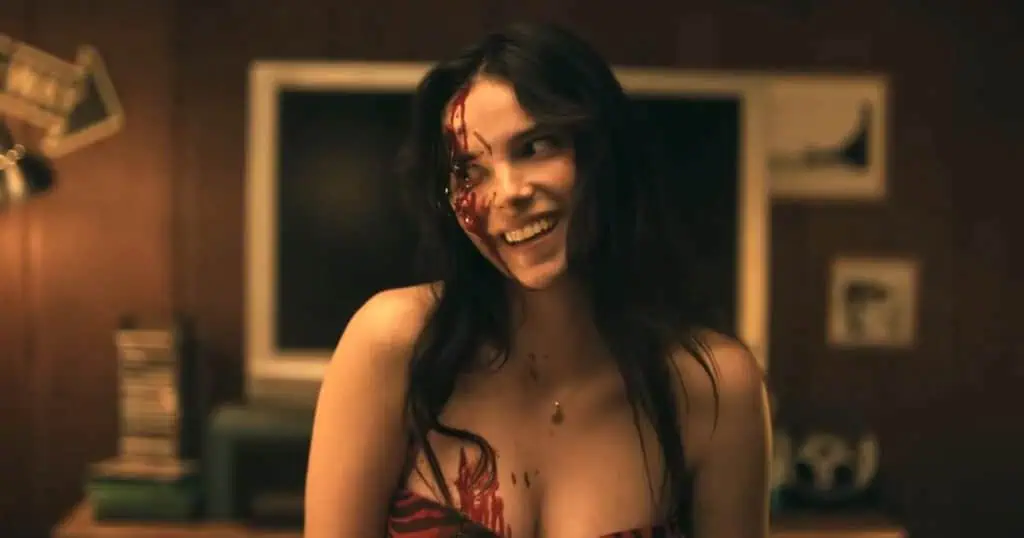
Nikki is the heart of Obsession. She’s the person Bear wants more than anything, but she’s also the person who has to carry some of the movie’s darkest material.
Barker needed an actor who could accomplish something incredibly difficult: Make audiences fall in love with Nikki while also making them believe she could become terrifying. It was a very difficult balance.
For a while, it wasn’t clear whether they would find the right person. Then Inde Navarrette auditioned.
At the time, Navarrette was going through a major transition in her career. Despite appearing as a series regular on Superman & Lois, changes in the show’s fourth season meant her character would no longer continue in that capacity. Fortunately, her audition for Obsession changed everything. She immediately impressed the filmmakers and earned the role of Nikki.
Casting Bear, Sarah, and the Rest of the Ensemble
Michael Johnston had been acting from a young age, appearing in various projects over the years, but he wasn’t a household name. That was exactly what Barker needed.
Johnston earned the role of Bear after a chemistry read with Navarrette, where the two immediately clicked. Their connection was obvious. And that was essential, because the entire movie depends on audiences believing Bear’s obsession with Nikki.
Megan Lawless was cast as Sarah through the traditional audition process.
The rest of the ensemble was filled with actors who had appeared in That’s a Bad Idea sketches, giving the movie a familiar creative energy.
But there was one casting choice that might surprise people.
Andy Richter’s Unexpected Role
Yes. Andy Richter. Conan O’Brien’s longtime comedy partner appears in Obsession as Carter, the owner of the record store and Sarah’s father.
And no, this wasn’t simply a favor or a personal connection. Richter’s representatives sent him the script, he read it, and he liked it enough to pursue the role himself. That’s it. Simple as that.
In fact, Barker even felt the need to clarify that Carter was a relatively small role. Richter didn’t care. He loved the script and wanted to be part of the movie.
The Story of Obsession
At its core, Obsession is a classic monkey’s paw story. A person gets exactly what they want and discovers they never should have asked for it.
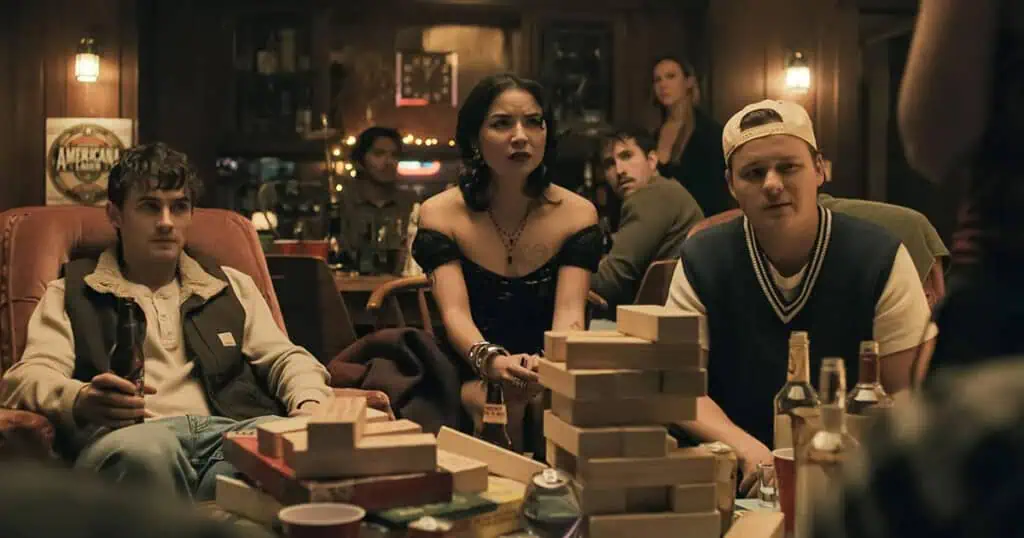
Bear is a bit of a loser, but he isn’t completely alone. He has a close group of friends he regularly plays trivia with. One of those friends is Nikki, the woman he’s completely in love with.
The problem? He’s too afraid to tell her.
Even after his best friend warns him against it, Bear decides he’s finally going to confess his feelings. That’s when he discovers what appears to be nothing more than a joke gift: A One Wish Willow. A magical object that promises one wish. One wish only.
And this is where wording becomes extremely important. Because when making a wish, you really need to choose your words carefully.
“I wish Nikki Freeman loved me more than anyone in the f*cking world.”
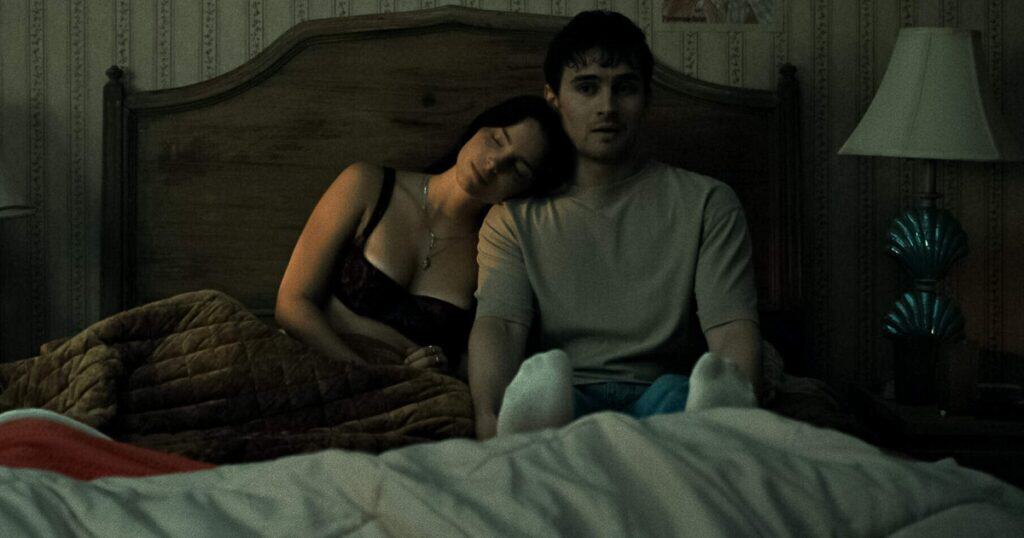
And just like that, Nikki disappears. Not literally. At least, not at first. She’s replaced by someone who looks exactly like Nikki. She sounds like Nikki. She remembers being Nikki. But something is horribly wrong.
Her entire existence revolves around one thing: Loving Bear.
And as you can probably imagine, that gets very, very bad.
Building the World of Obsession
As impressive as Curry Barker’s achievement is, a movie like Obsession doesn’t happen because of one person. It requires an incredible team.
One of Barker’s biggest creative collaborators was director of photography Taylor Clemens. Despite not having the traditional Hollywood résumé of a veteran cinematographer, Clemens caught producer Haley Johnson’s attention through his work on Instagram.
She arranged a meeting. And immediately, Barker and Clemens connected. The two filmmakers bonded over the exact visual style they wanted for Obsession: A dark, shadow-heavy atmosphere that would constantly make audiences feel uncomfortable.
But creating that look required careful preparation.
How They Planned Every Shot Before Filming
Barker and Clemens used a unique previsualization process before production began. Clemens created a 3D scan of the filming locations, allowing the team to digitally map out:
- Camera positions
- Actor movements
- Lighting setups
- Equipment placement
Essentially, they could plan entire sequences before stepping onto set. For a movie with a limited budget, this wasn’t just convenient, it was necessary.
Every wasted minute on a film set costs money. And when you’re working with only $750,000, there isn’t much room for mistakes.
The Unusual Look of Obsession
One of the first things audiences notice about Obsession is its unusual aspect ratio. The movie was shot in a 1.50:1 format, giving it a taller frame than most modern theatrical releases.
This wasn’t an accident. The goal was to make viewers feel slightly uncomfortable from the very beginning. The image itself creates a subtle sense of unease.
Production Begins
Principal photography began in Los Angeles in October 2024. The movie filmed for:
- 20 days of principal photography
- 6 additional days of reshoots
For such a small production, the results are surprisingly ambitious. One of the best examples? The driving scenes.
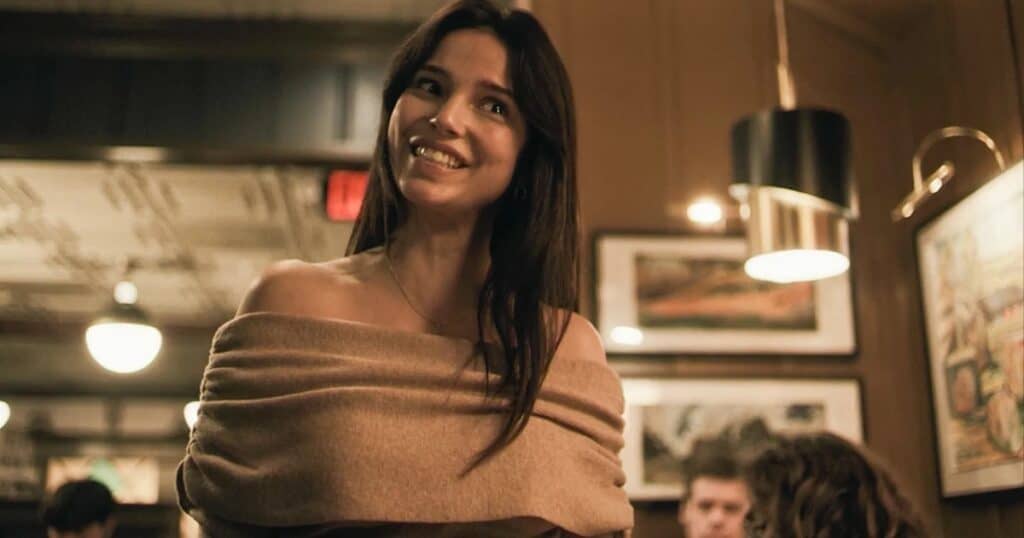
When Bear and the other characters are inside a car, everything feels natural. The lighting changes. Streetlights reflect off the windows. The environment outside feels like it’s actually moving. At first glance, you would assume these scenes were filmed on location. But they weren’t.
The Secret Behind the Driving Scenes
Instead of taking the traditional approach and filming on the road, the production used an LED wall behind the actors. This allowed the filmmakers to control exactly what appeared outside the vehicle while also creating realistic reflections and lighting.
But there was a catch. They didn’t have the budget for a fully programmed system. So the team had to do things the old-fashioned way. Someone had to monitor what was happening on the screen and manually change the colors and visuals to match what a real drive would look like.
Not exactly the easiest process, but it saved money. And more importantly, it gave Barker and his team much more control.
In fact, most of the scenes that take place inside a vehicle used this same technique. So if a scene in Obsession happens inside a car, there’s a good chance it wasn’t filmed on an actual street.
The Real Location Behind Castle’s Music Store
One location that was completely real, however, was Castle’s Music Store. Originally, Barker intended to name the location Mandy’s Music. But the owner wanted the actual name of the store included in the film. The thinking was simple: maybe appearing in a movie would bring in some new customers.
Unfortunately, Castle’s Music Store closed before Obsession even reached theaters. A movie appearance wasn’t enough to save the business.
A Hidden Nod to Curry Barker
Eagle-eyed viewers may also notice another small detail: Barker’s Pub. Yes, it is a reference to the director.
But before anyone assumes this was a case of a filmmaker inserting himself into his own movie, it wasn’t. The crew actually created the sign as a surprise for Curry. So this wasn’t ego. It was just a fun gift from the production team.
The Glass Scene Almost Went Wrong
One of the most memorable moments in Obsession comes when Bear and Sarah are sitting in her car. Sarah begins confessing her feelings for him. Then Nikki suddenly interrupts the moment.
It’s a shocking sequence. But filming it was far more complicated than audiences probably realize.
The production only had three pieces of fake glass available for the shot. That meant they only had three opportunities to get it right.
Then disaster struck. One of the pieces broke during transportation. Suddenly, they were down to two takes.
The first attempt didn’t work. Then, during the second take, a piece of foam accidentally entered the frame and ruined the shot.
That left them with only one chance. Fortunately, the third take was perfect. And that’s the version audiences see in the final film.
Creating the One Wish Willow
The One Wish Willow is the object that sets the entire story in motion. And the design actually came from someone very close to Curry Barker: his mother.
Barker’s mom worked as a graphic artist, and she helped design both the prop itself and the packaging it came in.
The final design was the result of a back-and-forth collaboration between mother and son. A small detail, but one that gives the movie a very personal touch.
The Problem With Falling Money
One of the funniest behind-the-scenes stories involves a scene where Ian’s wish for a billion dollars causes money to rain from the sky. Obviously, the production couldn’t afford to drop mountains of real fake money on set. So the effect had to be created digitally.
The problem? Cooper Tomlinson still had to react as if he was being buried under stacks of cash. And according to Barker, it was incredibly awkward.
If you looked at the raw footage, it was just Cooper standing there pretending to be hit by imaginary money. Understandably, he felt ridiculous.
But that embarrassment paid off. The final scene works. And that’s because Tomlinson committed to the absurdity of the moment.
Why the Ending of Obsession Works So Well
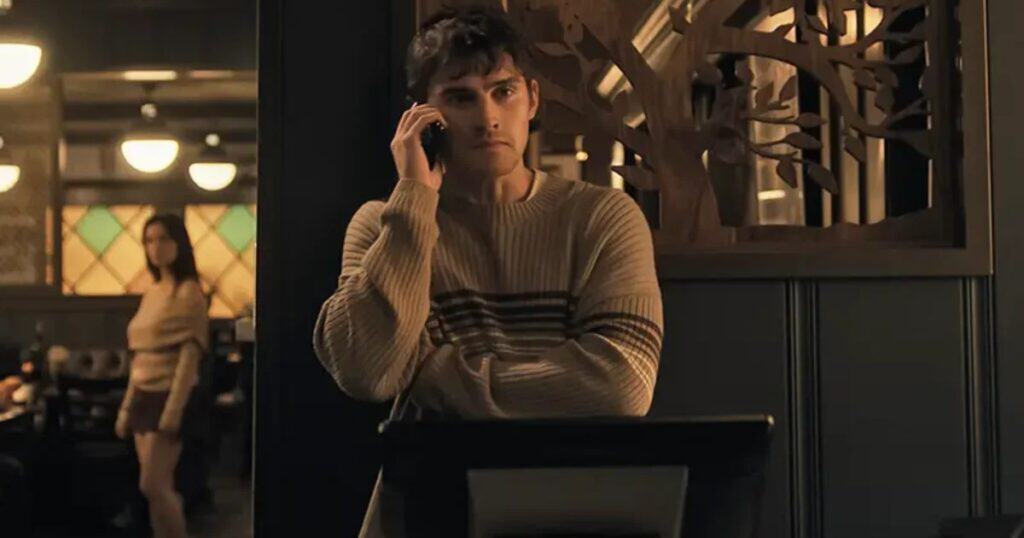
The ending of Obsession is what truly separates the movie from a standard horror story. By this point, Bear’s choices have led to absolute devastation. Ian is shot. Sarah’s body is in the apartment. And Bear finally reaches the moment where it feels like he might actually do the right thing.
He locks himself in the bathroom. He has a gun. He understands what needs to happen. The real Nikki needs to be free, and the only way that happens is if Bear is gone.
For the first time in the movie, it looks like he might finally show courage. But this is Bear. And Bear has spent the entire movie proving exactly who he is.
Bear’s Final Choice
Even when Bear tries to take oxycodone, it initially seems like he has accepted responsibility. Maybe, finally, he’s going to make the sacrifice. But instead, he forces himself to throw up.
What’s interesting is that this detail actually came from the actor. The idea was to make Bear even more pathetic. And it works.
Because the tragedy of Obsession isn’t just that horrible things happen. It’s that Bear repeatedly has opportunities to fix things. And every single time, he chooses himself.
The Original Ending Explained
Then comes the final twist. Nikki wishes for Bear to love her. And for one brief moment, everything changes. Bear finally feels genuine love. But he dies in Nikki’s arms, and the real Nikki is finally free.
The camera then moves toward the television as we hear Nikki crying in the background. It’s haunting. But that wasn’t always the planned ending.
The Ending That Almost Happened
Originally, Obsession was supposed to open and close with the same image: The television.
The movie wouldn’t have begun with Bear and Ian talking in the restaurant. Instead, it would have opened on the TV before the camera moved down to reveal Bear’s dead cat.
But the biggest change involved the ending. In the original screenplay, Nikki wasn’t supposed to survive. After everything that happened, she was going to break from the trance and then shoot herself.
The idea was a full tragedy. A Romeo and Juliet-style ending where everyone loses.
Barker’s father and several others, including Cooper Tomlinson, encouraged him to try a version where Nikki lives. And once he saw it, he realized they were right. It was the stronger ending.
Why Nikki Surviving Is More Tragic
Because yes, it’s horrifying when innocent characters die in horror movies. But sometimes survival is worse.
Look at Sally Hardesty at the end of The Texas Chain Saw Massacre. She escapes Leatherface and the Sawyer family. She survives. But she will carry that trauma forever.
That’s what makes Nikki’s fate so much darker. She hasn’t just survived a nightmare, she’s trapped inside one. She has spent the entire movie watching someone steal her own life. She became a prisoner inside her own body.
And now she has to live with everything that happened. Because the truth is, who is going to believe her? She shot Ian. Gunshot residue is on her hands. Sarah’s body is in the apartment. She’s wearing the clothes of the woman whose corpse was discovered. And with surveillance cameras everywhere, there’s a very real chance someone saw Nikki moving Sarah’s body.
From the outside looking in, the evidence points directly at her. Nikki is alive. But she may have just inherited Bear’s nightmare.
Inde Navarrette’s Breakout Performance in Obsession
As much as Obsession is Bear’s story on paper, the movie ultimately belongs to Inde Navarrette. Without the right actor in the role of Nikki, the entire movie falls apart.
The character requires an almost impossible balancing act. At first, Nikki needs to feel like the ultimate girl-next-door. Someone audiences immediately understand. Someone they want to root for. But as the story progresses, Navarrette has to completely transform the character into something terrifying.
She goes from charming and relatable to unpredictable and horrifying in the blink of an eye. And that’s what makes her performance so impressive. She doesn’t just play two different versions of Nikki. She makes audiences feel the conflict between them.
The Hansel and Gretel Monologue
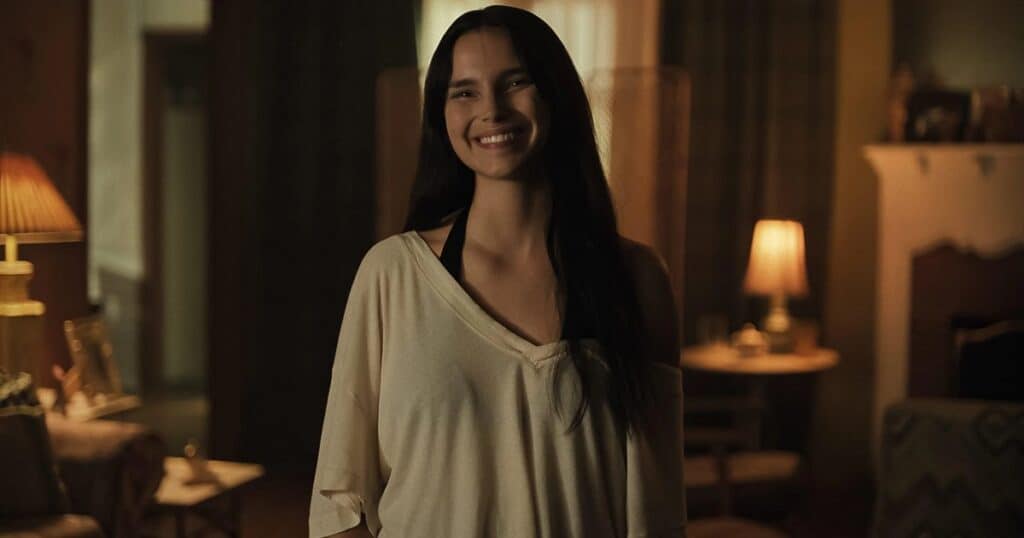
There are countless moments where Navarrette shines, but one scene stands above the rest: the Hansel and Gretel monologue.
It’s the kind of sequence that could have easily gone wrong. Too exaggerated, and it becomes cartoonish. Too restrained, and it loses its impact. Navarrette found exactly the right balance.
In fact, she was so protective of her approach that she kept much of her performance hidden from the rest of the cast and crew. During rehearsals, she didn’t give away exactly what she planned to do. She wanted to surprise everyone.
And according to Curry Barker, that choice ended up making the reactions feel much more authentic. “She wanted to surprise us. I get it. You know, it was the right idea because it made our reactions even better. So, thank you, Inde.”
Even Barker himself didn’t know exactly what she was going to bring to certain scenes. The first scene she filmed was the moment where Nikki kisses Bear on the bed and suddenly has a moment of clarity. The take that audiences see in the finished movie was the first take. Navarrette immediately nailed the emotional complexity of the moment.
And for Barker, it confirmed that they had found the right actor.
A New Horror Star Is Born
Navarrette’s performance has become one of the biggest talking points surrounding Obsession. And it’s easy to understand why. She manages to make Nikki sympathetic, frightening, funny, and heartbreaking depending on what the scene requires.
It’s the kind of performance that announces: This is someone audiences are going to be watching for a long time.
Obsession Takes Hollywood by Surprise
The response to Obsession began before the movie even reached theaters. The film premiered at the Toronto International Film Festival on September 5, 2025, and audiences went wild.
The reaction was so strong that Focus Features ultimately paid a reported $15 million for distribution rights, the largest deal for a horror film at that year’s festival.
Then, after the TIFF screening, Jason Blum came aboard as an executive producer. For Blumhouse, it was an opportunity to attach itself to a movie that represented exactly what horror has always done best: Finding new voices.
The Box Office Success of Obsession
When Obsession finally arrived in theaters on May 15, 2026, expectations were already high. But the movie still managed to surprise everyone.
The film opened with more than $17 million domestically. And then something unusual happened. Instead of dropping sharply in its second weekend, it grew.
The second weekend brought in approximately $24 million. The third weekend added another $27.4 million. That kind of week-to-week growth is almost unheard of for a theatrical horror release.
Movies usually peak immediately and then decline. Obsession did the opposite. Audiences kept discovering it, and they kept telling other people to see it.
Critical and Audience Response
The reaction wasn’t just financial. Critics and audiences embraced the movie as well. Obsession earned a 94% approval rating on Rotten Tomatoes from both critics and audiences.
The general consensus praised the film for taking a familiar horror concept, the monkey’s paw story, and twisting it into something that felt fresh.
As the critical summary put it: “Taking an icky concept and twisting it to deviously crowd-pleasing ends, Obsession is dauntingly disturbing while also skillfully amusing and thrilling.”
And that combination is exactly what made the movie connect. It isn’t just scary. It’s funny. It’s uncomfortable. It’s something people want to talk about afterward.
Why Obsession Has Stayed in the Conversation
The best horror movies don’t end when the credits roll. They stay with you. They make you ask questions.
What would you do if you only had seven days to live? What if every time you fell asleep, someone was trying to kill you in your dreams? What would you do if death was coming for you?
Those questions are what keep movies alive long after audiences leave the theater. And Obsession has plenty of them.
What would your one wish be? What happens when a wish accidentally destroys someone’s life? How far did Bear go? Was Bear always a bad person, or did the situation reveal who he really was? What happened to the real Nikki? What happens next?
Those are the conversations that keep people talking. And that’s exactly what every great horror movie wants.
Was Bear Always the Villain?
One of the most interesting things about Obsession is that Bear is not a traditional horror protagonist. He’s not evil. He’s not trying to hurt anyone. But he is incredibly selfish.
At the beginning of the movie, viewers can understand why he makes the wish. Who wouldn’t want the person they love to love them back? Most people aren’t approaching that situation thinking about magical consequences. They’re treating it like a fantasy.
The problem is what Bear does afterward. Once the wish becomes real, he keeps making the wrong choice. Over and over again. He sees the damage he’s causing. He knows people are suffering. But he continues trying to preserve his own happiness. And eventually, he gets exactly what he deserves.
Why Obsession Could Change Horror Forever
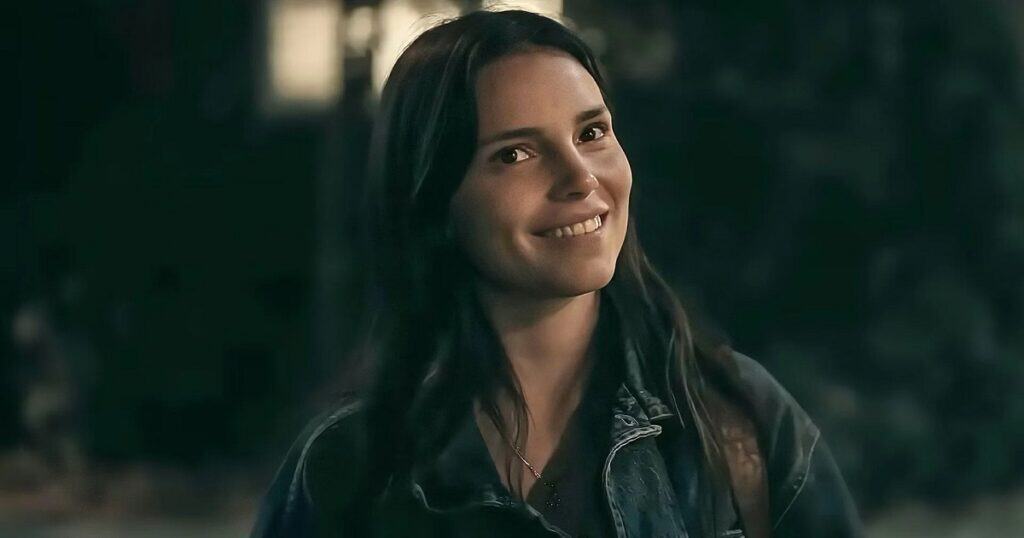
Whether it’s the excitement surrounding Curry Barker’s emergence as one of horror’s most promising new filmmakers or the arrival of a major new performer in Inde Navarrette, it’s easy to understand why Obsession has become such a phenomenon.
This doesn’t feel like just another successful horror movie. It feels like the beginning of something.
A filmmaker working with a budget under $1 million was able to create a movie that competed with studio releases, connected with audiences, and became one of the year’s biggest theatrical success stories.
Those numbers are almost impossible to believe, and Hollywood has taken notice.
Hollywood Is Finally Taking YouTube Filmmakers Seriously
For years, there was a question hanging over internet creators: Could they actually make the jump to Hollywood?
The answer, increasingly, appears to be yes. The success of Iron Lung, Backrooms, and Obsession proves that audiences aren’t just following creators because they recognize their names. They’re following them because those creators know how to tell stories.
They understand pacing. They understand visuals. They understand how to build an audience. And most importantly, they understand what people want to see.
The old idea that someone could only become a filmmaker by following the traditional Hollywood path is starting to disappear. The next generation may already be making movies. They’re just making them online first.
The Future of Curry Barker
The biggest question now is simple: What’s next for Curry Barker?
Fortunately, horror fans don’t have to worry about him leaving the genre after finding success. Barker has already shot his next feature, Anything But Ghosts, which he made with Cooper Tomlinson. Aaron Paul and Bryce Dallas Howard are also in the cast.
And that’s not the only reason horror fans should be paying attention. Cooper Tomlinson is also taking on another major genre project, with an upcoming Texas Chainsaw Massacre movie in development.
So even though Obsession may have been Curry Barker’s big breakthrough, this doesn’t look like a one-time success.
The Beginning of a New Horror Era?
For years, horror fans have waited for the next wave of filmmakers to emerge. We’ve seen this happen before. John Carpenter. Wes Craven. David Cronenberg. Jordan Peele. Robert Eggers. Ari Aster. Every generation brings new voices that reshape what horror can be.
Now, filmmakers who built their audiences online are entering that conversation. And if Obsession is any indication, we could be watching the beginning of another major shift.
The exciting part isn’t just seeing what Curry Barker does next. It’s seeing who else is waiting to break through.
Final Thoughts on Obsession
A great horror movie isn’t just one that scares you. It’s one that stays with you. t’s one that makes you argue about the characters. It’s one that makes you ask what you would have done differently. And Obsession does exactly that.
Would you make the same wish as Bear? Would you word it differently? At what point should Bear have realized he had gone too far? Could he have saved Nikki? Could anyone have survived what happened?
Those questions are what keep a movie alive. Obsession is a movie people are going to be talking about for a long time.
Whether it’s Curry Barker announcing himself as one of horror’s most exciting new voices or Inde Navarrette delivering a performance that introduces a major new talent, this feels like the start of something.
A filmmaker working with a tiny budget created one of the year’s biggest horror hits. A new generation of creators is proving they don’t need permission to make great movies. They just need the opportunity. And if Hollywood is paying attention, that opportunity is finally arriving.
And that, my friends, is what happened to Obsession.
A couple of previous episodes of this show can be seen below. For more, check out the JoBlo Horror Originals YouTube channel—and don’t forget to subscribe!













The comment section exists to allow readers to discuss the article constructively and respectfully, focused on the topic at hand.
What’s Not Allowed