
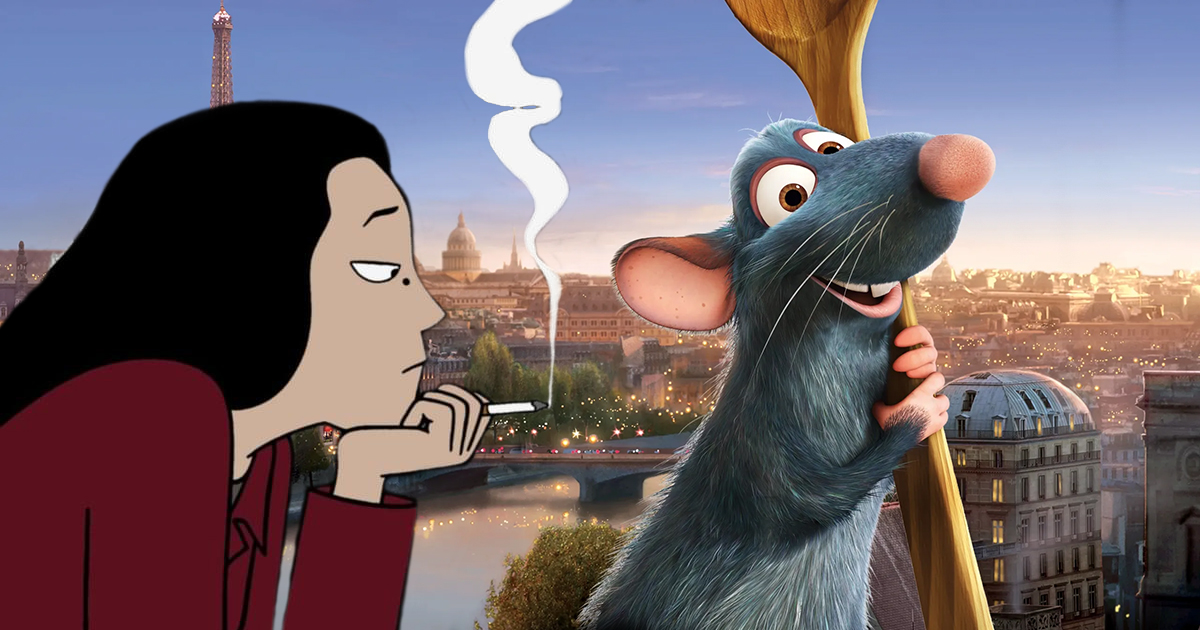

Every year without fail, Hollywood and other foreign markets bring unforgettable cinematic experiences to the masses, feeding our senses with creativity, imagination, and in rare instances, the impossible. In many cases, we’re spoiled when it comes to live-action offerings, but what about animation? Today, we’re looking back on 2007, the year Prince performed the greatest Super Bowl halftime show of all time, LCD Soundsystem set fire to the dance floor with the second studio album “Sound of Silver,” and the Spice Girls launched a record-breaking comeback after the group’s decade-long absence from the music scene.
Looking back, there are any number of wild pop culture milestones to mark the year Cara Cunningham told everyone to “Leave Britney alone.” Still, today, we’re setting our sights on the greatest animated films of 2007, with a Top 5 list that’s sure to make you feel nostalgic and appreciative of the leaps we’ve made in the cinematic art form since then.
Top 5 Animated Films of 2007 Ranked (Quick List)
- Persepolis – Best Overall Animated Film of 2007
- Ratatouille – Best Mainstream Animated Film
- Wolf Children – Most Emotional Animated Film
- 5 Centimeters Per Second – Best Romantic Animated Film
- Evangelion: 1.0 You Are (Not) Alone – Best Anime Reimagining
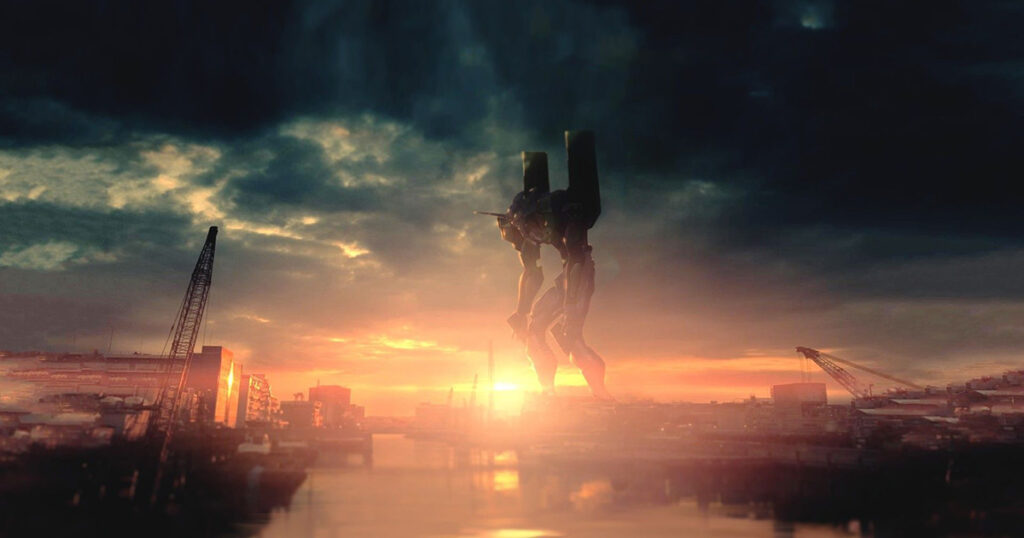
5) Evangelion: 1.0 You Are (Not) Alone
Directors: Hideaki Anno, Masayuki, Kazuya Tsurumaki
Studio: Studio Khara
Genre: Science Fiction / Psychological Drama / Mecha Anime
Animation Style: Digital anime remake
Franchise: Neon Genesis Evangelion
Major Legacy: Successfully reimagined the original Evangelion storyline for a modern audience with enhanced visuals and new story elements
Cultural Legacy: Helped introduce a new generation of viewers to the Evangelion franchise while reigniting discussion around one of anime’s most influential properties
While the original series and The End of Evangelion will always be my go-to for introducing potential fans to this time-honored, ever-evolving anime, Evangelion: 1.0 You Are (Not) Alone is a rare remake that adds new gears and wires to a classic build. In the reimagined film, the fate of the world becomes threatened by seemingly monstrous entities known as Angels. NERV is an organization set up to counter this threat, and it is up to young pilots, Shinji and Rei, to protect Earth. However, NERV hides a dark secret as the nature of the Evas is shrouded in mystery, masking an astonishing connection to the pilots that changes everything.
You Are (Not) Alone reimagines the first six episodes of the Evangelion saga. At first, the goal was to recreate the series using existing assets from the original release, with roughly 150 new cuts. However, after complications with the original art arose, the team began building the film from scratch. Soon, You Are (Not) Alone introduced new scenes, story elements, enhanced effects, and refined character models for a brand-new Evangelion experience.
While not every fan celebrates the changes made to the original, You Are (Not) Alone is an alternate take on an anime classic that shines with ambition, imagination, and fresh coats of paint on an aging property. Evangelion purists might recommend skipping this entry in favor of the original series or one of the other reimaginings, but as a part of the franchise’s evolution, You Are (Not) Alone is a thrilling example of giving creators space to turn the toy box over and take a different approach to playtime.
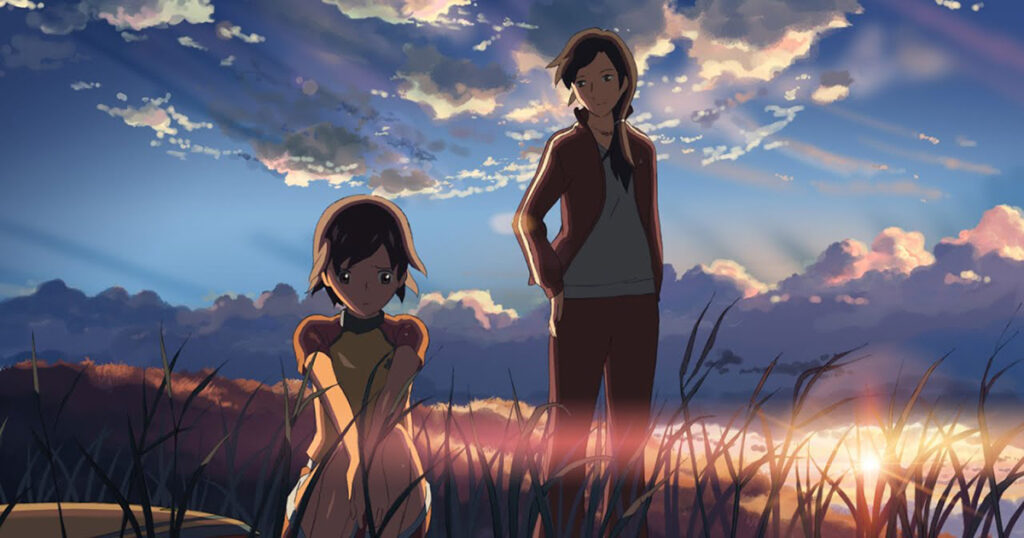
4) 5 Centimeters Per Second
Director: Makoto Shinkai
Studio: CoMix Wave Films
Genre: Romance / Drama / Slice-of-Life Anime
Animation Style: Hyper-detailed atmospheric anime
Franchise: Standalone title
Major Legacy: Cemented Makoto Shinkai’s reputation as one of anime’s premier visual storytellers
Cultural Legacy: Became one of the defining long-distance romance anime films of the 2000s thanks to its emotional realism and breathtaking visuals
After highlighting the beauty and genius of Makoto Shinkai’s 2004 drama The Place Promised in Our Early Days, the Japanese filmmaker and novelist returns to the charts for his 2007 masterpiece 5 Centimeters Per Second. Forgoing fantasy and science fiction elements from his past work, Shinkai’s 5 Centimeters film is a triptych romance set in our real world. Told in three interconnected segments, Shinkai’s psychological drama focuses on Takaki, who recounts his life as cruel winters, cold technology, and, finally, adult obligations and responsibilities converge to test the delicate petals of love.
Presented with a deliberately slow, dreamy pace, 5 Centimeters Per Second is a tale of longing, human connection, and the romantic notion that time and space hold no sway over the enduring effects of true love. Shinkai’s film shines with astoundingly gorgeous animation, his habit of making reflective surfaces shimmer ever-present, blinding audiences with the world’s natural beauty that we often take for granted. While romance in film typically ends predictably, 5 Centimeters Per Second takes the story in an alternate direction, emphasizing that love is sometimes more precious and unpredictable than we can ever hope to dream.
3) Wolf Children
Director: Mamoru Hosoda
Studio: Studio Chizu
Genre: Fantasy Drama / Family Animation
Animation Style: Soft watercolor-inspired anime
Franchise: Standalone title
Major Legacy: Established Mamoru Hosoda as one of modern anime’s most important filmmakers
Cultural Legacy: Widely praised for its emotionally authentic depiction of motherhood, parenting, and family identity
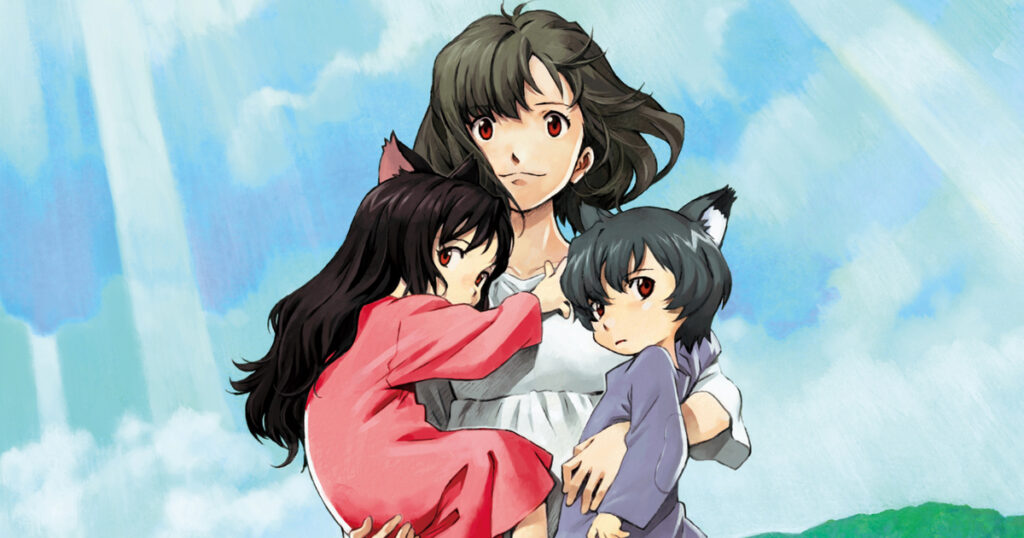
Returning to our animation lists with a one-two punch is The Girl Who Leapt Through Time filmmaker Mamoru Hosoda with Wolf Children, an endearing and tear-jerking animation about loss, parenting, and the willingness to let loved ones pass through your embrace like a rush of falling water. After her werewolf lover unexpectedly dies in an accident, Hana must find ways to raise their werewolf son and daughter while keeping their trait hidden from society.
Keeping the family’s secret takes a toll on Hana as she struggles to hide her children’s true nature from prying eyes, service workers, nosy neighbors, and authority figures who question her penchant for avoidance and her laundry list of excuses. Wolf Children is a touching film for parents of all kinds, though it’s especially potent for those with little hellraisers. Hosoda’s story delves into the stresses, poisoned thoughts, and joys of parenthood, telling a tale that speaks to the lengths some will go to protect their loved ones from prying eyes and malicious intent. Wolf Children is one of Hosoda’s most relatable films, as many of us know what it’s like to bare our teeth in the face of adversity and judgment over raising rambunctious children.
2) Ratatouille
Director: Brad Bird
Studio: Pixar Animation Studios
Genre: Comedy / Family / Culinary Adventure
Animation Style: Stylized CGI animation
Franchise: Standalone title
Major Legacy: Elevated food animation and environmental detail to new heights in CGI filmmaking
Cultural Legacy: Became one of Pixar’s most beloved films due to its themes of creativity, ambition, and artistic passion
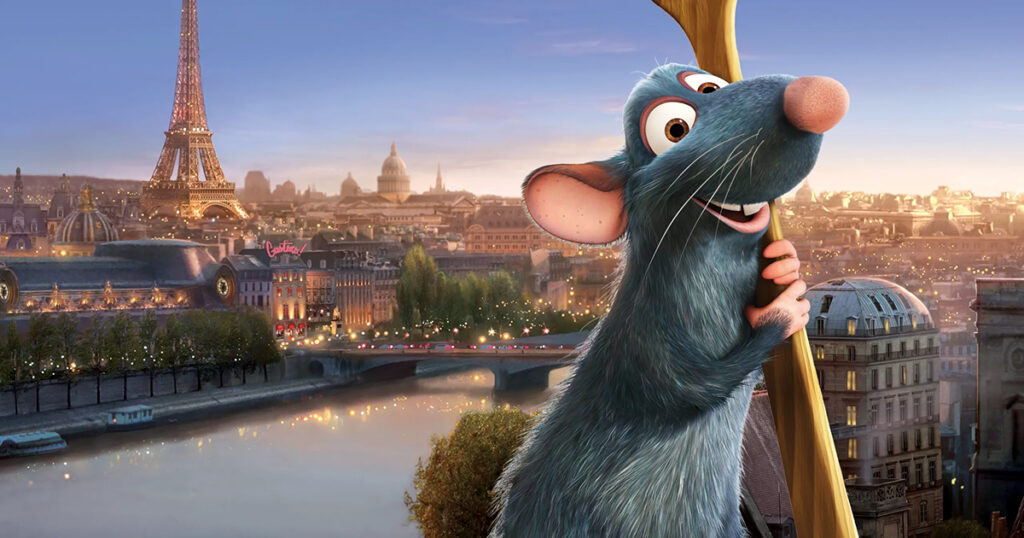
After creating what some call the greatest superhero movie ever made with 2004’s The Incredibles, Brad Bird served audiences his next Pixar classic on a silver platter with Ratatouille. Delectable from the main course to the final crumb, Ratatouille tells the inspiring story of Linguini, a kitchen worker in a Paris restaurant who makes a name for himself by preparing mouth-watering dishes with the help of Remy, a rat who can puppeteer Linguini with a tug on the aspiring chef’s shaggy hair.
Ratatouille is a finger-licking good tale of unlikely friendship, big dreams, and ways that being clever can help you achieve the seemingly impossible. While Linguini and Remy’s scheme is deceptive, it carves a mutually beneficial path toward victory and notoriety as the duo rises through the ranks of a profession peppered with ruthless competition, backstabbers, and spotlight stealers. Pixar brings Paris to life in ways that are fanciful and authentic while treating audiences to a heartwarming dish of true friendship, hilarious hijinks, and food that will make you want to run to the nearest restaurant serving Italian and French cuisine as soon as the credits roll.
1) Persepolis
Directors: Marjane Satrapi, Vincent Paronnaud
Studio: Sony Pictures Classics / 2.4.7. Films
Genre: Biographical Drama / Political Animation
Animation Style: Black-and-white graphic novel-inspired animation
Franchise: Adaptation of Marjane Satrapi’s graphic novel
Major Legacy: Demonstrated the power of animation as a vehicle for autobiographical and political storytelling
Cultural Legacy: Remains one of the most acclaimed animated films about revolution, identity, and cultural displacement
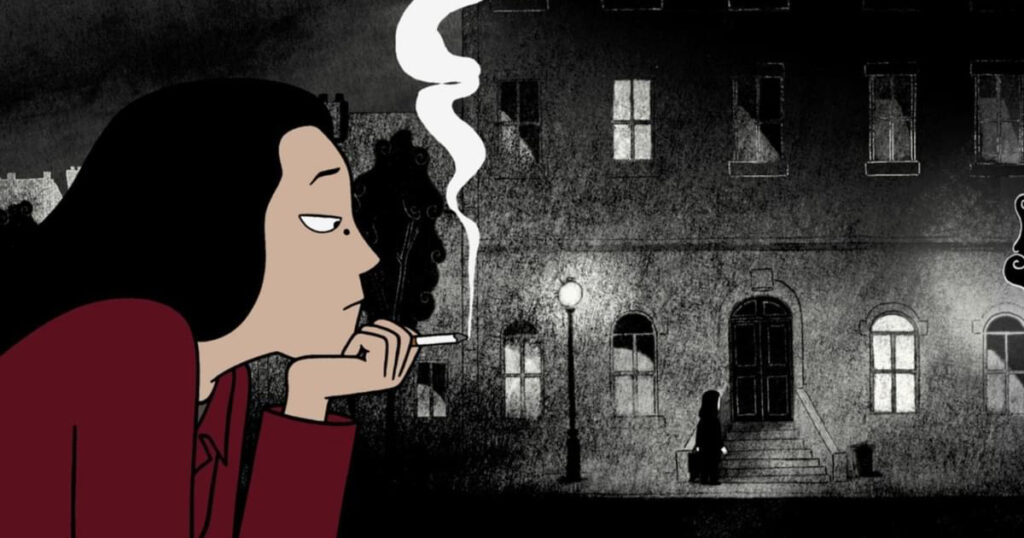
Based on the autobiographical, multi-award-winning graphic novel by Marjane Satrapi, Persepolis is a powerful animated adaptation telling the coming-of-age story of a young girl during the Islamic Revolution. Presented using a combination of color and black-and-white, Persepolis is an impactful tale of resistance, radicalization, and rehabilitation in an unjust world suffering under the crushing weight of old beliefs, political turmoil, and a desire to break free of the chains that bind us.
Marjane, with her insatiable lust for knowledge, explores her world through acts of rebellion, the rabble-rousing grooves of heavy metal, and a complicated relationship with her god that’s just as perplexed by the world as she is. Throughout the film, Marjane attempts to navigate a broken society on her own terms while pondering her familial trauma with a mind that’s both open and resistant to old ways. Persepolis is a beautiful, meticulous depiction of the human spirit, with Marjane’s journey inspiring those who want to carve their own path in a world that’s terrified to move beyond the confines that keep it rooted in past mistakes and traditional ideologies.
Frequently Asked Questions About the Best Animated Films of 2007
What was the best animated movie of 2007?
Many critics and animation fans consider Persepolis the best animated film of 2007 because of its emotional storytelling, political themes, and striking visual presentation.
Why is Ratatouille considered one of Pixar’s best movies?
Ratatouille combines exceptional animation, heartfelt storytelling, memorable characters, and universal themes about creativity and artistic ambition, making it one of Pixar’s most beloved films.
What anime movies came out in 2007?
Notable anime films released in 2007 include:
- Evangelion: 1.0 You Are (Not) Alone
- 5 Centimeters Per Second
- Tekkonkinkreet
- Sword of the Stranger
Why is 5 Centimeters Per Second so influential?
Makoto Shinkai’s film helped popularize emotionally grounded anime romance storytelling with hyper-detailed visuals and themes of distance, memory, and emotional longing.
Why is Persepolis important?
Persepolis demonstrated that animation could successfully tell deeply personal political stories aimed at adult audiences while retaining emotional intimacy and artistic beauty.
What made 2007 such a strong year for animation?
The year balanced mainstream studio successes like Ratatouille with ambitious international and independent animated films that pushed storytelling and visual experimentation forward.
Which 2007 animated film had the biggest cultural impact?
Ratatouille arguably had the broadest mainstream cultural impact thanks to Pixar’s global reach and the film’s enduring popularity among audiences of all ages.
Are these animated films still worth watching today?
Absolutely. Many of these films remain highly influential because of their emotional storytelling, visual artistry, and thematic depth.
What animated movies influenced modern anime filmmaking the most?
Films like Evangelion: 1.0 You Are (Not) Alone and 5 Centimeters Per Second helped shape modern anime aesthetics, emotional storytelling, and cinematic presentation.
There you have it, folks. What do you think about our Top 5 Animated Films of 2007 list? Are your favorite films represented here? Are there any grievous omissions? Leave us a comment and let us know what your Top 5 Animated Films of 2007 are! Until next time. Cheers!


























The comment section exists to allow readers to discuss the article constructively and respectfully, focused on the topic at hand.
What’s Not Allowed