
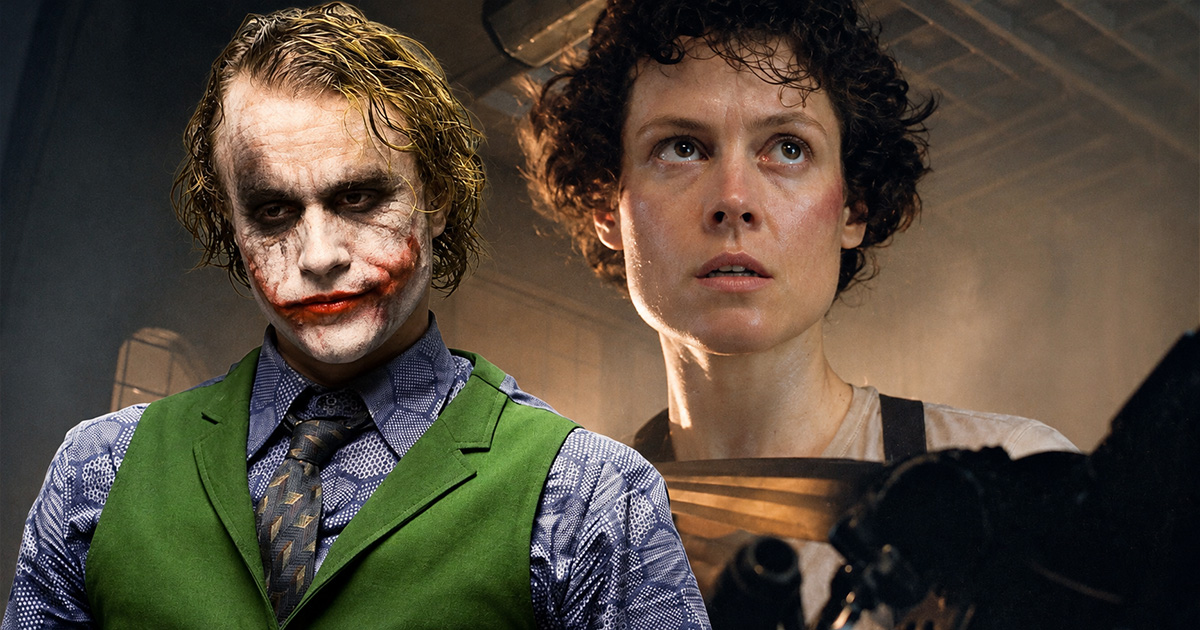

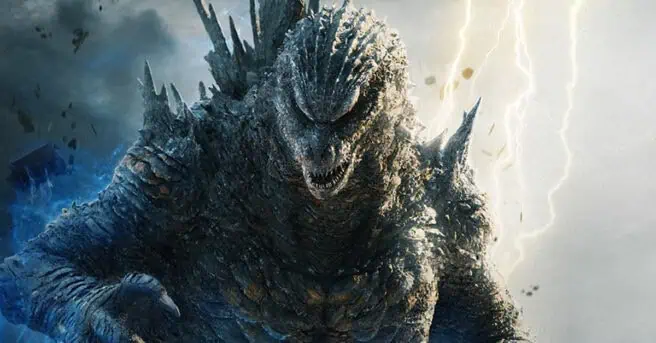
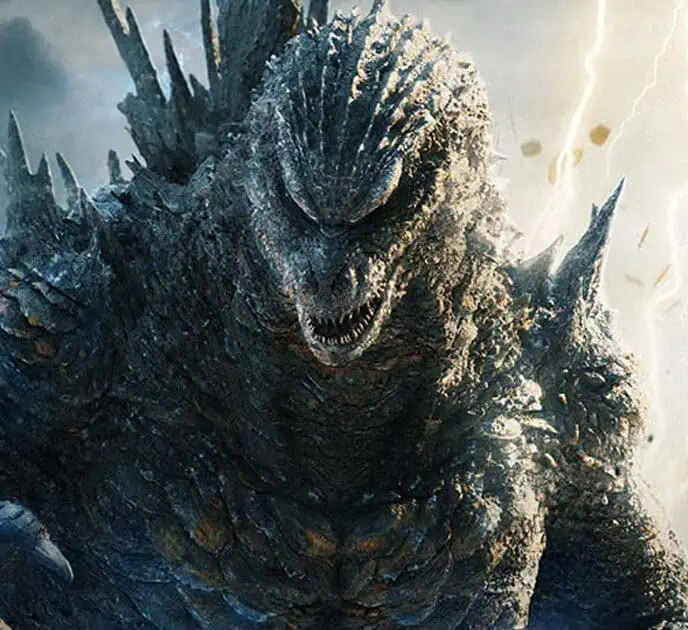
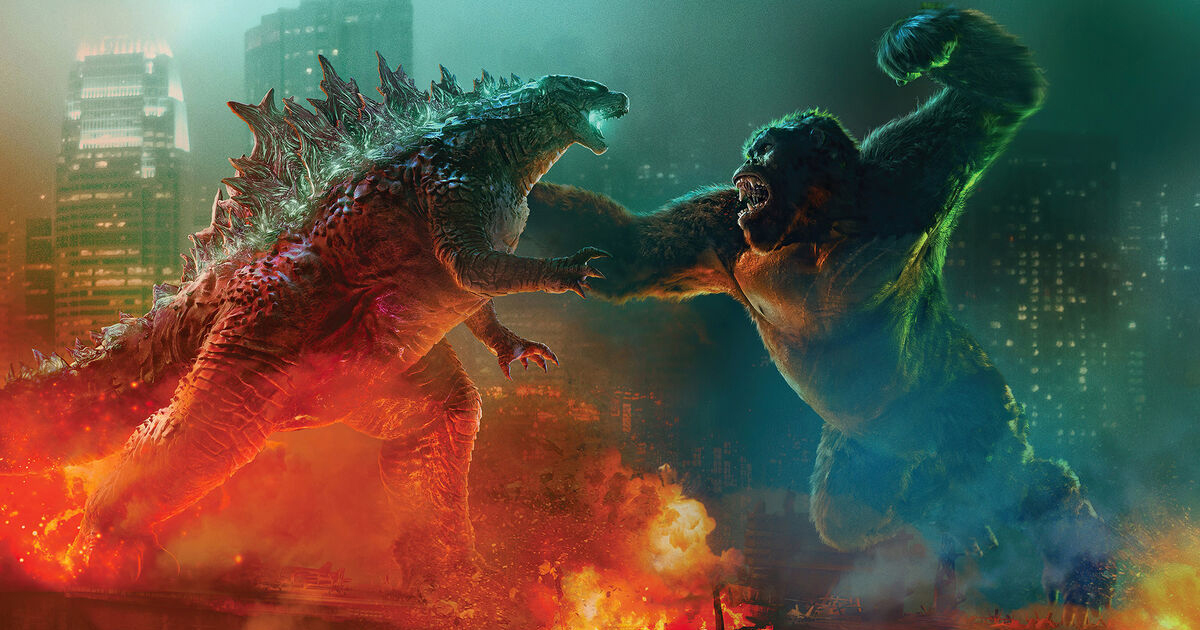
Can a sequel beat a great original? Godzilla Minus Zero looks ready to make its case, earning rave reviews and heading toward an opening weekend more than double that of Godzilla Minus One. It wouldn’t be the first follow-up to raise the bar. From The Empire Strikes Back to The Dark Knight, these five sequels took what worked in the original and delivered something even better.
The Empire Strikes Back (1980)
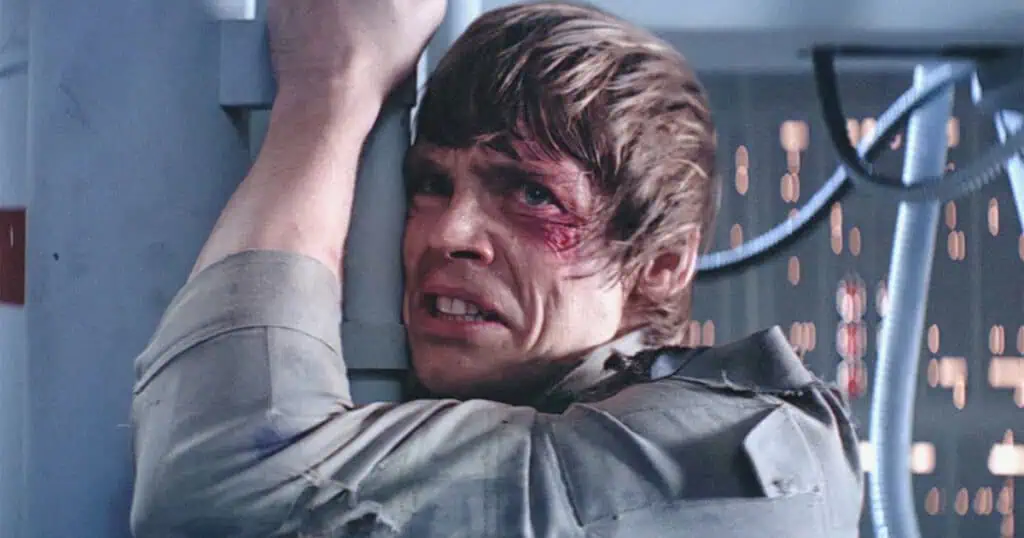
Perhaps the most famous of them all. While Star Wars (long before A New Hope was added to the title) was an industry-changing juggernaut, no one was confident about whether a sequel could ever hold a candle to the original. The skepticism was understandable. At the time, sequels tended to be straight-up cash-ins. Take, for example, another sequel that came out in 1980, Smokey and the Bandit II. They were frowned upon, but in The Empire Strikes Back, George Lucas and director Irvin Kershner, along with a terrific writing team, upped the stakes, zeroed in on the romance between Han Solo and Princess Leia, made a jaw-dropping reveal (Darth Vader’s “I am your father” line to Luke Skywalker was a stunner back in its time), and even ended on a down note. All of this has made The Empire Strikes Back the gold standard for sequels.
Star Trek II: The Wrath of Khan (1982)
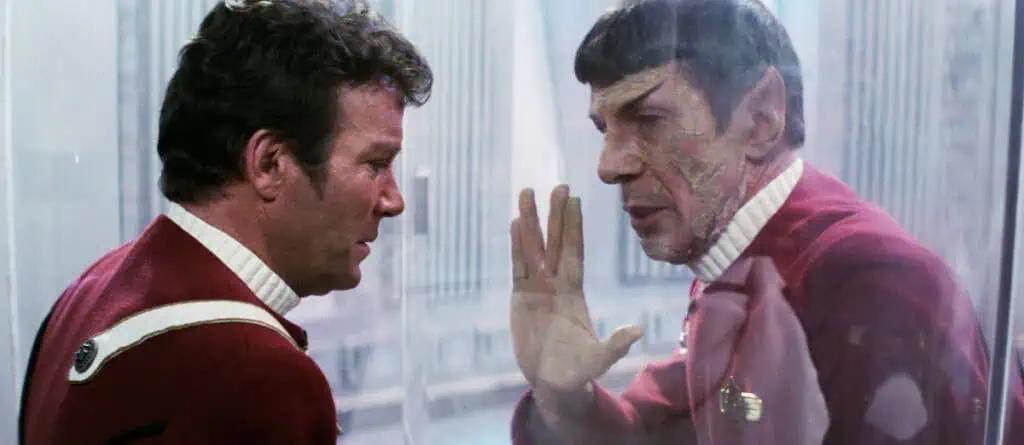
Here’s another one no one thought would work. Star Trek: The Motion Picture made money, but it cost so much that the profits for Paramount were minimal. Audiences also didn’t care for it, with it still called “The Motionless Picture” by many. For the sequel, they went to the TV department at Paramount and made The Wrath of Khan as a low-budget effort that, were it not to work, they could simply release on TV. Instead, it became a smash hit, revitalizing the franchise. Ricardo Montalbán steals every scene as Khan, but it’s the wild twist ending, where Spock is (temporarily) killed off, that made it a sensation.
Aliens (1986)

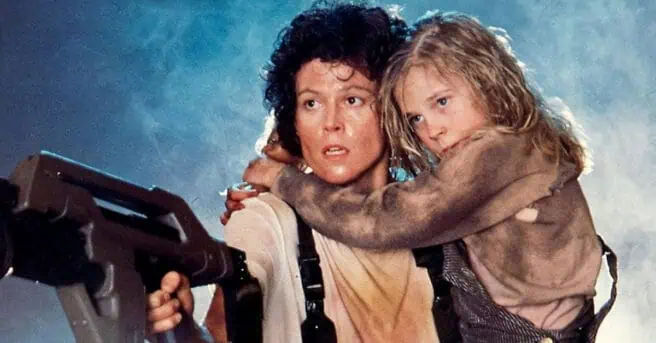
Aliens was another sequel met with some skepticism, as the director of Alien, Ridley Scott, opted not to return for the follow-up, with James Cameron, then viewed as a young upstart, taking over. Instead of making a copycat sequel, he opted to totally reinvent what was expected from a sequel, changing the genre from sci-fi horror in the first film to all-out action in the sequel and giving Sigourney Weaver’s Ellen Ripley a highly personal storyline that actually earned her an Academy Award nomination. While this case is a little less clear-cut than others on the list, as some folks prefer the original Alien, Aliens did totally reinvent the notion of sequels, becoming, for a little while, the gold standard.
Terminator 2: Judgment Day (1991)

Or at least, it was the gold standard until James Cameron once again changed what could be expected of a sequel with T2. While the original was a scrappy, hard-edged indie, Cameron was given a lavish $100 million budget for the follow-up (the biggest ever at the time), thanks to his star, Arnold Schwarzenegger, being the most iconic movie star on the planet, and his experience doing sequels with Aliens. The result was a movie that once again subverted audience expectations, turning Arnie’s T-800 from a villain into a hero, making Linda Hamilton’s Sarah Connor into one of the definitive action heroines of all time, and grounding the film in some very human, emotional storytelling.
The Dark Knight (2008)

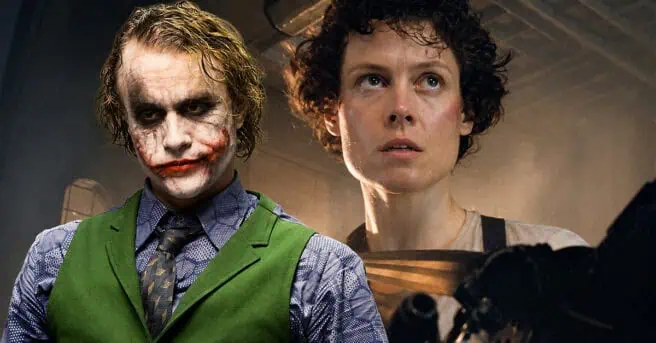
I’ll never forget seeing the IMAX prologue for The Dark Knight before I Am Legend back in 2007. We all loved Batman Begins, and when Nolan announced the sequel, we knew it would be good, but not THIS GOOD. One reason many of us were wary was the casting of Heath Ledger as the Joker. Really? The dude from A Knight’s Tale and Brokeback Mountain? How wrong we were. The prologue, which introduced his take on the Joker, made all of us eat our words, and when it finally came out, The Dark Knight was hailed as a masterpiece. To me, it’s still the greatest superhero movie of all time.
Which one of these is your favorite—and are there any you would include on the list? Let us know in the comments.











The comment section exists to allow readers to discuss the article constructively and respectfully, focused on the topic at hand.
What’s Not Allowed