

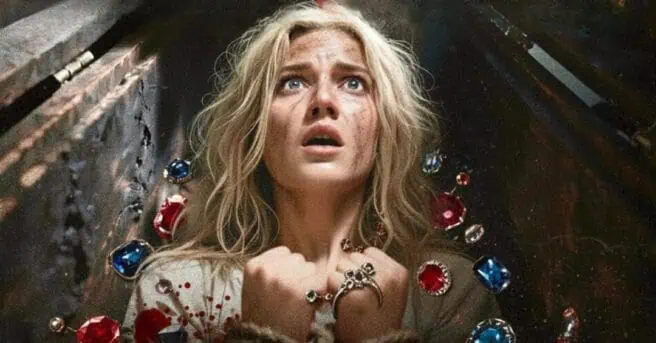
Before he was Ken. Before he went cruising through the neon-lit streets of Los Angeles at midnight in Drive. Before he was breaking hearts in The Notebook and making an entire generation cry in movie theaters. Long before any of that, Ryan Gosling was just a Mouseketeer, a regular kid trying to get his foot in the door of show business. And when he was around twelve years old, he landed a role on one of the most famous horror shows ever to air on television. What was he doing in that role, you ask? Screaming his lungs out because a haunted camera kept turning his family’s photographs into disturbing glimpses of disaster. Yes, that really happened. Gosling appeared in the 1996 Goosebumps episode Say Cheese and Die!
But here’s the part of this story that deserves more attention: the television series almost didn’t happen at all. According to the story behind the deal, a television executive’s son played a surprisingly important role in getting Goosebumps onto the screen in the first place. What if he’d been obsessed with baseball cards instead of scary books? Would you have the show’s unforgettable theme song rattling around in your skull right now?
And speaking of that theme song, there’s a reason its eerie opening notes can trigger such an immediate flashback for anyone who grew up watching the show. Nostalgia certainly plays a part, but there’s also something to be said for the way music becomes tied to powerful memories.
So let’s travel from R.L. Stine’s early career as a comedy writer to Toronto soundstages packed with future stars, past cursed ventriloquist dummies and haunted masks, and finally to the debate that has kept fans arguing for years: Goosebumps or Are You Afraid of the Dark? Which 90s kids’ horror series was better?
Ryan Gosling’s Goosebumps appearance: Gosling played Greg in the 1996 episode Say Cheese and Die!, about a cursed camera that produces disturbing photographs. He also appeared in Are You Afraid of the Dark?, giving fans of 1990s children’s horror two early television appearances to revisit.
How R.L. Stine created Goosebumps
Here’s a twist that would fit right into one of his own books: the man who terrified an entire generation of children didn’t originally set out to become a horror writer.
R.L. Stine, who once used the name Jovial Bob Stine, spent years working as an editor at Scholastic and writing joke books and comedy pieces for children. Funny stuff, with no severed heads or evil ventriloquist dummies required.
Then, in the mid-1980s, Scholastic editor Jean Feiwel encouraged him to write a horror novel for teenagers. Stine hadn’t written horror before, so he went out and studied books by writers already working in the genre. The result was Blind Date, published in 1986. It became a bestseller and helped convince Stine that young readers weren’t merely willing to be scared. They were hungry for it.
That success led to the Fear Street series, which brought horror to a teenage audience. Eventually, Stine’s editors encouraged him to try something similar for younger children. He was hesitant at first, worried that a series for younger readers might interfere with Fear Street. But he agreed to give it a shot if he could come up with a title he liked.
Stine found his answer while flipping through TV Guide. A small advertisement promoting a horror-movie block declared, “It’s Goosebumps Week on Channel 11.” He immediately recognized that the word Goosebumps would make a terrific name for a children’s horror series. It was creepy, playful, and just scary enough.

Scholastic launched the book series in 1992, beginning with titles including Welcome to Dead House, Stay Out of the Basement, and Monster Blood. The books didn’t become an overnight sensation. Stine has recalled that they initially sat on shelves before children began discovering them and recommending them to one another.
Then word of mouth took over. Kids passed the books around at school, showed off the latest covers, and turned reading about monsters into a playground obsession. It was viral marketing before most people had even heard the term.
And you can’t talk about why these books grabbed kids without talking about the covers. Illustrator Tim Jacobus painted the vast majority of the original series’ covers, creating images that were genuinely unsettling while still being suitable for a school book fair. A grinning jack-o’-lantern, a ventriloquist dummy with dead eyes, a hand bursting out of the ground: these were essentially horror-movie posters shrunk down to paperback size.
It worked. The books became a publishing phenomenon, selling hundreds of millions of copies worldwide over the years and turning Stine into one of the defining children’s authors of the 1990s.
Which brings us to the inevitable next step: television.
How Goosebumps became a television phenomenon
The person credited with helping push Goosebumps toward television was Margaret Loesch, then the head of Fox Children’s Network. According to the oft-repeated account of the deal, Loesch noticed how much her own son enjoyed the book Say Cheese and Die! and saw an opportunity to bring the franchise to television.
In 1995, Fox Kids and Scholastic moved forward with an anthology series based on Stine’s books. Scholastic Productions partnered with Toronto-based Protocol Entertainment, and production took place in and around Toronto.
That Canadian setting explains why the neighborhoods, school hallways, and suburban houses in Goosebumps sometimes have a slightly unfamiliar look to American viewers. The show was creating fictional American nightmares on Canadian streets.
The series premiered on October 27, 1995, on Fox Kids in the United States, with Canadian broadcaster YTV also airing it. It ran for four seasons and a total of 74 episodes, concluding in 1998. Over time, the show reached audiences around the world and became one of the most recognizable children’s horror programs of its era.
During its third season, the series also adopted the Ultimate Goosebumps branding. Some episodes featured a wisecracking animated skeleton named Curly, who hosted short segments between stories. Because apparently, even a show about cursed cameras and homicidal dummies needed a mascot.
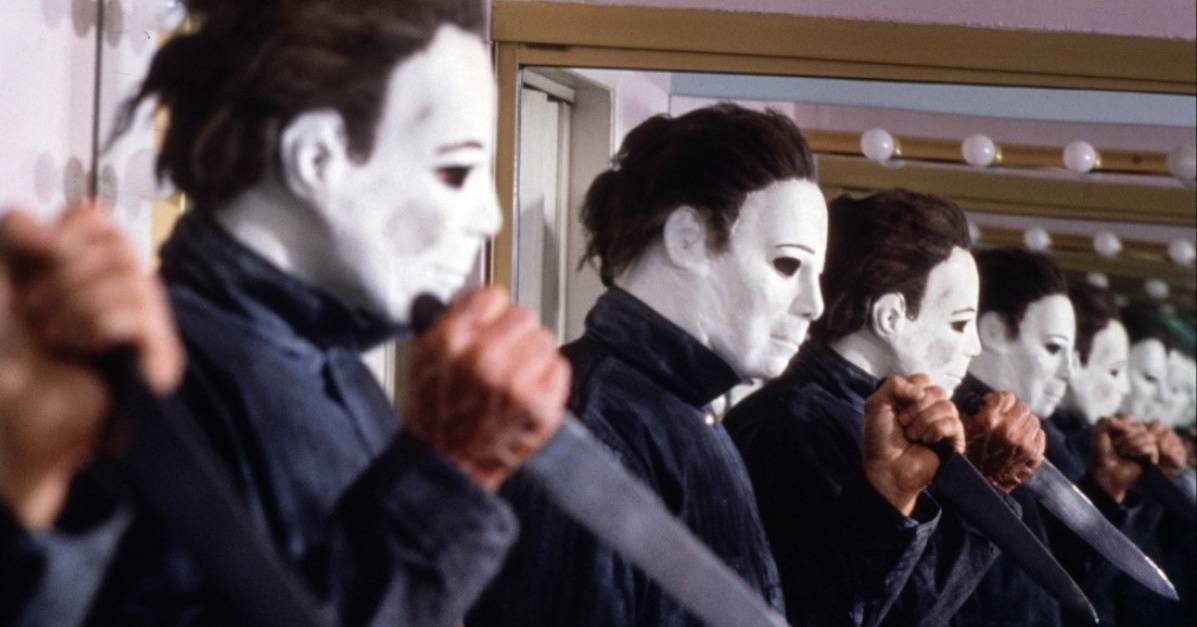
The television series adapted many of the books directly, including The Haunted Mask, Welcome to Camp Nightmare, and the Night of the Living Dummy stories featuring Slappy. If you’d read the books, you generally knew the basic story beats. But television brought those monsters, twists, and cliffhangers to life in a way that made them unforgettable for a generation of viewers.
There were limits, of course. The show was made for a children’s television audience, and the books could be meaner, darker, and more disturbing than network standards allowed. Some of the nastier imagery had to be softened or reworked, while longer stories were compressed to fit a half-hour episode.
That didn’t mean the show was always tame. It could still deliver creepy imagery, unsettling transformations, and twist endings that left young viewers staring at the television long after the credits rolled. It just had to find ways to scare children without going too far.

Why the Goosebumps theme song still works
The music for Goosebumps was composed by Jack Lenz, who created the score, incidental cues, and the show’s instantly recognizable opening theme. If you grew up with this series, you probably don’t need anyone to describe that theme to you. The moment someone mentions it, the music may already be playing in your head.
It begins with an eerie, minor-key piano figure layered beneath the sound of wind, as though the show is inviting you into a house you really shouldn’t enter. Then the lower musical accents arrive, and suddenly you’re locked in for the next twenty-two minutes, whether you wanted to be or not.
What’s impressive is how much atmosphere the theme creates with so little. There’s no need for lyrics or a giant orchestral explosion. The music is playful enough for a young audience, but unsettling enough to function as a warning: something strange is about to happen.
In 2022, Lenz’s Goosebumps music received an official soundtrack release, featuring more than twenty tracks from the series. The album includes the original theme, music associated with episodes such as The Haunted Mask and Welcome to Camp Nightmare, and the gloriously absurd Goosebumps Gotcha Rap.
The theme’s staying power is partly about nostalgia. Music can become closely associated with experiences and emotions, making a familiar tune an especially powerful reminder of a particular time in our lives. For viewers who watched Goosebumps as children, those opening notes can bring back memories of Halloween, school-night television, black VHS tapes, and the thrill of being scared in a way that still felt safe.
Or maybe you just really miss the 1990s. Don’t feel bad. We’re right there with you.
VHS tapes, toys, and the Goosebumps merchandise boom
If you were a kid in the mid-90s, you might not have watched Goosebumps only on television. You may have owned episodes on chunky black VHS tapes, with cover art that extended the same creepy visual style found on the books.
The series inspired a wide range of merchandise, including home-video releases, toys, trading cards, video games, and other tie-ins. Its monsters were perfectly suited to collectible toys, while its painted cover art made the VHS releases feel like miniature horror movies sitting on the shelf.
There were even promotional tie-ins aimed at children during the Halloween season. One reported example was a Taco Bell kids’ meal promotion around Halloween 1996 featuring toys inspired by the series.
Decades later, that merchandise has taken on a nostalgic appeal of its own. The VHS tapes, in particular, capture a very specific era of children’s entertainment: painted horror imagery, plastic cases, video-store shelves, and the excitement of bringing home a story that might scare the living daylights out of you.
The Goosebumps brand had become more than a television show. It was a whole little universe of books, television episodes, toys, and other childhood memories.
Ryan Gosling and the future stars of Goosebumps
Because Goosebumps was an anthology, it needed a fresh cast of young actors for practically every story. That meant the series became an early stop for performers who would later become much more famous.
Hayden Christensen appeared in the two-part 1997 episode Night of the Living Dummy III. Caterina Scorsone, later known for playing Dr. Amelia Shepherd on Grey’s Anatomy, appeared in multiple stories. Scott Speedman, who would become known for Felicity and other projects, also appeared in the series. Even Adam West lent his voice to a superhero character called the Galloping Gazelle in the two-part Attack of the Mutant.
But the cameo that keeps resurfacing online is Ryan Gosling in Say Cheese and Die!.

Gosling plays Greg, a teenager who gets his hands on a cursed camera. The pictures it produces reveal disturbing versions of events and suggest disasters that may be waiting just around the corner. It’s a terrific premise for a children’s horror story, and the episode has remained a memorable entry in the series.
Watching a very young Gosling throw himself into the role has become a nostalgic treat for fans who now know him as an Oscar-nominated actor and one of Hollywood’s biggest stars. It’s hard not to smile at the sight of someone who would eventually become Ken in Barbie delivering the sort of panicked performance that made 90s children’s horror so much fun.
And here’s another fun detail: Gosling also appeared in Are You Afraid of the Dark? That means he crossed paths with both of the era’s best-known children’s horror anthologies before his film career took off.
Which brings us to the fight everyone’s been waiting for.
Goosebumps vs. Are You Afraid of the Dark?
This is the Coke versus Pepsi of 90s kids’ horror, and both shows deserve real credit. Together, they helped make horror a regular part of children’s television at a time when the idea of frightening young viewers could still make broadcasters nervous.
Are You Afraid of the Dark? began in Canada in 1990 before reaching American audiences through Nickelodeon’s SNICK programming block in 1992. Its premise was built around the Midnight Society, a group of kids who gather around a campfire and take turns telling scary stories. Each episode presents one of those stories, while the recurring group provides continuity from week to week.
It’s a clever setup. The audience gets a new nightmare every episode, but also gets to know the kids telling those stories. The campfire framing device gives the series a distinctive atmosphere, making the act of telling a scary story part of the horror itself.
Goosebumps, by contrast, was a more straightforward anthology. New kids, new locations, new nightmares every time, with little connective tissue between episodes beyond the theme song and the world of R.L. Stine’s stories.
That difference shaped what each show did best. Are You Afraid of the Dark? had a recurring group of characters and the atmosphere of a secret storytelling club. Goosebumps could throw viewers directly into a new situation and focus on a single book’s central premise, monster, or twist.
Both series also featured young actors who went on to bigger things. Are You Afraid of the Dark? included performers such as Neve Campbell, Elisha Cuthbert, Melissa Joan Hart, and Jay Baruchel. Goosebumps had its own impressive roster, with Gosling being the most immediately recognizable example today.
But there’s one major advantage that Goosebumps had from the beginning: the books. Are You Afraid of the Dark? was built around original stories created for television. Goosebumps arrived with a pre-existing literary phenomenon behind it. Children were already reading Stine’s books, recognizing the covers, and imagining the monsters before the television adaptation brought them to life.
That built-in audience gave Goosebumps a tremendous head start. The show wasn’t asking viewers to discover a completely new world; it was inviting them into one they already loved.
Which one you prefer depends on what you wanted from your childhood scares. If you wanted the feeling of gathering around a campfire to hear a story, Are You Afraid of the Dark? had the edge. If you wanted a steady supply of monsters, cursed objects, and outrageous twists adapted from books you might already have on your shelf, Goosebumps was hard to beat.
Personally, I wouldn’t want to lose either one. The 1990s had plenty of children’s television that was content to play it safe. These shows made room for the wonderfully unsettling idea that kids could handle being scared, provided the stories knew how to let them back out again.
So, which 90s kids’ horror show was better? Goosebumps gets the edge for its iconic monsters, memorable book adaptations, and wonderfully twisted anthology stories. Are You Afraid of the Dark? arguably wins on atmosphere, with the Midnight Society’s campfire framing device giving it a distinctive identity. If we have to pick one overall, though, Goosebumps wins for the sheer breadth of its horror universe and the lasting impact of R.L. Stine’s books. Both shows helped define a generation of children’s horror, and neither deserves to be forgotten.

Why Goosebumps still matters today
Why is a creepy children’s show from three decades ago still being discussed, memed, and revisited? Part of it is generational math. The kids who grew up with Goosebumps are now adults, and nostalgia has become a powerful part of modern entertainment culture. Familiar theme songs, old VHS covers, and clips of young actors can send viewers straight back to childhood.
But nostalgia alone doesn’t explain the franchise’s longevity. R.L. Stine’s books have continued to reach new readers, and the property has repeatedly been brought back for new audiences.
The franchise expanded into feature films in 2015 and 2018, with Stine himself becoming part of the story in the first movie. A new television adaptation arrived in 2023, followed by Goosebumps: The Vanishing in 2025. The franchise has continued to evolve rather than remaining frozen in its original 1990s incarnation.
The original television series also remains available through streaming services in some markets, making it easier for old fans to revisit their favorite episodes and for new viewers to discover them. Availability varies by region, but the show’s legacy is no longer limited to memories of watching it on television or searching through old VHS collections.
There’s also something to be said for the particular kind of horror that Goosebumps offered. The stories could be frightening, but they were built for young readers and viewers who wanted to experience the thrill of being scared without being left completely helpless. The monsters might be grotesque, the situations might be nightmarish, and the endings might deliver a nasty surprise, but the experience was still designed to be fun.
That’s a big part of the appeal of Stine’s work: children can enjoy the fear because they understand the boundaries of the ride. The stories offer a genuine scare, but they also offer the reassurance that it’s all right to close the book or wait for the end credits.
From a tiny advertisement in TV Guide to a publishing phenomenon, from Toronto soundstages to a future Hollywood leading man screaming at a cursed camera, Goosebumps built a legacy that reaches well beyond its original run. And it all came with a handful of piano notes that can still echo through the back of your skull.
Goosebumps didn’t just survive the 90s. It became one of the defining children’s horror franchises of its era, and it continues to find new audiences. It still does what Stine set out to do: give kids, and apparently adults too, a genuinely fun, safe reason to get goosebumps.
Viewer beware. You already know you’re coming back for the next one.












The comment section exists to allow readers to discuss the article constructively and respectfully, focused on the topic at hand.
What’s Not Allowed