
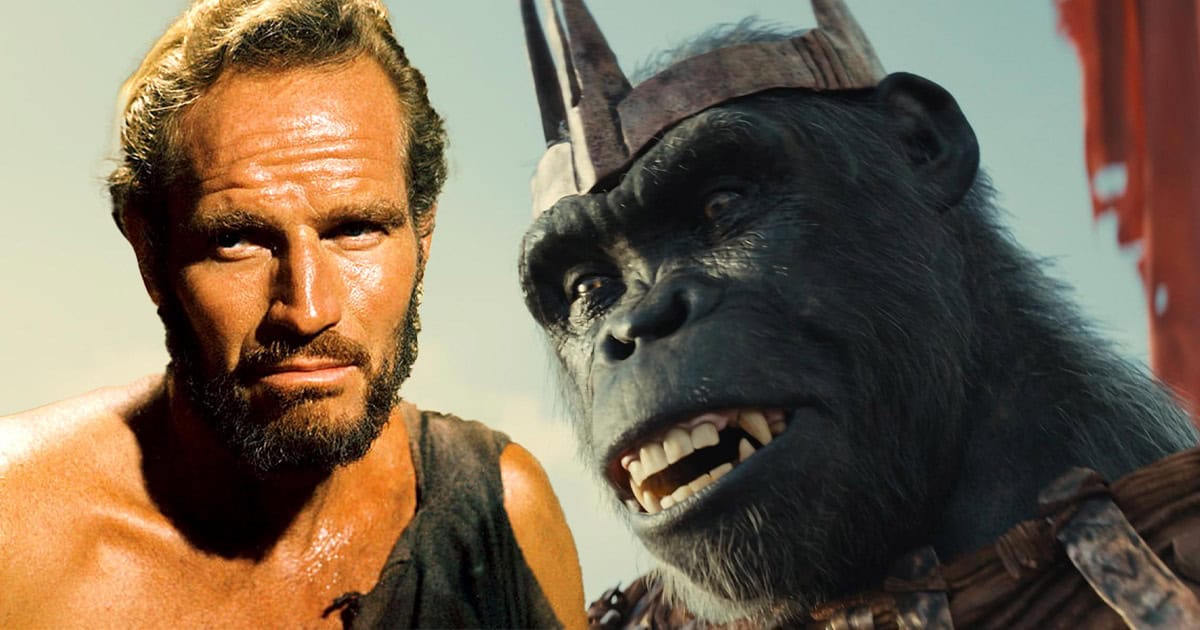

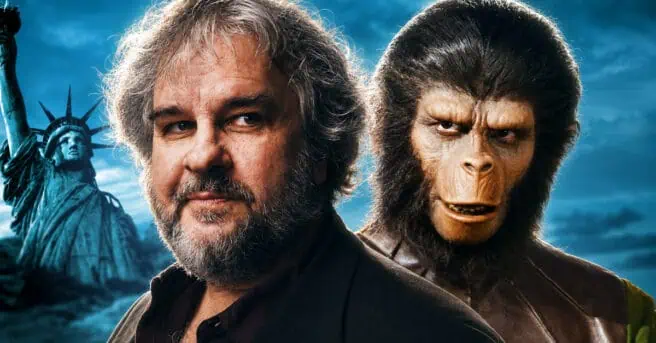
I love me some damn dirty apes, and I’m not alone. Ever since the first Planet of the Apes movie in 1968, it’s been one of Hollywood’s most consistent (on a quality level) franchises. Think about it. Has there ever really been a lousy Planet of the Apes movie? Not really. Yet, it’s often unheralded when we talk about the great franchises. So, let’s look at the series as a whole, with this Planet of the Apes movies ranked list. This ranking is based on storytelling quality, cultural impact, performances, and franchise influence.
Planet of the Apes Movies Ranked (Best to Worst)
- Planet of the Apes (1968)
- Conquest of the Planet of the Apes (1972)
- Dawn of the Planet of the Apes (2014)
- War for the Planet of the Apes (2017)
- Rise of the Planet of the Apes (2011)
- Escape from the Planet of the Apes (1971)
- Kingdom of the Planet of the Apes (2024)
- Beneath the Planet of the Apes (1970)
- Battle for the Planet of the Apes (1972)
- Planet of the Apes (2001)
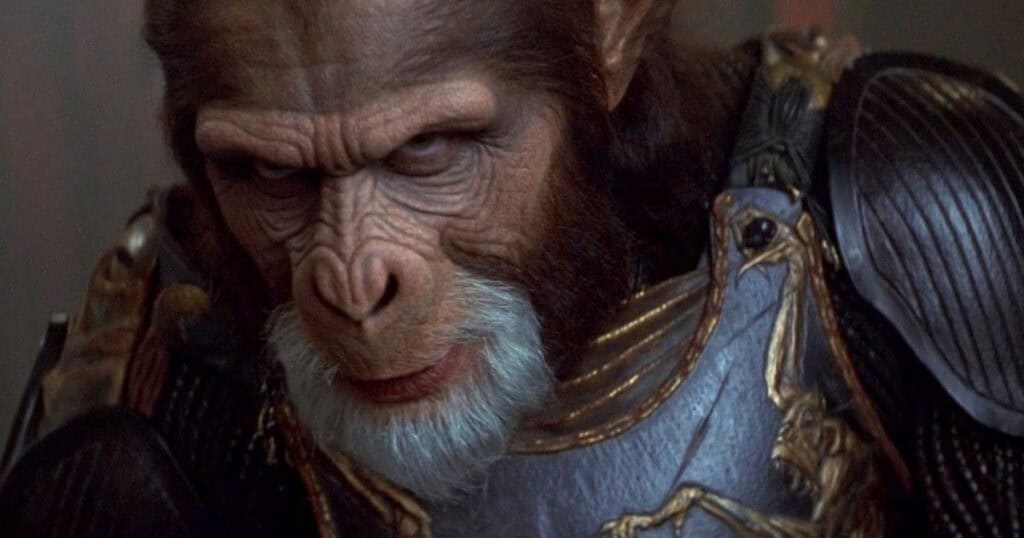
10. Planet of the Apes (2001)
Tim Burton’s remake of the original 1968 classic is a mixed bag. Mark Wahlberg was a little too green at this point in his career to make a captivating action hero, with him paling compared to Charlton Heston’s powerhouse performance in the original. Nobody can play an astronaut crash landing on a planet of apes like Heston. The film itself is more than a little inconsistent, and I can see why it couldn’t launch a big new franchise for the studio, even if it did pretty well financially ($362 million worldwide). However, the makeup from Rick Baker is incredible, and the fact that it’s the last Apes movie to use the old, practical makeup FX instead of CGI makes it a must-see. Also, it’s one of Paul Giamatti’s favourite roles ever.
Final verdict: A visually impressive but uneven remake that’s worth seeing for Rick Baker’s makeup, but lacking the narrative strength to justify its place in the franchise.
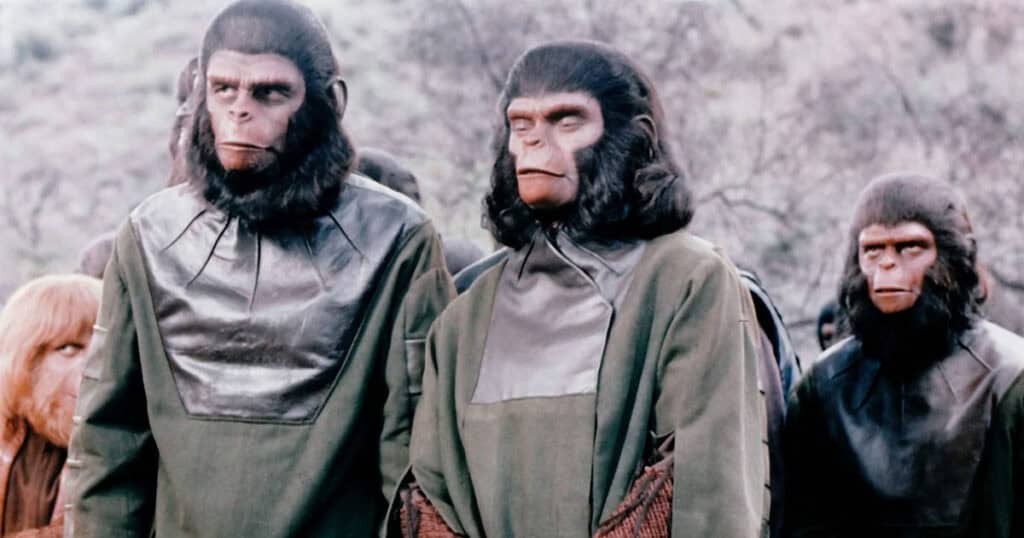
9. Battle for the Planet of the Apes (1972)
In the sixties and seventies, sequels were made differently. The general consensus was always that a sequel would make less money than its predecessor, so the budgets were lower. As the Planet of the Apes series went on at 20th Century Fox, the studio started pumping less and less money into them, and Battle for the Planet of the Apes had a minuscule budget, resulting in the cheapest-looking Apes film of all time and the worst film in the original series. However, it still has Roddy McDowell acting his ass off in the culmination of the original Caesar trilogy. It also has a very eccentric supporting cast, with director John Huston and singer Paul Williams (The Phantom of the Paradise) turning up as Apes. Williams loved playing the part so much that he was known to turn up on talk shows wearing John Chambers’ makeup. Like all the other Apes movies, it made money for Fox, but rather than make an even cheaper sequel, they opted to spin the series off into a short-lived TV series they managed to get McDowell to return for.
Final verdict: A budget-strained finale elevated by Roddy McDowell’s performance, but ultimately the weakest chapter of the original series.
8. Beneath the Planet of the Apes (1970)
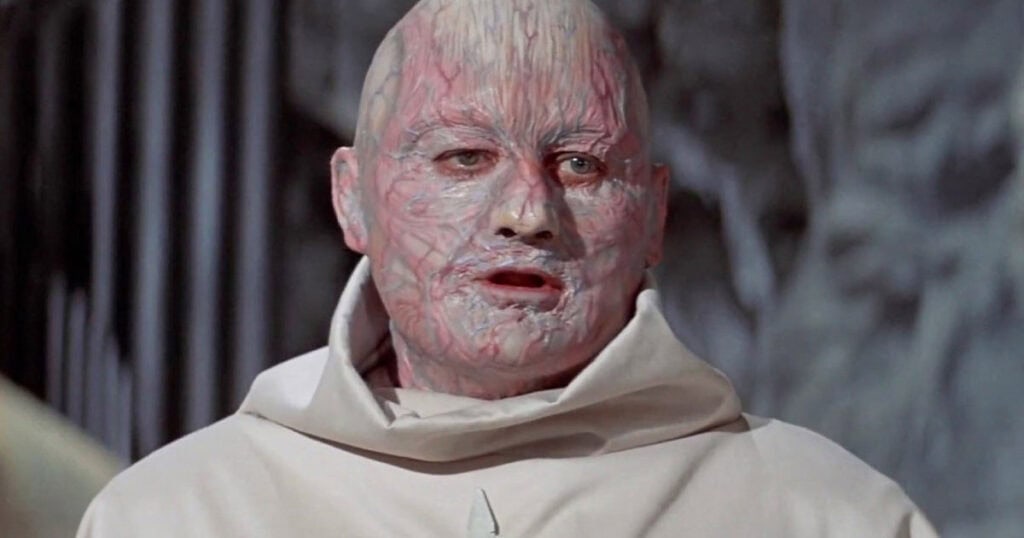
When Planet of the Apes was a smash hit, 20th Century Fox immediately committed to a sequel. But, as was the general thinking about sequels those days, it was not designed as an “A-feature” in the vein of the first film. That movie’s director, Franklin J. Schaffner, never considered returning, with him making the Oscar-winning Patton for the same studio instead. The budget was only a fraction of the first film’s, partly because the studio had suffered a series of costly flops. The result is a reasonably cheap-looking film, with TV actor James Franciscus taking over for Charlton Heston in the lead. However, they did manage to entice Heston back for an extended cameo, which allows the film to end on a provocatively gloomy note, making the movie worth watching. This is the only classic Apes movie that didn’t have Roddy McDowell in it, with him shooting another film while doing this, and his absence is sorely felt.
Final verdict: An ambitious but inconsistent sequel, redeemed by its bold, bleak ending and lingering thematic impact.
7. Kingdom of the Planet of the Apes (2024)
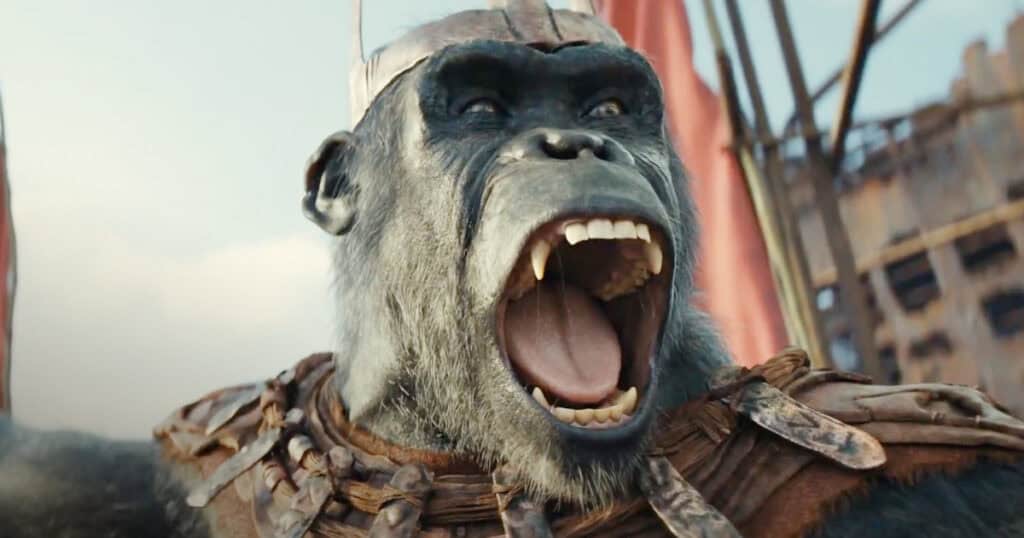
Wes Ball’s entry into the Apes saga is half a great movie. It’s terrific when it focuses on Ape culture and the new characters, such as Owen Teague’s Noa. But, when it starts to emphasize the humans and tee up yet another interspecies war, it becomes more of a mixed bag. We already have a pretty good trilogy on that very topic, so it would be nice to see this potential new series heading in another direction.
Final verdict: A promising but uneven chapter that shines in its ape-focused world-building, yet retreads familiar ground with its human conflict.
6. Escape from the Planet of the Apes (1971)
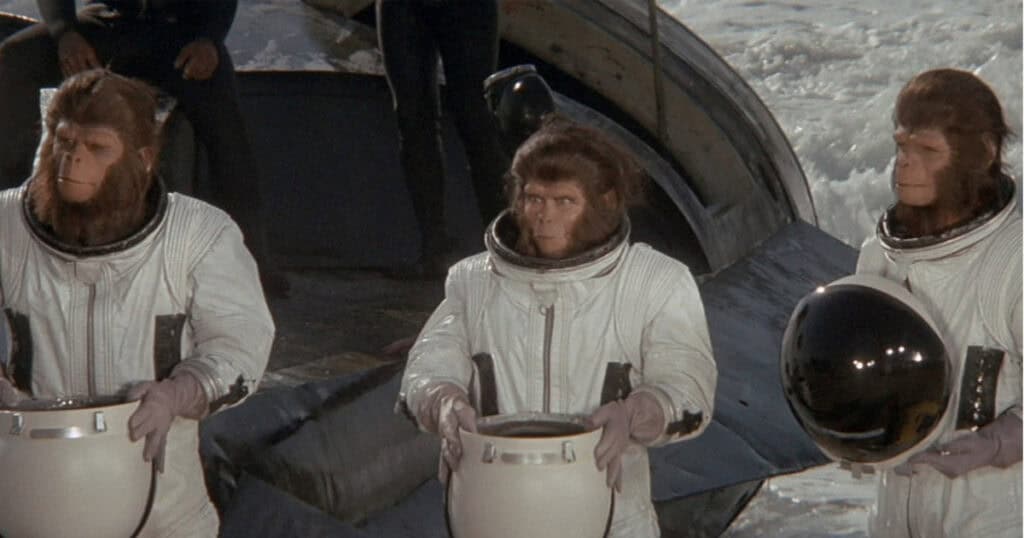
This one starts on a deceptively light note, with us seeing that Apes Zira (Kim Hunter) and Cornelius (Roddy McDowell) escaped the destruction of the planet of the apes (a future version of Earth) and have gone through a time warp that sends them back in time to 1973. Initially, they become celebrities, with the movie adopting a silly, sitcom-style tone, only to take a HARD left turn towards the finale, when it becomes a tragedy that expertly sets the stage for all the movies to come.
Final verdict: A deceptively light entry that transforms into a powerful tragedy, laying crucial groundwork for the saga’s deeper mythology.
5. Rise of the Planet of the Apes (2011)
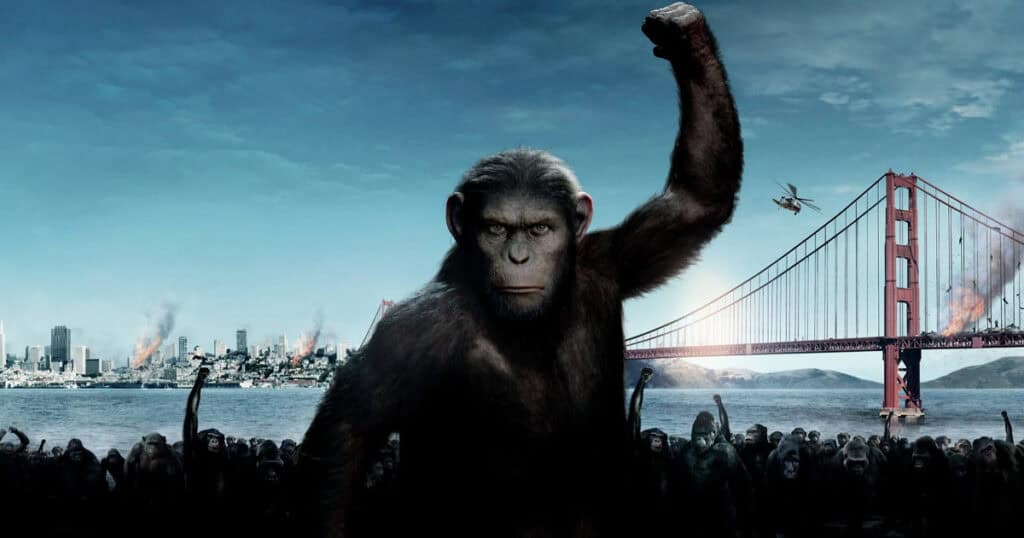
In my review of Kingdom, I mentioned this movie being a mixed bag, and I was surprised at how upset some folks got with me in the comments, as this is almost universally beloved among fans of the series. I remember it getting more of a mixed reaction when it originally came out, and I stand by the idea that it’s a GOOD film, but the sequels are better. James Franco phones in his performance, but it doesn’t matter in the end because the movie wisely focuses on Andy Serkis, delivering the motion capture performance for our new ape hero, Caesar. John Lithgow is excellent in this as Franco’s dementia-affected father, who becomes a surrogate parent to Caesar, leading to a heartbreaking conclusion.
Final verdict: A strong and emotionally grounded reboot, elevated by Andy Serkis’ performance, even if its human elements don’t fully measure up.
4. War for the Planet of the Apes (2017)
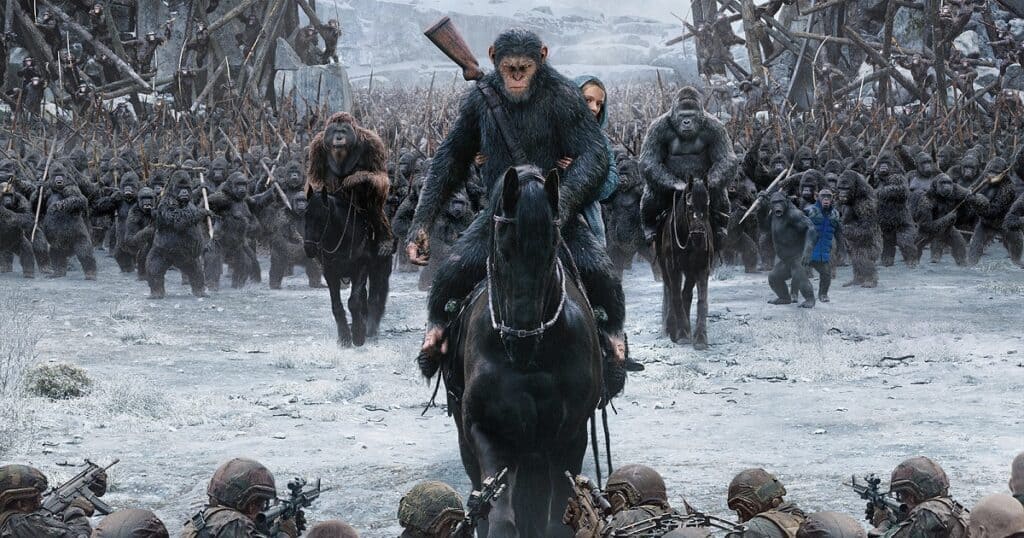
The reboot trilogy ended with this all-out war film depicting how humans lost control of the planet due to their desire to re-establish dominance over the Apes. Some found the film overly self-serious and dark, but it brought the reboot trilogy to an operatic end and gave Serkis a platform to deliver (perhaps) his best mo-cap performance to date. Woody Harrelson also makes one of the most despicable human villains in the series (to date).
Final verdict: A dark, operatic finale that delivers emotional weight and a towering central performance, despite its heavy tone.
3. Dawn of the Planet of the Apes (2014)
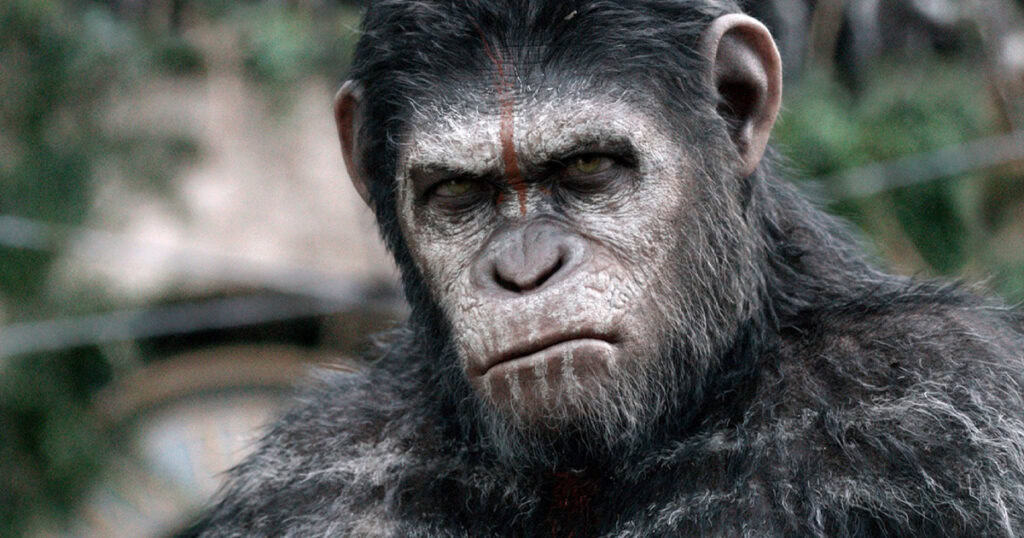
For me, this stands as the best entry in the reboot trilogy. It was Matt Reeves’ first time making a super large-scale blockbuster, and he does a better job than most other films in the series of juggling the screen time between humans and aes, with Gary Oldman playing the most sympathetic antagonist the series ever had.
Final verdict: The most balanced and compelling of the modern trilogy, blending spectacle, character, and moral complexity at the highest level.
2. Conquest of the Planet of the Apes (1972)
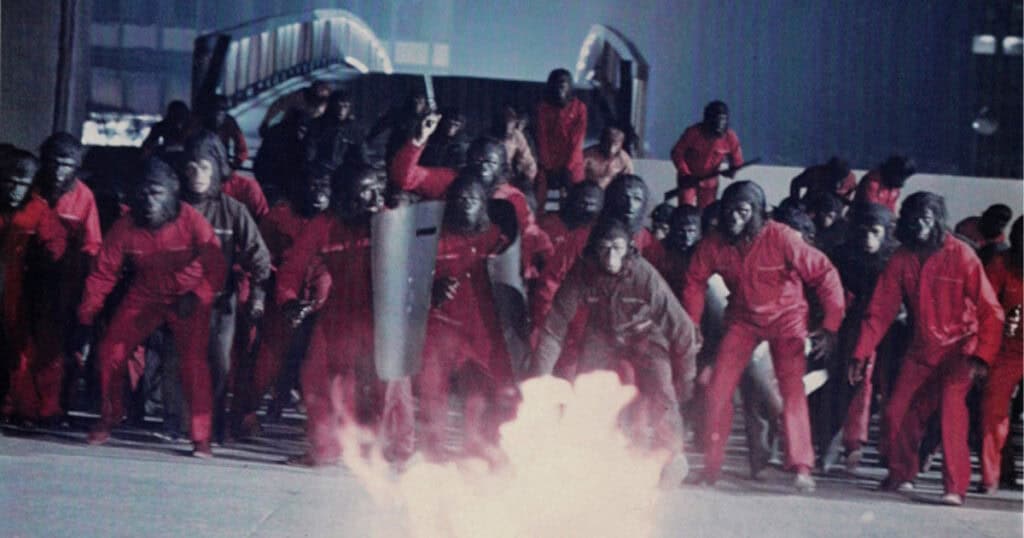
While Beneath and Escape the Planet of the Apes were hits, Fox continued slashing every subsequent installment’s budget. Yet, the silver lining was that the movies were able to tackle riskier material, with director J. Lee Thompson and his writer Paul Dehn making the film a metaphor for fraught race relations in the U.S, with this very much informed by the battle for Civil Rights, the rise of the Black Panthers, and more. The film’s theatrical cut was toned down a bit by Fox, but if you watch it on Blu-ray, you’ll see the legit, uncompromised cut, with it standing as one of the more radical sci-fi films of the era.
Final verdict: A bold, politically charged standout that turns budget limitations into a strength, delivering one of the franchise’s most provocative stories.
1. Planet of the Apes (1968)
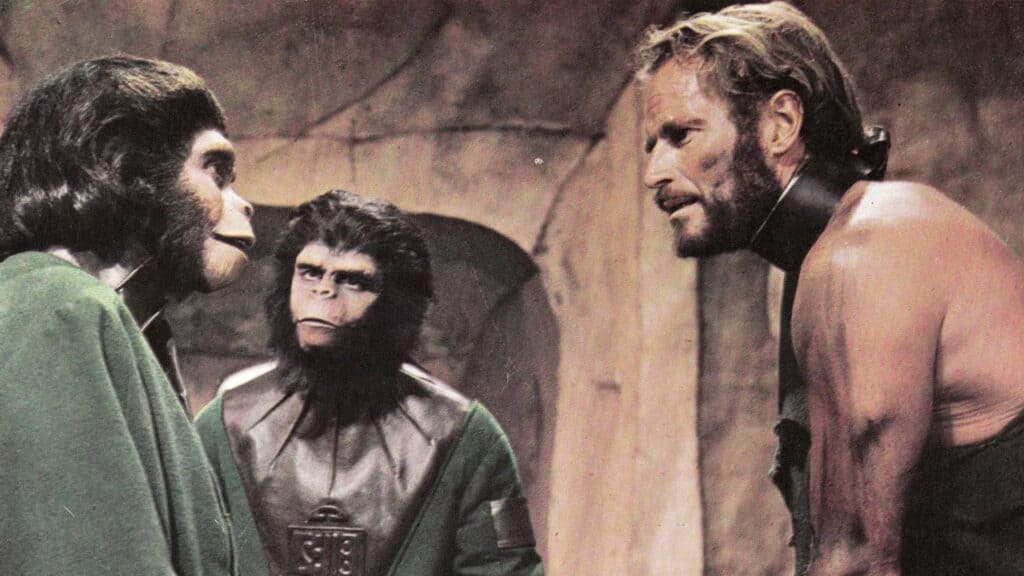
Of course, no movie in the series can match Franklin J. Schaffer’s original entry, one of the best science fiction movies ever made. It’s a very influential film, with stunning makeup effects courtesy of John Chambers, a superb musical score by Jerry Goldsmith, and an iconic performance by the great Charlton Heston in the lead. It also has one of the most unhinged, disturbing endings of all time. As good as every other movie in the franchise is, this one is arguably the only true masterpiece of the series. That said, in my opinion, again, there’s never actually been a bad Planet of the Apes movie.
Final verdict: A genre-defining masterpiece whose storytelling, performances, and iconic ending remain unmatched in the series.
| Rank | Movie | Year | Era | Why It Ranks Here |
|---|---|---|---|---|
| 1 | Planet of the Apes | 1968 | Original | Landmark sci-fi with iconic twist, social commentary, and lasting cultural impact |
| 2 | Conquest of the Planet of the Apes | 1972 | Original | Dark, politically charged uprising story that pushed the franchise into bold territory |
| 3 | Dawn of the Planet of the Apes | 2014 | Reboot | Emotional storytelling + groundbreaking VFX, strongest balance of spectacle and depth |
| 4 | War for the Planet of the Apes | 2017 | Reboot | Intimate, somber conclusion with powerful character focus and moral weight |
| 5 | Rise of the Planet of the Apes | 2011 | Reboot | Smart origin story elevated by Caesar’s arc and performance capture innovation |
| 6 | Escape from the Planet of the Apes | 1971 | Original | Clever tonal shift with satire and strong character dynamics |
| 7 | Kingdom of the Planet of the Apes | 2024 | Legacy | Expands the world post-Caesar, though less emotionally impactful than the trilogy |
| 8 | Beneath the Planet of the Apes | 1970 | Original | Ambitious but uneven sequel with darker themes and divisive ending |
| 9 | Battle for the Planet of the Apes | 1972 | Original | Budget limitations and toned-down storytelling weaken the finale |
| 10 | Planet of the Apes | 2001 | Remake | Visually ambitious but narratively inconsistent and lacking thematic clarity |
Frequently Asked Questions
What is the best Planet of the Apes movie?
The best film in the franchise is widely considered to be Planet of the Apes (1968). It remains a landmark in science fiction thanks to its groundbreaking concept, iconic twist ending, and sharp social commentary.
What is the worst Planet of the Apes movie?
The lowest-ranked entry is Planet of the Apes (2001), directed by Tim Burton. While visually ambitious, it is often criticized for its inconsistent storytelling and lack of thematic depth compared to other entries.
Which Planet of the Apes reboot movie is the best?
Among the modern films, Dawn of the Planet of the Apes (2014) ranks the highest. It strikes the best balance between emotional storytelling, action, and visual effects.
What is the correct order to watch the Planet of the Apes movies?
You can watch the series in release order or chronological order:
Release Order (Recommended):
1968 → 1970 → 1971 → 1972 → 1973 → 2001 → 2011 → 2014 → 2017 → 2024
Chronological Order (Story Timeline):
Rise (2011) → Dawn (2014) → War (2017) → Kingdom (2024) → original films
Is the reboot trilogy better than the original films?
It depends on preference. The reboot trilogy (Rise, Dawn, War) offers modern visual effects and emotional storytelling, while the original films—especially Planet of the Apes (1968)—deliver stronger cultural impact and classic sci-fi themes.
Will there be more Planet of the Apes movies?
Following Kingdom of the Planet of the Apes (2024), the franchise is positioned for future sequels, as it begins a new story arc set generations after Caesar.



















The comment section exists to allow readers to discuss the article constructively and respectfully, focused on the topic at hand.
What’s Not Allowed