
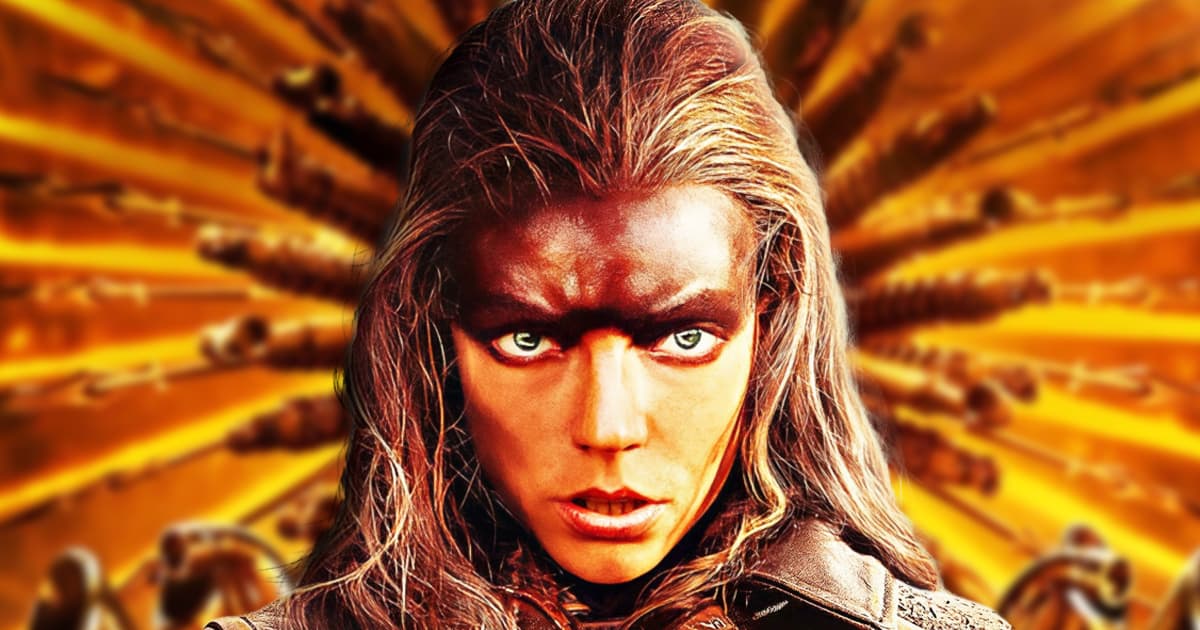
No one ever said making a prequel to Mad Max: Fury Road, arguably one of the greatest action films ever made, would be easy. Still, Anya Taylor-Joy, a force of nature in Hollywood and a woman who isn’t afraid to advocate for change in her respective film projects, went above and beyond to ensure her character, Furiosa, would be remembered as one of the single most badass heroines on the silver screen.
While making the Fury Road prequel, Furiosa, with George Miller, Taylor-Joy struggled with Miller’s vision of the character, particularly her rigidity and quiet calm. Taylor-Joy doesn’t exactly do “quiet calm.” As I said, she’s a force of nature and known throughout the industry as an actress who explodes on screen. After discovering that Miller still wanted the character to remain quiet and near-immobile, Taylor-Joy set to work to change his mind and advocate for an ending that would leave a lasting impression on audiences.
How Taylor-Joy fought for Furiosa‘s ending
According to The Hollywood Reporter, Taylor-Joy reported to Miller every day for six months, making her case to change the end of Furiosa‘s story. When Furiosa finally confronts the man who destroyed her life — Chris Hemsworth’s Dementus — Taylor-Joy wanted to leave him broken and hopeless. She wanted him to suffer and be forever aware of the horror and pain he inflicted on her and others like her. In the final version of the film, Furiosa cripples Demetreus, brings him back to the Citadel, and plants the peach pit she carried since childhood inside his broken body. As the seed sprouts, a tree grows inside Demetreus, peaches growing from its mighty branches. At the end of the movie, Furiosa picks a peach from the tree and offers it to the wives, the man who destroyed her childhood, little more than a vessel of new life. The end finds Furiosa reclaiming her power, turning the tables on Demetreus, and becoming a figure of hope for the citizens of the Wasteland.
“It’s a very difficult conversation to have,” Taylor-Joy told THR. “If I were to be completely honest about my experience, it would hurt nobody but myself.” Thankfully, Taylor-Joy got her way in the end, making for a hell of an ending to one of Furiosa’s early life chapters. “I just advocated and advocated and advocated for her to live up to her name,” Taylor-Joy says. She spent the entire shoot lobbying for it. “That was my mountain on that movie, and I got it, but it was hard, hard won.”
Taylor-Joy on the mad rush to join the Dune franchise
Meanwhile, Taylor-Joy wanted nothing more than to join the cast of Denis Villeneuve’s Dune franchise. Unfortunately, her filming schedule for Furiosa made it almost impossible for her to participate. “I was devastated,” she recalls. “I really wanted in on the world this man had built.”
Determined to join the Dune franchise, Taylor-Joy called her agents every day to see if there was any wiggle room for her to join the production. After Furiosa wrapped production, she got a call from Villeneuve, who asked if she’d take six flights to meet him in Abu Dhabi, continue to Namibia, shoot one scene in one day, then tell absolutely no one about it. She agreed before Villeneuve could finish his offer.
“It’s probably my favorite filmmaking experience, ever,” she told THR. In Dune: Part Two, Taylor-Joy plays Alia Atreides (sister of Timothée Chalamet’s Paul), a character who carries the voices of every Reverend Mother who came before her. Not even the project’s existing cast members knew about Taylor-Joy’s inclusion. At the time, it was one of the best-kept secrets in Hollywood. Yes, there were rumors, but no one confirmed her role until the sequel’s world premiere at the Leicester Square Odeon in London, England.
What do you think about Furiosa? Is it a worthy prequel to Mad Max: Fury Road? Are you excited for Dune: Part Three? Let us know in the comments section below.









The comment section exists to allow readers to discuss the article constructively and respectfully, focused on the topic at hand.
What’s Not Allowed