
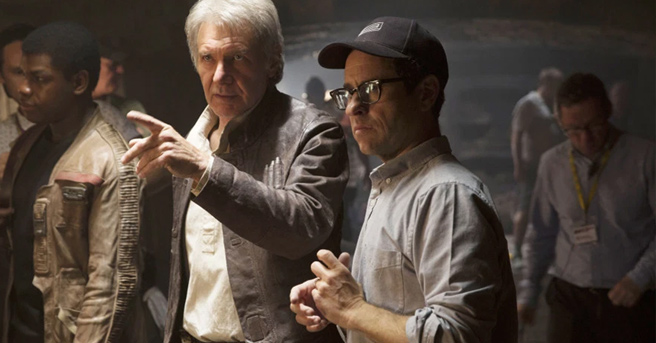
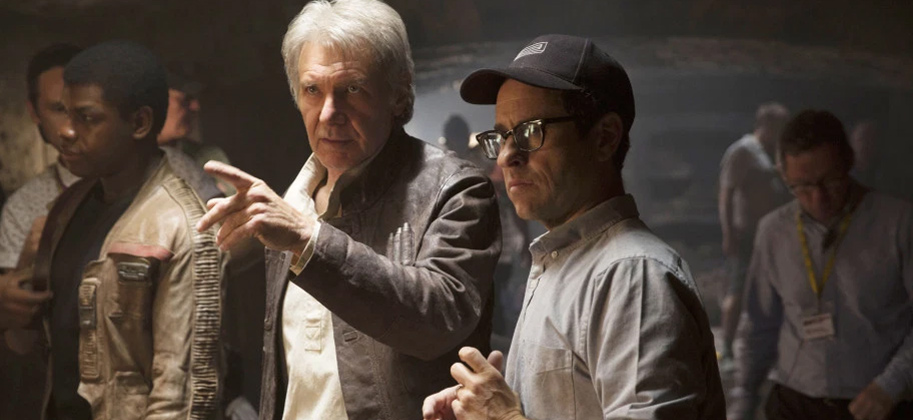
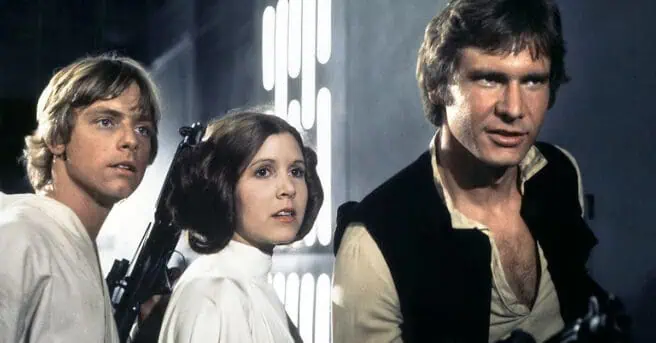
When you're dealing with a multi-billion dollar franchise such as Star Wars, you would think that it would make sense to have a plan in place, or at least know where you're going. Although J.J. Abrams was successful at introducing new characters and bringing old favourites back for Star Wars: The Force Awakens, he handed the creative reins over to Rian Johnson for the next film, with Johnson expected to build on the threads that Abrams had introduced. Star Wars: The Last Jedi did build on some of Abrams' groundwork, but not always in the way fans were expecting, and when Abrams returned for Star Wars: The Rise of Skywalker, there was a sense that he was repivoting a story that had taken a turn he hadn't intended. The end result was that the Sequel Trilogy didn't feel like one cohesive story, and while there was a lot that worked, you can't help but wonder how different things would have been had there been an overall plan in place.
While speaking with Collider, J.J. Abrams was asked for his thoughts on the Star Wars Sequel Trilogy and whether or not he believes it would have benefited from having a plan in place from the beginning.
I’ve been involved in a number of projects that have been – in most cases, series – that have ideas that begin the thing where you feel like you know where it’s gonna go, and sometimes it’s an actor who comes in, other times it’s a relationship that as-written doesn’t quite work, and things that you think are gonna just be so well-received just crash and burn and other things that you think like, ‘Oh that’s a small moment’ or ‘That’s a one-episode character’ suddenly become a hugely important part of the story. I feel like what I’ve learned as a lesson a few times now, and it’s something that especially in this pandemic year working with writers [has become clear], the lesson is that you have to plan things as best you can, and you always need to be able to respond to the unexpected. And the unexpected can come in all sorts of forms, and I do think that there’s nothing more important than knowing where you’re going.
As J.J. Abrams mentioned, it's hard to guess how particular elements will be received by audiences, so it's important to be able to be flexible with any plan you do have, but he also said that he's "learned the hard way" that it's better to have a plan than not have one at all. "You just never really know, but having a plan I have learned – in some cases the hard way – is the most critical thing, because otherwise you don’t know what you’re setting up," Abrams explained. "You don’t know what to emphasize. Because if you don’t know the inevitable of the story, you’re just as good as your last sequence or effect or joke or whatever, but you want to be leading to something inevitable."














The comment section exists to allow readers to discuss the article constructively and respectfully, focused on the topic at hand.
What’s Not Allowed