
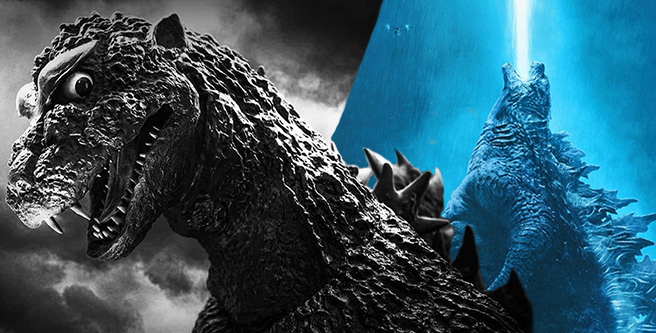
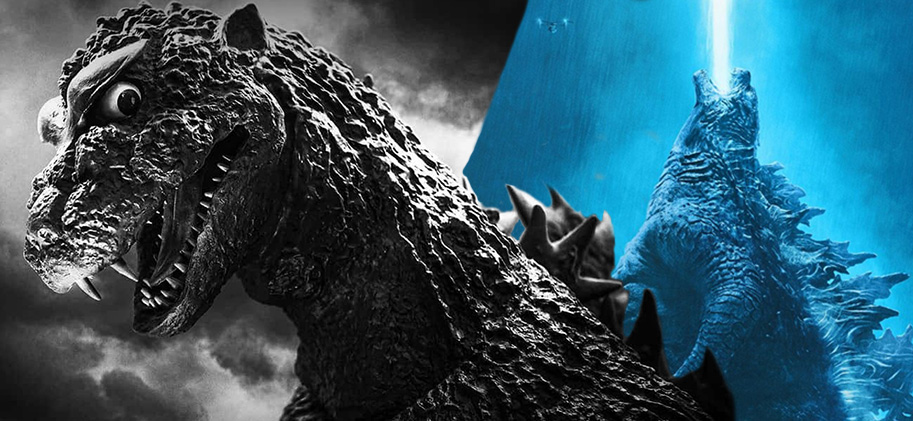
For more than 70 years, Godzilla has evolved from a terrifying nuclear allegory into one of cinema’s most beloved pop-culture icons. The original Showa era established the foundation of the franchise, introducing classic monsters such as Mothra, Rodan, King Ghidorah, and Mechagodzilla. While this ranking primarily focuses on the original Showa Era films released between 1954 and 1975, we’ve also included the major American live-action Godzilla adaptations. From Roland Emmerich’s controversial 1998 reimagining to Legendary’s MonsterVerse films, these movies represent Hollywood’s evolving interpretation of the King of the Monsters. Including them provides a broader look at how Godzilla has changed across cultures and generations, while allowing readers to see how the American productions stack up against the franchise’s earliest classics.
How We Ranked These Godzilla Movies
Ranking Godzilla films isn’t an exact science, especially for a franchise that has continually reinvented itself over the past seven decades. For this list, we considered several factors:
- Storytelling and characters
- Kaiju action and special effects
- Cultural impact and historical significance
- Influence on the Godzilla franchise
- Entertainment value and rewatchability
Historical importance alone wasn’t enough to guarantee a high ranking, nor was spectacle enough to compensate for weak storytelling. The final placements reflect a balance of artistic achievement, franchise legacy, and how enjoyable each film remains today.
| Rank | Film | Year | Era |
|---|---|---|---|
| 19 | Godzilla | 1998 | American |
| 18 | Godzilla vs. Megalon | 1973 | Showa |
| 17 | All Monsters Attack | 1969 | Showa |
| 16 | Son of Godzilla | 1967 | Showa |
| 15 | Invasion of Astro-Monster | 1965 | Showa |
| 14 | Terror of Mechagodzilla | 1975 | Showa |
| 13 | Godzilla vs. Mechagodzilla | 1974 | Showa |
| 12 | Godzilla vs. Gigan | 1972 | Showa |
| 11 | Godzilla Raids Again | 1955 | Showa |
| 10 | Godzilla vs. Hedorah | 1971 | Showa |
| 9 | Ebirah, Horror of the Deep | 1966 | Showa |
| 8 | Godzilla: King of the Monsters | 2019 | MonsterVerse |
| 7 | Godzilla | 2014 | MonsterVerse |
| 6 | Godzilla vs. Kong | 2021 | MonsterVerse |
| 5 | Ghidorah, the Three-Headed Monster | 1964 | Showa |
| 4 | Destroy All Monsters | 1968 | Showa |
| 3 | Mothra vs. Godzilla | 1964 | Showa |
| 2 | King Kong vs. Godzilla | 1962 | Showa |
| 1 | Godzilla | 1954 | Showa |

19. Godzilla (1998)
- Release Year: 1998
- Director: Roland Emmerich
- Box Office: ~$379 million worldwide
- Critical Scores: Rotten Tomatoes ~20%; CinemaScore: B-
- Continuity Label: TriStar American Godzilla continuity
- Major Kaiju Appearances: Godzilla (Zilla)
- Cultural Legacy Summary: Frequently regarded as the franchise’s most controversial adaptation; criticized for abandoning traditional Godzilla characterization while becoming a cult curiosity of late-‘90s blockbuster excess.
As I’ll explore with the rest of the entries on the list, most Godzilla movies range from genuinely fantastic to at-least-okay-for-simple-fun (maybe with the help of some substances). Not Roland Emmerich’s 1998 Godzilla, which easily bottom-outs this ranked list of Godzilla movies. No amount of reflection could make this movie seem better in context, nor all the drugs in the world make it seem entertaining. More interesting for Matthew Broderick’s worm obsession than anything Godzilla does, this fiasco with a criminal runtime of 139 minutes has none of the smarts, fun, or welcome weirdness that made the original movies classics – nor any originality to make it its own beast.
18. Godzilla vs. Megalon (1973)
- Release Year: 1973
- Director: Jun Fukuda
- Box Office: Moderate Japanese theatrical success
- Critical Scores: Historically mixed-to-negative; cult appreciation grew over time
- Continuity Label: Showa Era
- Major Kaiju Appearances: Godzilla, Megalon, Jet Jaguar, Gigan
- Cultural Legacy Summary: One of the campiest Showa entries; beloved for “so-bad-it’s-good” energy and Jet Jaguar’s cult popularity.
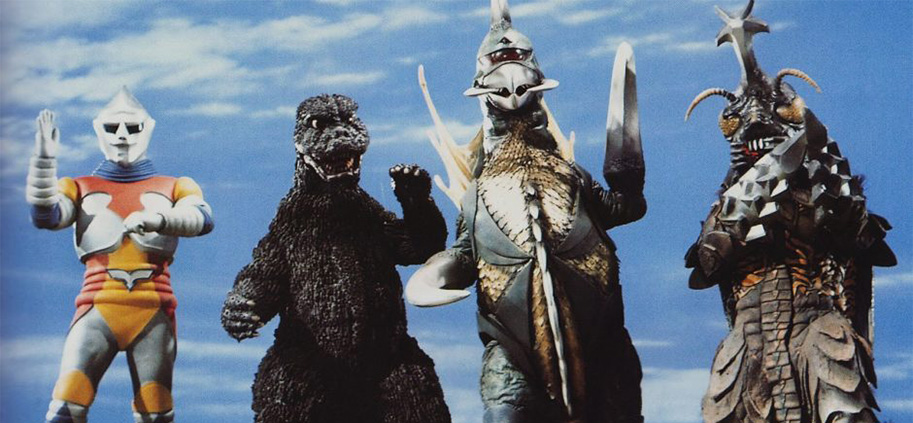
The zenith of the “these movies are for children and children only” vibe, Godzilla vs. Megalon feels like it was written by a children’s book writer in their twilight years who has given up and just wants their check. An underwater civilization called Seatopia hijacking an amateur inventor’s fully functioning flying robot to aid them in taking over the world? For as awesomely odd as that sounds, everything about this one feels listless and routine, as if made with the mindset of “whatever, they’ll still pay to see it.” It tries to cram new junk in there, like a robot superhero in the (albeit dope) Jet Jaguar, and some Italian Job driving for adults — and yet — none of it is enough to stop it from being the low mark of the series at that point, with Godzilla himself feeling like a tack-on in the final 30 minutes, easily putting it towards the bottom of our ranked Godzilla movies.
17. All Monsters Attack (1969)
- Release Year: 1969
- Director: Ishirō Honda
- Box Office: Lower-tier Showa performance
- Critical Scores: Generally poor critical reputation
- Continuity Label: Showa Era
- Major Kaiju Appearances: Godzilla, Minilla, Gabara
- Cultural Legacy Summary: Often cited as the weakest classic-era Godzilla film, though later reassessed for its child-focused anti-bullying themes.
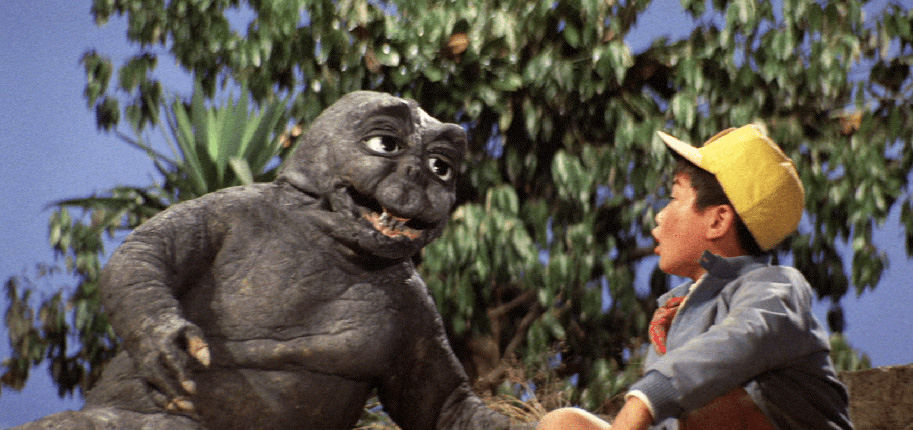
Much like Megalon, All Monsters Attack also feels made with the “hey it’s for kids, who gives a damn!” mindset, but at least director Ishiro Honda tried to play into that angle by giving it themes kids could actually benefit from. A boy travels to MonsterIsland in his dreams and hangs out with a talking Minilla, Godzilla’s son, and together they find their own strength to stand up to bullies. That’s a cute message, but also the movie’s only saving grace. Between the infamous amount of reused footage from past movies to make up the action scenes and a 69-minute runtime, and it seems no one involved cared about making this an actual movie, and instead opted for an after-school special that can’t help but be placed towards the bottom of our Godzilla movies ranked.
16. Son of Godzilla (1967)
- Release Year: 1967
- Director: Jun Fukuda
- Box Office: Successful family-oriented release in Japan
- Critical Scores: Mixed reviews; stronger reception among younger audiences
- Continuity Label: Showa Era
- Major Kaiju Appearances: Godzilla, Minilla, Kumonga, Kamacuras
- Cultural Legacy Summary: Introduced Minilla and pushed the series further into family entertainment territory.
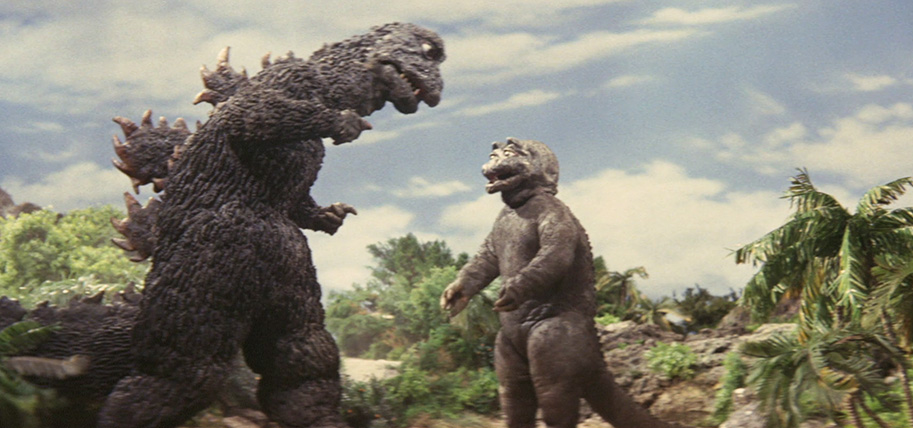
Two Minilla-centric movies in a row, and for good reason. The spawn of Godzilla is only so cute before becoming terrifying, which always goes hand-in-hand with whatever cuteness comes from this father-son tale that is Son of Godzilla. The series in full slapstick mode, with some playfulness coming from Big Poppa teaching the little guy how to blast his atomic breath – which comes in handy against some gnarly creatures, namely the big spider Kumonga, which was operated with some impressive wirework. A moronic human-level story about weather-changing tech – and an equally stupefying ending (even the little guy is frozen?) – stop SoG from skating by as harmless fun aimed at kids, so anyone’s appreciation of this one entirely depends on how much baby Godzilla hijinks they can stomach.
15. Invasion of Astro-Monster (1965)
- Release Year: 1965
- Director: Ishirō Honda
- Box Office: Strong performer during peak kaiju popularity
- Critical Scores: Mixed initially; later appreciated for sci-fi camp charm
- Continuity Label: Showa Era
- Major Kaiju Appearances: Godzilla, Rodan, King Ghidorah
- Cultural Legacy Summary: Famous for embracing full sci-fi absurdity and the iconic “Godzilla victory dance.”
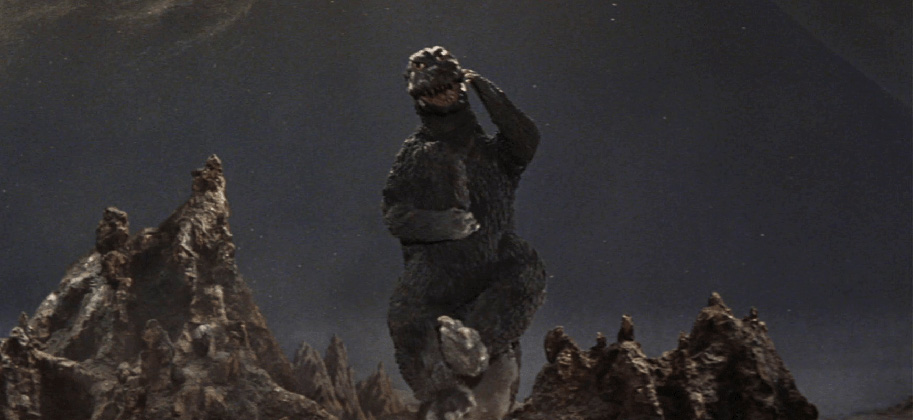
With Invasion of Astro-Monster, Godzilla leaped into the campy territory from which there was no return – literally. Godzilla, after repelling Ghidorah on Jupiter, does a leaping dance like a giant, scaly ballerina. That level of goofiness mixed with the schlocky, retro sci-fi effects and storyline can make for a fun night with like-minded friends, but take that away and you have an often dull alien-invasion story that lacks a proper amount of kaiju action, and perhaps is only as good as the viewers’ tolerance for cheap sci-fi filmmaking.
14. Terror of Mechagodzilla (1975)
- Release Year: 1975
- Director: Ishirō Honda
- Box Office: Underperformed compared to earlier Showa films
- Critical Scores: Moderately positive retrospective reception
- Continuity Label: Final Showa Era film
- Major Kaiju Appearances: Godzilla, Mechagodzilla, Titanosaurus
- Cultural Legacy Summary: Marked the end of the original Showa run and attempted a return to darker, more dramatic storytelling.
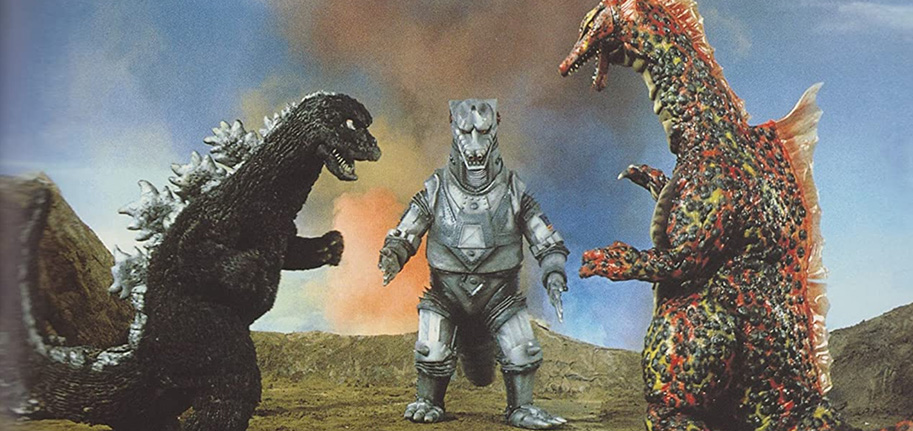
After coming out of retirement, Ishiro Honda gave us Terror of Mechagodzilla (the final Showa era film), his attempt to get back to the grounded, more doom-laden tone of his first movie, as he had grown tired of what he felt were sequels aimed only at children. The story is indeed more focused than previous installments, taking on a more dramatic, tragic approach to what the characters are going through. And yet, Honda still had to contend with latent silliness that was pretty much inescapable, meaning his approach can be undermined by unintentionally funny moments. The action is also a bit of a downgrade from the previous entry (see the next slot), even though it continues a solid trend of Godzilla getting his ass kicked before rallying and going gonzo on monster asses. There’s a lot working both for and against Honda’s vision, but it’s a decent entry with a perfect final shot of Godzilla wading into a sunset-covered sea, leaving the Showa era behind him. Not the best, not the worst.
13. Godzilla vs. Mechagodzilla (1974)
- Release Year: 1974
- Director: Jun Fukuda
- Box Office: Strong commercial success in Japan
- Critical Scores: Popular with fans despite mixed critical reaction
- Continuity Label: Showa Era
- Major Kaiju Appearances: Godzilla, Mechagodzilla, King Caesar
- Cultural Legacy Summary: Introduced Mechagodzilla, who became one of the franchise’s most enduring villains.
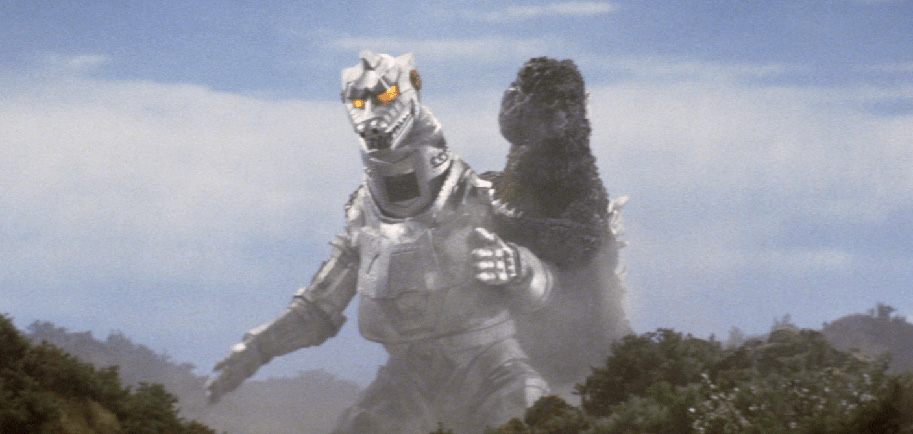
While it may introduce one of Godzilla’s more iconic foes, it’s a shame that Godzilla vs. Mechagodzilla itself isn’t a better movie. Sure it’s a step up from Jun Fukuda’s Godzilla vs. Megalon, but that’s because its “humans vs. ape-like aliens” story is mildly better than that one’s “humans vs. sea-people” angle. No, if Mechagodzilla is worth remembering, it’s for its absolutely banging final act, which pits Godzilla (alongside an ape-lion guardian named King Caeser) against his robotic alter-ego. With perhaps the most explosions and pyrotechnics of any entry yet, the clash finds Mecha unloading rainbow laser beams and finger missiles at the big lizard, giving him a run for his money and making him have a full-on blood geyser spew from his neck. Makes it all worth suffering through one of the dumber, more poorly written stories just to get to.
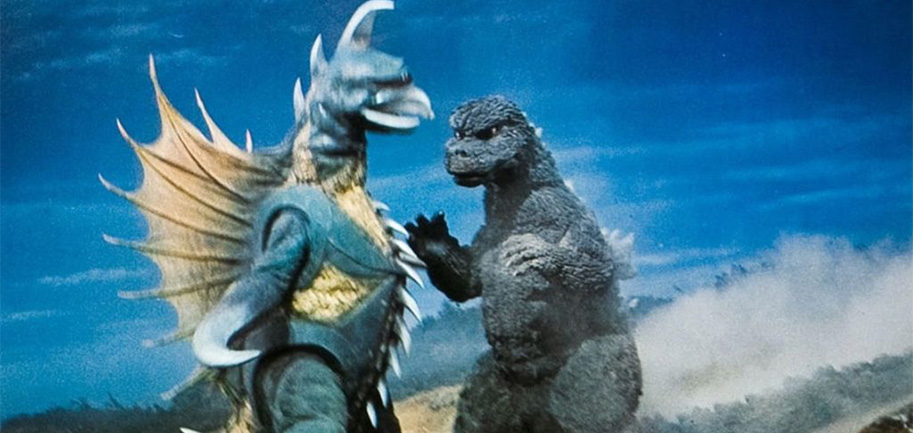
12. Godzilla vs. Gigan (1972)
- Release Year: 1972
- Director: Jun Fukuda
- Box Office: Solid genre success
- Critical Scores: Mixed but fondly remembered by fans
- Continuity Label: Showa Era
- Major Kaiju Appearances: Godzilla, Anguirus, Gigan, King Ghidorah
- Cultural Legacy Summary: Debuted Gigan and leaned heavily into comic-book-style sci-fi insanity.
There’s not much that Godzilla vs. Gigan does differently than previous entries: Aliens are once again back to conquer the world (a story approach director Fukuda would bring to the next few movies) and once again Godzilla is needed to fight them off. But despite all that feels similar, Gigan manages to walk away as one of the better movies simply because it’s so purely enjoyable. The monster Gigan is designed like an interstellar robot chicken with a buzzsaw in his tummy; King Ghidorah is always a plus; the alien invaders are roaches disguising themselves as dead humans — which is dope and; the action as some weight to it, with Godzilla and Angurius getting their asses handed to them before a big win. Even when it’s failing, it’s either kind of adorable or at least entertaining, earning it solid placement as one of Godzilla’s more reliable adventures.

11. Godzilla Raids Again (1955)
- Release Year: 1955
- Director: Motoyoshi Oda
- Box Office: Major domestic success following the original film
- Critical Scores: Positive retrospective reassessment
- Continuity Label: Early Showa Era
- Major Kaiju Appearances: Godzilla, Anguirus
- Cultural Legacy Summary: Introduced the concept of kaiju-versus-kaiju combat that would define the franchise.
Godzilla Raids Again reminds me a lot of Rocky II in that it’s not quite as good as the first movie, but is still a good movie on its own, and it comes out the other side as a solid, if almost forgettable, entry in the series. Many of the smarts from the original are there with an increase in action, teasing the first of many kaiju clashes that would define the series. However, nothing about it stands out among the rest of the series. Not as interesting as others, but still smarter than most; not as exciting as others, but sporting some relatively good fights. Solid kaiju moviemaking from top to bottom, which in the case of this series, isn’t too shabby at all.
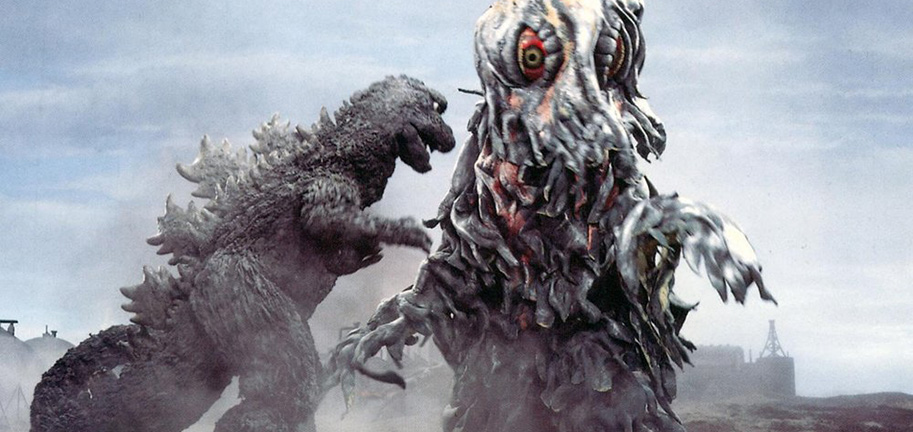
10. Godzilla vs. Hedorah (1971)
- Release Year: 1971
- Director: Yoshimitsu Banno
- Box Office: Moderate theatrical performance
- Critical Scores: Polarizing upon release; later acclaimed as experimental cult cinema
- Continuity Label: Showa Era
- Major Kaiju Appearances: Godzilla, Hedorah
- Cultural Legacy Summary: Celebrated for surreal visuals and strong anti-pollution themes reflecting 1970s anxieties.
Of all Godzilla’s early adventures, Godzilla vs. Hedorah is the one to likely split fans down the middle. It’s the outlier of the bunch, with director Yoshimitsu Banno looking at much of what came before and saying, “Nah, not gonna do that.” After the last few entries dialed up the ham, Hedorah gets back to more grounded roots with a villain that reflects anti-pollution themes, and the movie itself feels like a reflection of the changing cultural shifts Japan was going through at the time, making it feel bizarre in ways all its own. Like Godzilla mixed with The Blob and a bit of Creature from the Black Lagoon, there’s even a horror movie vibe to it all as Godzilla fights what is, essentially, a trash monster. Yeah, there are still some issues with the storytelling, and it can’t completely escape the campiness of past movies, but still, Hedorah a fascinating, unique entry in the series that rearns this upper-tier placement of our ranked Godzilla movies.

9. Ebirah, Horror of the Deep (1966)
- Release Year: 1966
- Director: Jun Fukuda
- Box Office: Successful mid-tier Showa release
- Critical Scores: Generally positive fan reputation
- Continuity Label: Showa Era
- Major Kaiju Appearances: Godzilla, Ebirah, Mothra
- Cultural Legacy Summary: Blended spy-adventure influences with colorful island action and broadened Godzilla’s antihero characterization.
After a really rocky start that sets up the ensemble of incredibly thin characters, Ebirah, Horror of the Deep soon establishes itself as one of the most purely enjoyable entries in the series. Taking a cue from colorful spy movies of the era, we’re whisked away to an island featuring a syndicate of villains who are exploiting the native population, and as the crew tries to save the day, Godzilla goes toe-to-toe with a giant monster crab in some of the goofiest, most intricate fights of the series thus far. Plus, it brings back beautiful, winged Mothra to help save the day as a harbinger of peace, while Godzilla gets some added dimension as a being who simply wants to be left alone. Throw in some jammin’ surfer tunes when the monsters throw down, Ebirah is Godzilla at some of his colorful best.

8. Godzilla: King of the Monsters (2019)
- Release Year: 2019
- Director: Michael Dougherty
- Box Office: ~$387 million worldwide
- Critical Scores: Rotten Tomatoes ~42%; audience scores significantly higher
- Continuity Label: MonsterVerse
- Major Kaiju Appearances: Godzilla, Mothra, Rodan, King Ghidorah
- Cultural Legacy Summary: Embraced full-scale kaiju spectacle and restored classic Toho monsters to mainstream blockbuster prominence.
For the second entry in this rebooted series, Warner Bros. and Legendary decided to go all out and give folks who felt their thirst for kaiju spectacle went unquenched from the 2014 Godzilla exactly what they want: chaos and lots of it. Godzilla: King of the Monsters brings in classic Toho characters – Mothra, King Ghidorah and Rodan – and director Michael Dougherty lets us awe in the catastrophe they wrought (well, not wonderful Mothra. She’s an angel). But more doesn’t equal better, and while the spectacle is truly tremendous and a feast for the eyes, that means well-written characters and a story for them are thrown in the bin. By the end, you could be as easily blown away by the destruction as you could be bored of it, but either way, King of the Monsters provides a level of spectacle befitting of these massive titans.

7. Godzilla (2014)
- Release Year: 2014
- Director: Gareth Edwards
- Box Office: ~$529 million worldwide
- Critical Scores: Rotten Tomatoes ~76%; CinemaScore: B+
- Continuity Label: MonsterVerse
- Major Kaiju Appearances: Godzilla, MUTOs
- Cultural Legacy Summary: Successfully relaunched Godzilla for modern Hollywood audiences with a grounded disaster-film approach.
Modern audiences love dunking on Gareth Edwards’ reboot of Godzilla, calling out the slow pace, lack of kaiju fighting (until the climax), and the killing off of Bryan Cranston’s character far too early. But over the years, I’ve grown a deeper appreciation for what Edwards was trying to do in crafting a story about how utterly at the mercy of nature we humans are. The mad-dash to figure out what’s going on and the uncertainty of it all may come off as a thread-bare story filled with equally thin characters, but it’s all about showing humans having to come to terms with accepting – via a monster showdown – that the Earth is not our playground; it’s theirs. Edwards takes the time to let the gravity of it sink in with some stupendous visuals and cinematography, and blending in an excellent Alexandre Desplat score, and some fine performances all-around (even if none can top Cranston), Godzilla demands another look if you haven’t given it one since 2014.
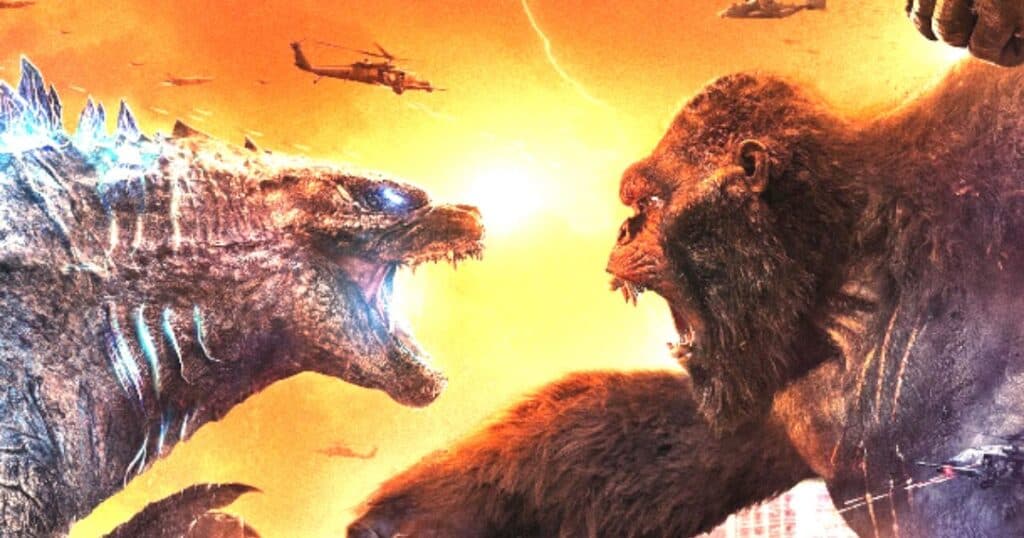
6. Godzilla vs. Kong (2021)
- Release Year: 2021
- Director: Adam Wingard
- Box Office: ~$470 million worldwide during the pandemic era
- Critical Scores: Rotten Tomatoes ~76%; strong audience scores
- Continuity Label: MonsterVerse
- Major Kaiju Appearances: Godzilla, Kong, Mechagodzilla
- Cultural Legacy Summary: Delivered the long-awaited rematch between two iconic monsters and became one of the pandemic era’s major theatrical success stories.
The rematch that was nearly fifty years in the making! Legendary’s version of Godzilla and the version of Kong that they introduced in Kong: Skull Island clash in this neon-soaked monster mash, battling a couple times – almost to the death – and then teaming up to take down another popular Godzilla enemy, Mechagodzilla! The story is… eh, whatever, but there’s a lot of fun in getting to see Godzilla and Kong share the screen again after so many decades, and having Mechagodzilla in the mix just makes it even better. Plus this movie offers viewers the chance to see Kong wield a battle axe made out of one of Godzilla’s dorsal plates. That alone was enough to make sure Godzilla vs. Kong wouldn’t be ranking too far down this list – and it’s awesome that we got a rematch with Godzilla x Kong: The New Empire.
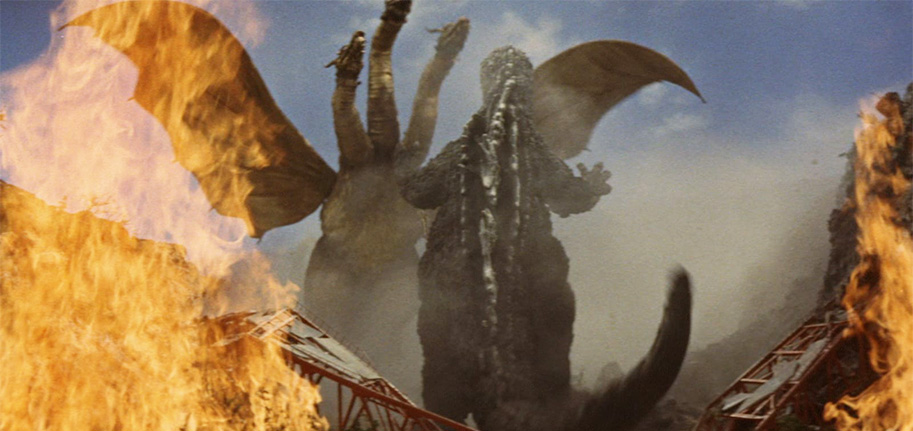
5. Ghidorah, the Three-Headed Monster (1964)
- Release Year: 1964
- Director: Ishirō Honda
- Box Office: Major Japanese hit
- Critical Scores: Highly regarded within the franchise
- Continuity Label: Showa Era
- Major Kaiju Appearances: Godzilla, Rodan, Mothra, King Ghidorah
- Cultural Legacy Summary: Introduced King Ghidorah and transformed Godzilla into a heroic defender figure.
A key entry in the Showa series, Ghidorah, the Three-Headed Monster is the film where it all turned around for the big guy, turning him from a villain of immense destruction into a hero of…mass destruction. With a prophesy story building up the arrival of King Ghidorah, director Ishiro Honda does an excellent job establishing the stakes, so that when the three-headed space monster arrives, you’re fully invested in watching Godzilla become the hero and whoop some golden ass. The shift forever changed the perception of Godzilla, but Honda ensured it didn’t feel cheap or random, wrapping it in a story of unity against an incoming threat, and once again proved Mothra will always be the voice of peace and reason.
4. Destroy All Monsters (1968)
- Release Year: 1968
- Director: Ishirō Honda
- Box Office: Strong ensemble-event success
- Critical Scores: Fan-favorite classic
- Continuity Label: Showa Era
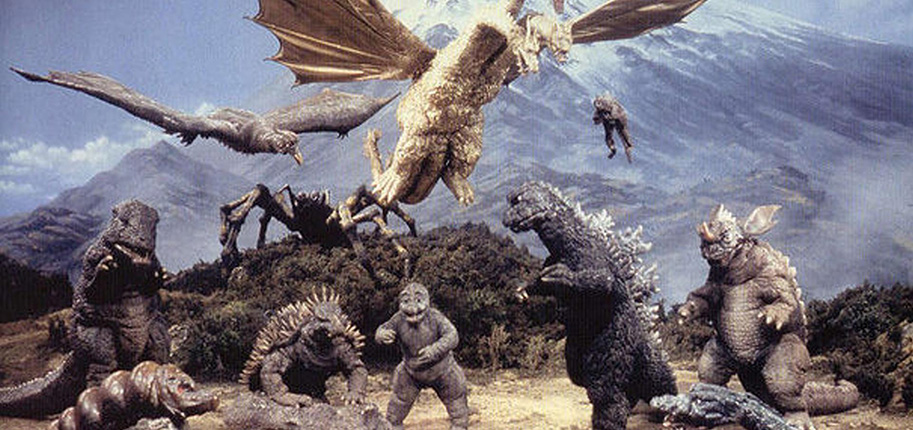
- Major Kaiju Appearances: Godzilla, Rodan, Mothra, Anguirus, King Ghidorah, Minilla, Gorosaurus, Kumonga and others
- Cultural Legacy Summary: One of the definitive “all-star” kaiju crossover films and a template for future monster ensemble movies.
Fit with a paper-thin story about invading aliens using mind control to take hold of a bunch of monsters (now all living on MonsterIsland – like Jurassic Park if we actually just left the dinosaurs alone) and unleash them on Earth until humans submit, Destroy All Monsters is among the best old-school kaiju action you’re likely to see. The plot moves quickly to get to the awesome set pieces, which make unique usage of each monster, giving the movie a sense of scope these movies don’t always have. It also doubles down on the teamwork angle of Three-Headed Monster and finds Ghidorah getting the absolute ass beaten out of him by Godzilla, Rodan and the rest. Pure, colorful, simple (but not totally dumb), Destroy All Monsters is some of the best Showa ever offered.

3. Mothra vs. Godzilla (1964)
- Release Year: 1964
- Director: Ishirō Honda
- Box Office: Major commercial success in Japan
- Critical Scores: Widely acclaimed among Godzilla fans and critics
- Continuity Label: Showa Era
- Major Kaiju Appearances: Godzilla, Mothra
- Cultural Legacy Summary: Elevated Mothra into one of Toho’s central icons while deepening the series’ environmental and anti-consumerist themes.
After getting her own non-Godzilla movie from Toho, the Queen of the Monsters, Mothra, got the chance to give the still-villainous lizard a run for his money. A condemnation of consumerism and the exploitation of nature, Mothra vs. Godzilla, finds director Ishiro Honda still using these movies to explore the state of then-modern Japan, with the effects of the nuclear bombings having an impact on Infant Island, Mothra’s home turf. What sets MvG part is how much reverence and mythos Honda gives these big beasts, building up Mothra as a beautiful, divine presence, which clashes with the stomping, crushing Godzilla. Their battle is superb, with Honda doing great work establishing a pure good vs. evil story. Even though the baby Mothras that eventually take Godzilla down are horrifying to look at, Mothra vs. Godzilla earns its place as one of the very best in the whole series.
2. King Kong vs. Godzilla (1962)
- Release Year: 1962
- Director: Ishirō Honda
- Box Office: One of the highest-grossing Godzilla films in Japan at the time
- Critical Scores: Generally positive retrospective reception
- Continuity Label: Showa Era
- Major Kaiju Appearances: Godzilla, King Kong
- Cultural Legacy Summary: One of cinema’s earliest major crossover events and a defining moment in blockbuster monster entertainment.
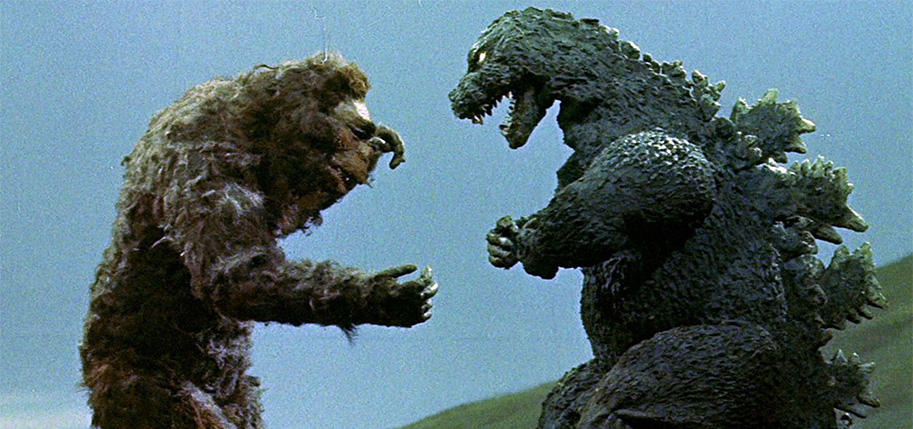
The third Godzilla movie takes a wild leap from the black-and-white, serious takes of the first two, pitting him against another one of the most popular giant monsters to ever rampage across the big screen. This monster clash is as silly as it can be when it gets the chance. It’s not perfect – for example, Kong looks like a Cabbage Patch doll covered in fur and then thrown in the microwave – but the negatives are outweighed by how entertaining the movie is. It embraces the fun of the concept of pitting these two famous characters against each other. Kids were going to want to see these monsters duke it out, and this movie is playing to the kids (of all ages) in the audience. It was also made to mark the 30th anniversary of Toho, and truly feels like a celebration. The fighting is bonkers, and scenes with humans trying to get Kong from Point A to Point B are just so, and it signaled Godzilla’s path into his future of zaniness.
1. Godzilla (1954)
- Release Year: 1954
- Director: Ishirō Honda
- Box Office: Massive Japanese box office success
- Critical Scores: Rotten Tomatoes ~93%; universally acclaimed classic
- Continuity Label: Original Showa Era starting point
- Major Kaiju Appearances: Godzilla
- Cultural Legacy Summary: Established the kaiju genre and remains one of cinema’s most important nuclear allegories and monster films.
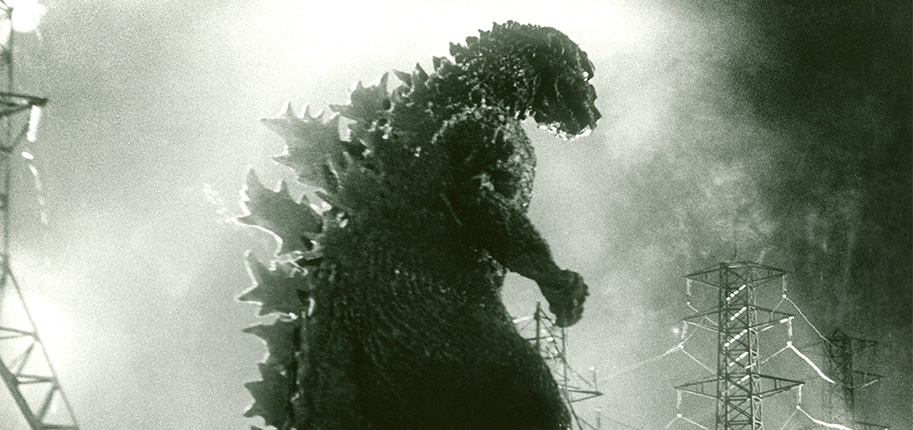
Was there ever any doubt as you scrolled through the list? Of course not. The 1954 classic, the original Godzilla, stands tall not only because it’s the first, but because as more sequels came out that defined the series as kaiju fights with simplistic stories everything that made this first outing great stands out even more. The storytelling and rich thematic elements are more palpable; the visuals and action, though cheap, have layers of fear and doom that give them more weight. As the series got more colorful, louder and hammier (and all about keeping that cash train flowing) the original manages to stand out from the pack completely unscathed, and even looks better with age, solidifying it as the true king of them all, topping the list of our Godzilla movies ranked.
From the haunting nuclear allegory of Godzilla (1954) to the blockbuster spectacle of Godzilla vs. Kong (2021), the King of the Monsters has continually evolved while remaining one of cinema’s most enduring icons. Whether you prefer the serious themes of the early Showa films, the colorful monster battles of the late Showa era, or the modern scale of the MonsterVerse, each movie reflects a different chapter in Godzilla’s remarkable history.
Frequently Asked Questions About the Showa Era and American Godzilla Movies
What is the Showa Era of Godzilla?
The Showa Era is the original run of Godzilla films produced by Toho between 1954 and 1975. Beginning with Godzilla (1954) and ending with Terror of Mechagodzilla (1975), the era introduced many of the franchise’s most iconic monsters, including Mothra, Rodan, King Ghidorah, and Mechagodzilla.
What is the best Godzilla movie in the Showa Era?
According to this ranking, Godzilla (1954) remains the best Showa-era film and the greatest Godzilla movie overall, thanks to its powerful themes, groundbreaking effects, and lasting cultural impact.
What is the worst Godzilla movie in the Showa Era?
Among the Showa films included here, Godzilla vs. Megalon (1973) ranks lowest. While it has developed a cult following over the years, it is often criticized for its simplistic story and overtly child-oriented approach.
Which Showa Godzilla movie introduced King Ghidorah?
Ghidorah, the Three-Headed Monster (1964) introduced King Ghidorah, who would go on to become Godzilla’s most famous recurring enemy.
Which Showa Godzilla movie introduced Mechagodzilla?
Godzilla vs. Mechagodzilla (1974) marked the debut of Mechagodzilla, one of the franchise’s most popular villains.
Which Showa Godzilla movie introduced Mothra into the Godzilla series?
Mothra vs. Godzilla (1964) was the first Godzilla film to feature Mothra, following her debut in Toho’s standalone Mothra (1961).
Are the American Godzilla movies included in this ranking?
Yes. In addition to the Showa-era films, this ranking also includes the American productions Godzilla (1998), Godzilla (2014), Godzilla: King of the Monsters (2019), and Godzilla vs. Kong (2021).
Why aren’t Heisei, Millennium, and Reiwa Godzilla films included?
This ranking focuses exclusively on the original Showa-era movies and the American live-action adaptations. Later Japanese eras such as Heisei (1984–1995), Millennium (1999–2004), and Reiwa (2016–present) are not included.
How many Showa-era Godzilla movies are there?
There are 15 Godzilla films in the Showa Era, released between 1954 and 1975. This ranking includes all 15 Showa-era entries alongside four American-produced Godzilla films.
What is the best American Godzilla movie?
According to this ranking, Godzilla vs. Kong (2021) is the highest-ranked American-produced Godzilla film. Its large-scale monster battles, crowd-pleasing action, and inclusion of Mechagodzilla helped it outperform the other Hollywood adaptations included on this list.







The comment section exists to allow readers to discuss the article constructively and respectfully, focused on the topic at hand.
What’s Not Allowed